Sony has announced that AI‑assisted upscaling is officially coming to the standard PS5, expanding the console’s visual toolset beyond the PS5 Pro. The update introduces Quick Spectral Super Resolution, a lighter version of the PSSR upscaler used on the Pro, and two first‑party titles are already implementing it. Sony says the goal is to bring more stable image reconstruction and cleaner detail to the base hardware, but early impressions suggest the upgrade may be difficult for most players to notice.
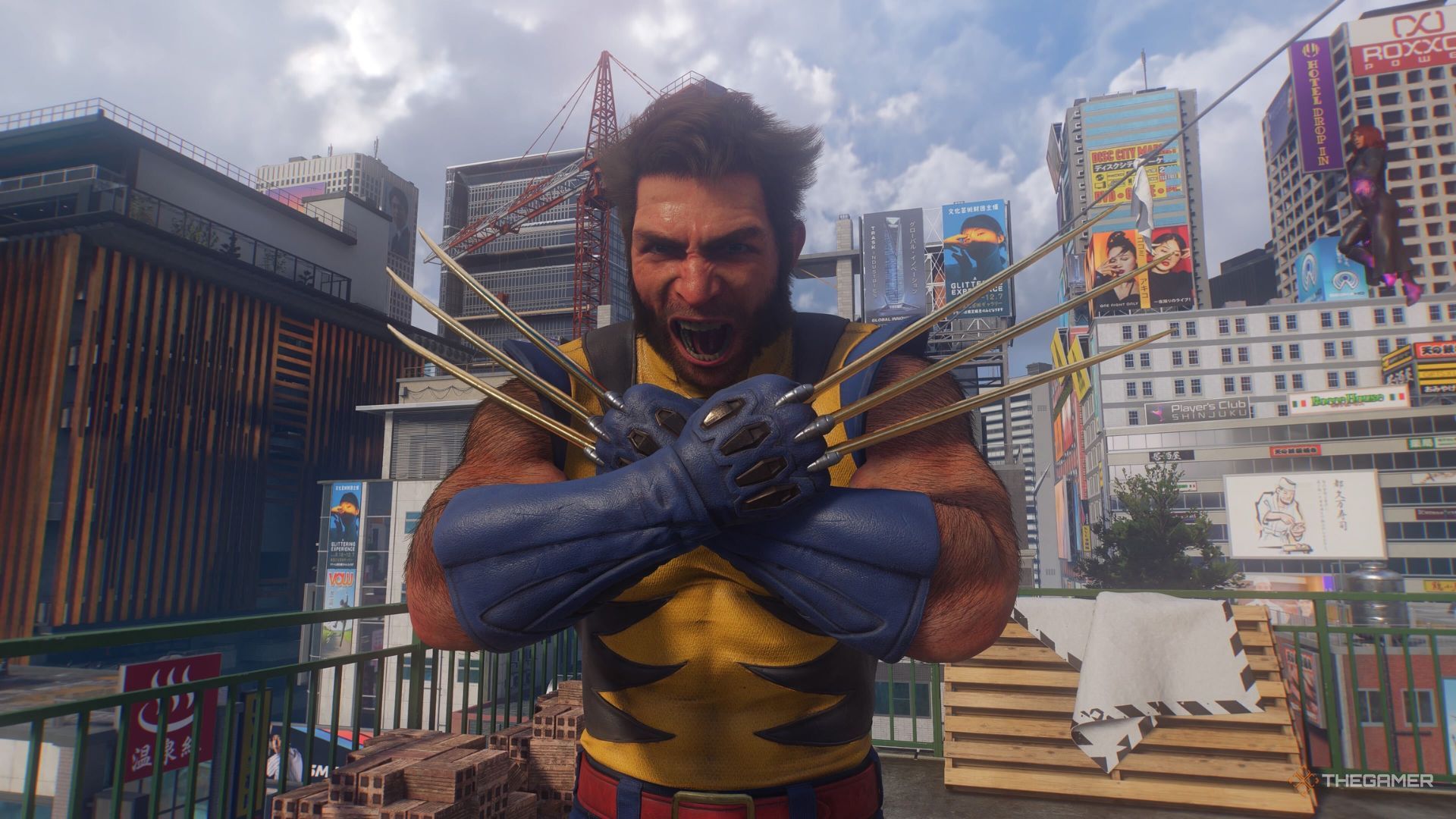
The difference between traditional upscaling and QSSR is almost invisible unless you zoom in quite far. In normal gameplay, the improvements are so subtle that they barely register. That makes evaluating and comparisons of the feature tricky, especially when the gains are small enough that only pixel‑level analysis can reveal them. Right now, the only two games supporting the feature are Marvel's Wolverine and Ghost of Yotei.
The rollout also comes with some understandable skepticism. System‑level visual updates on PlayStation have a history of breaking games, sometimes in ways that take months to fix, if at all. Silent Hill 2 is one of the most recent examples. After receiving updated upscaling support, players reported severe lighting inconsistencies, shimmering, unstable shadows, and other visual artifacts that were not present before. These issues were widespread enough that many fans recommended avoiding the update or playing on a base PS5 until patches arrived (they never have).
Other games have fared better. Star Wars Jedi: Survivor is a title that benefits from Sony’s upscaling pipeline, delivering a smoother and more stable experience on PS5 than on PC. Frame generation and DLSS remain inconsistent on PC, while the PS5 version manages to avoid many of the visual hiccups that plague the PC release. Which means, that when developers understand how to work with Sony’s upscaling tools, the results can be genuinely impressive.
Even so, QSSR is not a guaranteed improvement. It will be a case‑by‑case situation, and that evaluation becomes harder when the differences are negligible. Developers will need time to learn how to integrate QSSR without relying on it as a band‑aid for poor optimization. If studios treat it as a complementary tool rather than a shortcut, QSSR could help stabilize image quality on the base PS5. If not, it risks becoming another feature that looks good in patch notes but barely changes the experience for players.
Sony’s continual updates to rely on AI for upscaling is ambitious, but its real impact will depend on how developers choose to use it. For now, QSSR is an interesting addition that may take time before players see meaningful results.


سەرچاوەی فەرمی بە زمانی ئینگلیزی: https://www.thegamer.com/ps5-adds-ai-upscaling-good-luck-seeing-a-difference/