
Full spoilers follow for VisionQuest Episodes 5 & 6, which are streaming now on Disney+.
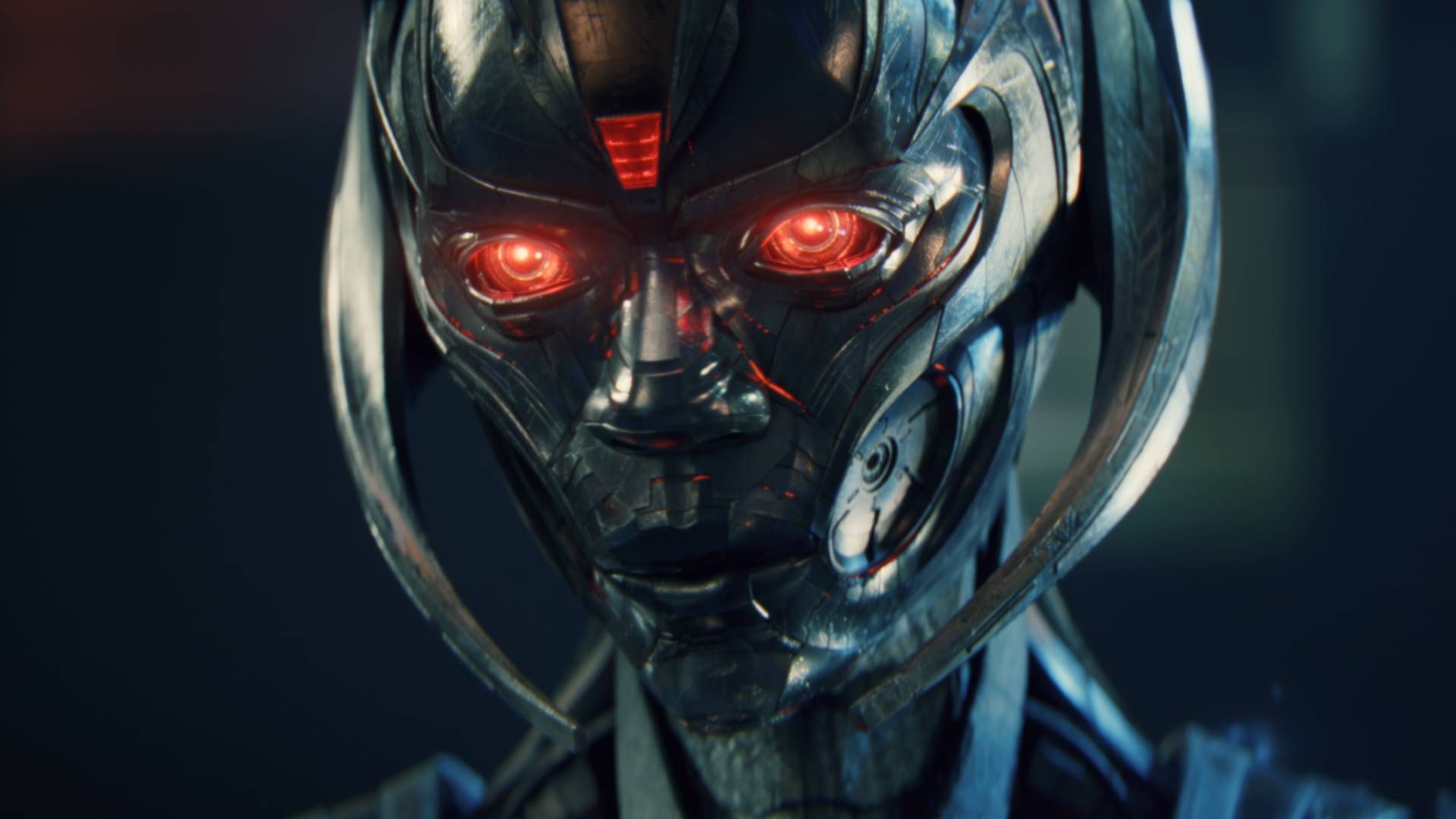
At this point, I'm fully on board with VisionQuest and the story of robotic reinvention it's telling. But as compelling as Paul Bettany's White Vision is, he's small potatoes compared to the series' real star, James Spader's Ultron. Episodes 5 and 6 go all-in with Ultron and his romantic obsession with the fair robo-lady Jocasta (T'Nia Miller), and the results are pretty darned impressive.
That's especially true of Episode 5, which is definitely the high point for VisionQuest so far. This one kinda, sorta takes the form of a bottle episode, as Vision and his fellow A.I. units find themselves locked in Ultron's attic prison and forced to observe his machinations from afar. This episode is cleverly constructed in how it presents bits and pieces of Ultron's conversations from different vantage points while still leaving the character's true motivations somewhat shrouded in mystery. As ever, the series gets a lot of mileage out of conveying complex digital processes through very hokey, analog representations. See also - the exorcism scene from Episode 4.
Visually, Episode 5 is a real treat. I really enjoyed the transitions between grainy video footage and more elaborately staged black-and-white environments. There's a very cozy feel to Ultron's conversations with Tommy (Ruaridh Mollica) and Jocasta that serves to highlight the dialogue and the tense back-and-forth. Having Vision and his full-color comrades patrolling in the background only makes the whole effect work that much better. It's almost like watching a well-choreographed stage play unfold.
Ultimately, though, it all comes down to the terrific chemistry between Spader and Miller. Sure, the earlier Tommy/Ultron conversation is strong, but even that can't hold a candle to the pure scenery-chewing fun of watching Ultron and Jocasta take each other's measure. Miller is able to bring a whole new level of nuance and charm to her role in this more human form, and she expertly matches Spader's gravelly blend of menance and good humor. I almost didn't want their exchange to end, but at least that element carries over into Episode 6.
Both the Ultron/Tommy and Ultron/Jocasta scenes do a fantastic job of exploring the troubled psychology of this maladjusted creation of Tony Stark and Bruce Banner. Tommy cuts right to the heart of the matter when he accuses Ultron of failing to understand connection. Yet paired with Jocasta, Ultron feels the pull anyway. He was already a fascinating villain in his original cinematic appearance, but the series has found newer and more complex layers to delve into. And now, though his intentions are entirely self-serving, he's no longer so clear-cut an antagonist.
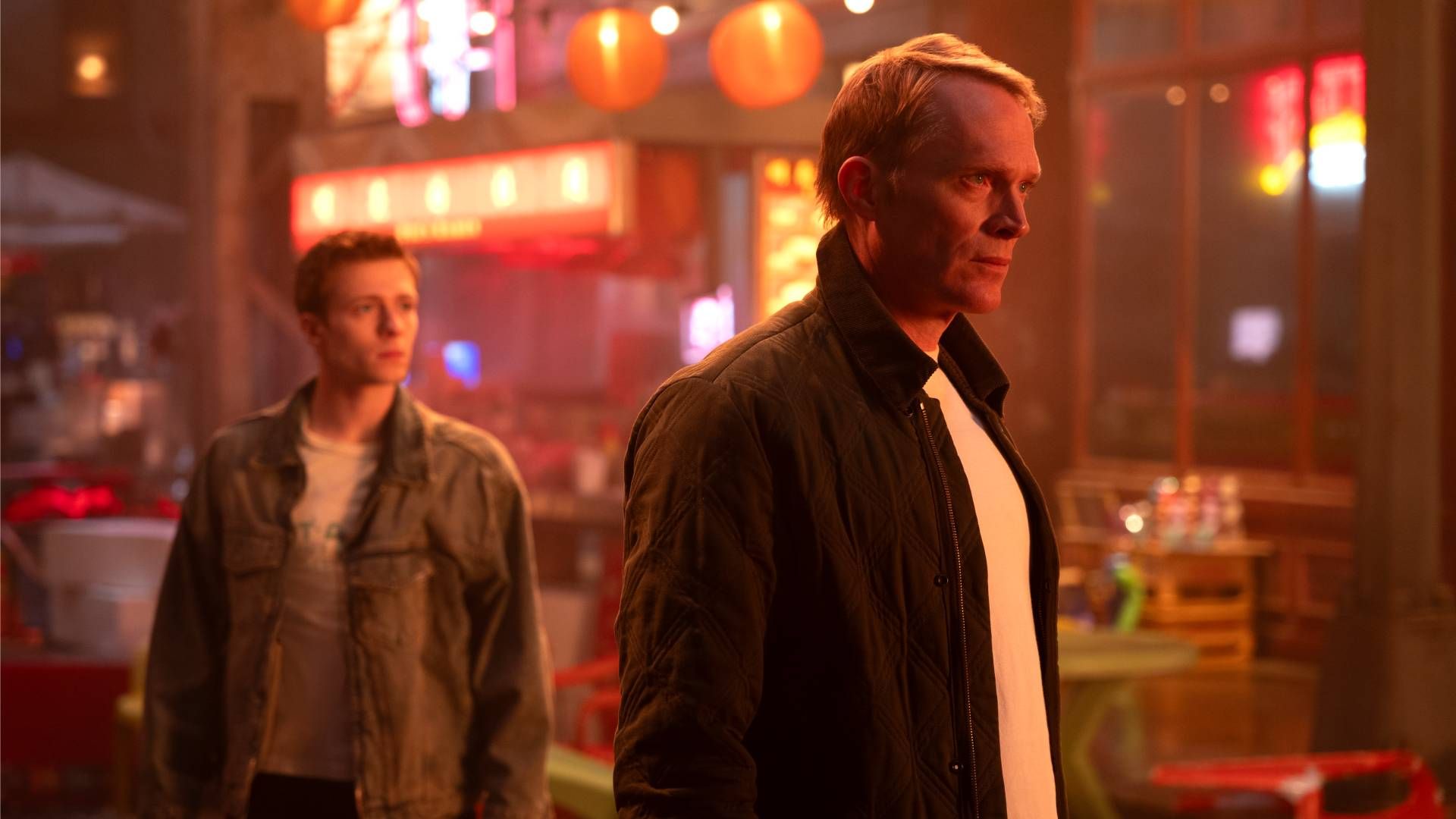
Given how enthralling Episode 5 is, it should come as no surprise that Episode 6 is a bit of a comedown in comparison. After a bottle episode spent in purely digital space, it's a slight adjustment getting used to a more real-world conflict and the return of Paladin (Todd Stashwick). Part of me would be just as happy to see that character shuffled offstage, but Episode 6 does eventually justify his return. There's a fun little standoff between Vision and Paladin that unexpectedly leads to the two enemies becoming temporary allies, and the reveal that the Handler (Diane Morgan) is herself an oppressed AI unit is an amusing twist (as is the MCU origin of Tommy's Speed codename).
What this episode doesn't quite justify, however, is the sudden and inexplicable return of Faran Tahir's Raza. On some level, it's sort of neat seeing the very first MCU bad guy putting in an appearance nearly 20 years later, but why dust off that old chestnut in an Iron Man-free context? The character doesn't serve any particular purpose beyond providing Vision and Paladin with the necessary goons to battle, and he's taken out of the picture as suddenly as he appears. It comes across as continuity mining for the sake of continuity mining.
سەرچاوەی فەرمی بە زمانی ئینگلیزی: https://www.ign.com/articles/marvels-visionquest-episodes-5-6-recap-and-review