مادی بەشداربووە لە DualShockers کە JRPGs، ترسناکییەکانی مانەوە، یارییەکانی ئارکێد، یاریکردنی ڕیتڕۆ، تەقەکەر و تایبەتمەندییەکان دەگرێتەوە. لە ساڵی ٢٠١١ەوە بە شێوەیەکی پیشەیی لەسەر یارییەکان دەنووسێت، زیاتر لە دە ساڵ ئەزموونی هەیە لە سەرانسەری لیستەکان، پێداچوونەوەکان، ڕێنماییەکان و ڕۆژنامەگەری یارییەکان.
As time ran out on the fifth-generation of video game consoles, an even more exciting lineup of hardware was poised to bring the industry into an entirely new, seemingly unpredictable era. The 2000s were already shaping up to be phenomenal, and that was especially true if you were waiting patiently for the launch of the PlayStation 2.
Growing up during the era of the original PlayStation was something truly special, as you saw a mix of well-established franchises getting next-gen upgrades, as well as new, original IPs coming to fruition. That trend continued well into the PS2 era, but while Sony's first console was home to some incredible sequels, a few games opted to skip the current generation of PlayStation and go right to the sixth-generation to produce a sequel.
Many PS1 games, including several Sony-developed first-party exclusives, saw the next entry bypass the original hardware altogether. The allure of higher polygon counts and larger, more detailed environments was just too tantalizing to pass up, so there were quite a few PS1 games that had sequels go directly to Sony's next-gen powerhouse.

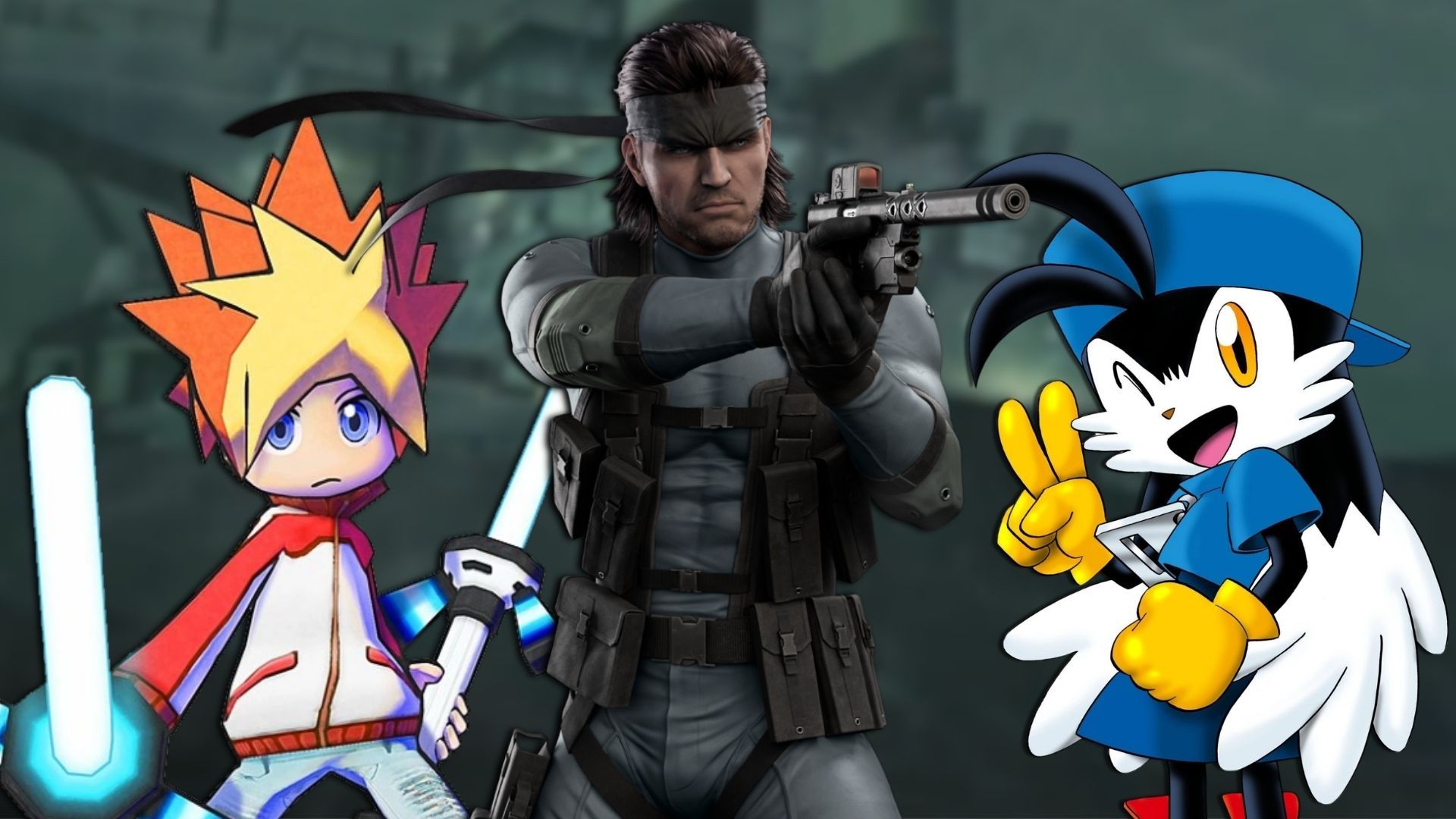
When you think of platformers that made an impact in the 1990s, a few obvious ones spring to mind. The likes of Super Mario 64 and Banjo-Kazooie are well documented, but Klonoa: Door to Phantomile was able to compete with the heavy hitters, cultivating its own dedicated fanbase.
It wasn't as groundbreaking or innovative as those titles, but it's still one of the absolute best platformers of the 1990s. The first Klonoa game launched on PS1 in 1998, but a full-fledged sequel wouldn't come to fruition until three years later.
Klonoa 2: Lunatea's Veil hit the PS2 in July 2001, and was even better than the original. The environments were far more detailed, Klonoa's animations were incredible, and the team really found a way to hone in on the first game's impeccable art style. It was also an early entry in the PS2 library, and was just a sample of what was possible with the new hardware.

Sony's outright refusal to do a new Ape Escape game is genuinely baffling. There's clearly a market for this type of experience, and that was never more true than when the original Ape Escape launched on the PS1 in 1999.


سەرچاوەی فەرمی بە زمانی ئینگلیزی: https://www.dualshockers.com/ps1-games-with-big-budget-ps2-sequels/