مادی بەشداربووە لە DualShockers کە JRPGs، ترسناکییەکانی مانەوە، یارییەکانی ئارکێد، یاریکردنی ڕیتڕۆ، تەقەکەر و تایبەتمەندییەکان دەگرێتەوە. لە ساڵی ٢٠١١ەوە بە شێوەیەکی پیشەیی لەسەر یارییەکان دەنووسێت، زیاتر لە دە ساڵ ئەزموونی هەیە لە سەرانسەری لیستەکان، پێداچوونەوەکان، ڕێنماییەکان و ڕۆژنامەگەری یارییەکان.
The growth and popularity of the video game industry has been a fascinating one to watch. We've seen our little hobby grow from just that, a hobby, into one of the most successful forms of entertainment in the entire world.
Success in any entertainment medium means competition, and it's that competition which has spawned some of the most intense, heated company rivalries of all time. One of the most fascinating ones is the conflict between Sony and Nintendo, two companies that seem ambivalent to each other today, but were fierce rivals back in the 1990s and early 2000s.
That rivalry was a unique one, however, as the two Japanese giants went from the best of friends to the most bitter of enemies. It's a strange, twisted tale of betrayal and compelling Japanese business culture gone awry, leading to the creation of one of the most lush video game landscapes we've ever seen.

Back in the 1980s, Nintendo and Sony were at the top of their respective fields. Nintendo had cornered the North American home console market with the NES following the 1983 crash, and Sony was raking in mountains of cash through their cutting-edge audio devices like the Walkman and high-end televisions. The two of them coming together was something of a dream.
It was two tech goliaths using all their combined power for the greater good, and in the late 1980s, they came together for a project that would use both of their strengths. Sony had already shown interest in entering the video game market in some form, and when the opportunity to work with Nintendo came up, they jumped at the idea.

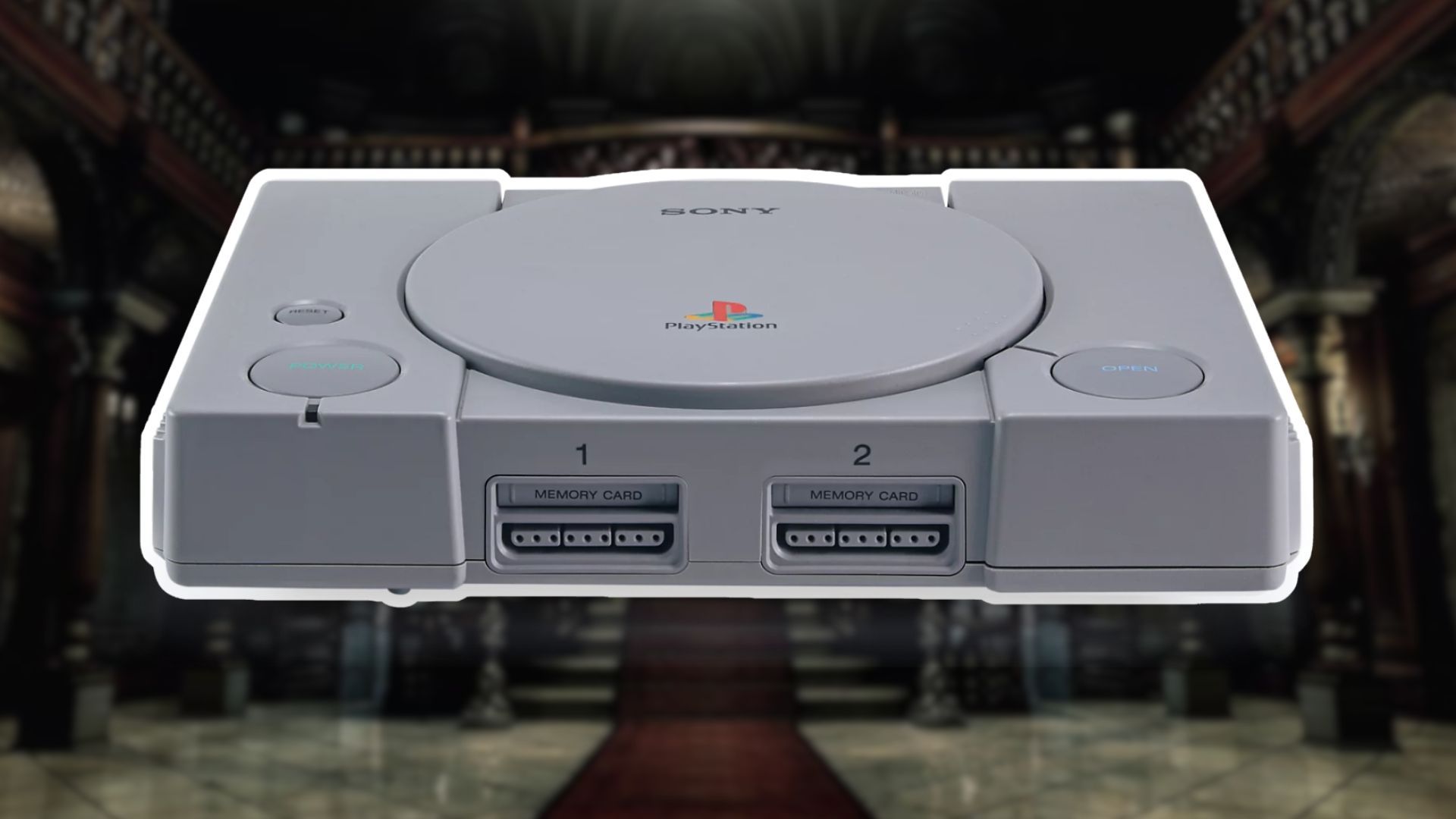
Nintendo's desire to compete with rival Sega prompted them to look for ways to improve the SNES, contracting Sony to create a CD add-on for the console. There was no Japanese company that had a better understanding of CD technology than Sony. Nintendo was keenly aware of that, as they had already used Sony's SPC-700 sound chips for the SNES.
The CD add-on for the SNES was known as the Play Station. Note the space between Play and Station, a part of this whole story that is perhaps one of its most amusing tidbits. It was set to be announced at the Consumer Electronics Show in 1991.


سەرچاوەی فەرمی بە زمانی ئینگلیزی: https://www.dualshockers.com/friends-to-enemies-the-strange-tale-of-how-playstation-1-was-born/