Since 1996, Resident Evil has been scaring people around the world. The games have mastered the art of tension over the last 30 years, making players jump out of their seats at the sight of infected crows, dogs, or the terrifying Nemesis. Creators like Shinji Mikami and Koshi Nakanishi achieved this by borrowing from Hollywood's scariest films, from zombie classics like Dawn of the Dead to slashers such as The Texas Chain Saw Massacre.
The creators of Resident Evil have had no problem drawing inspiration from the big screen, yet Hollywood has spent decades struggling to replicate the series. Director Paul W.S. Anderson's Resident Evil movies were commercially successful, but took huge liberties with the source material, while leaning more on action versus horror elements. Johannes Roberts tried to deliver a more authentic take on the property with Resident Evil: Welcome to Raccoon City, but the movie was far more campy than it was scary. Following the success of Barbarian and Weapons, director Zach Cregger has now delivered the first great Resident Evil movie, offering both authenticity and genuine scares.

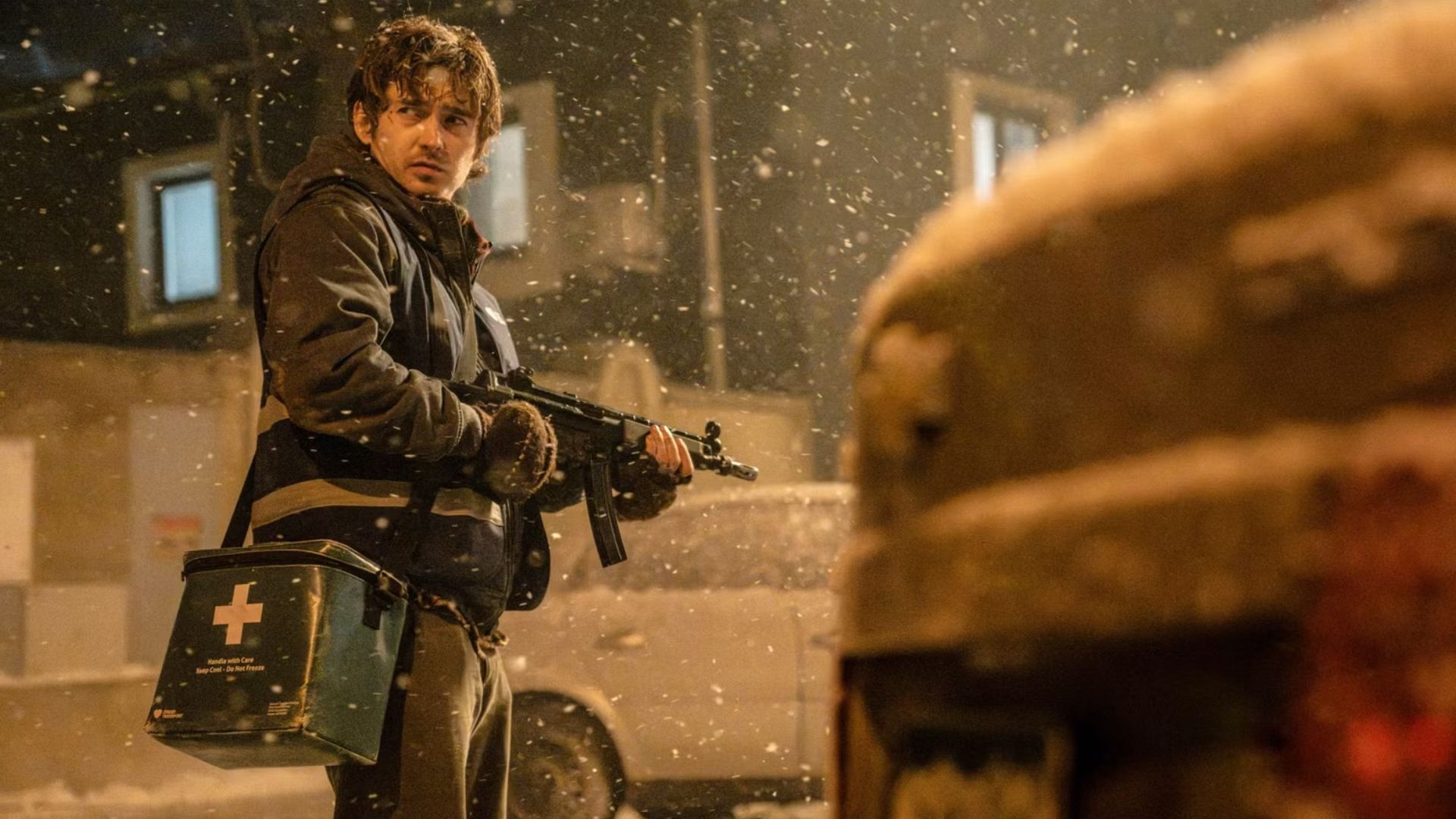
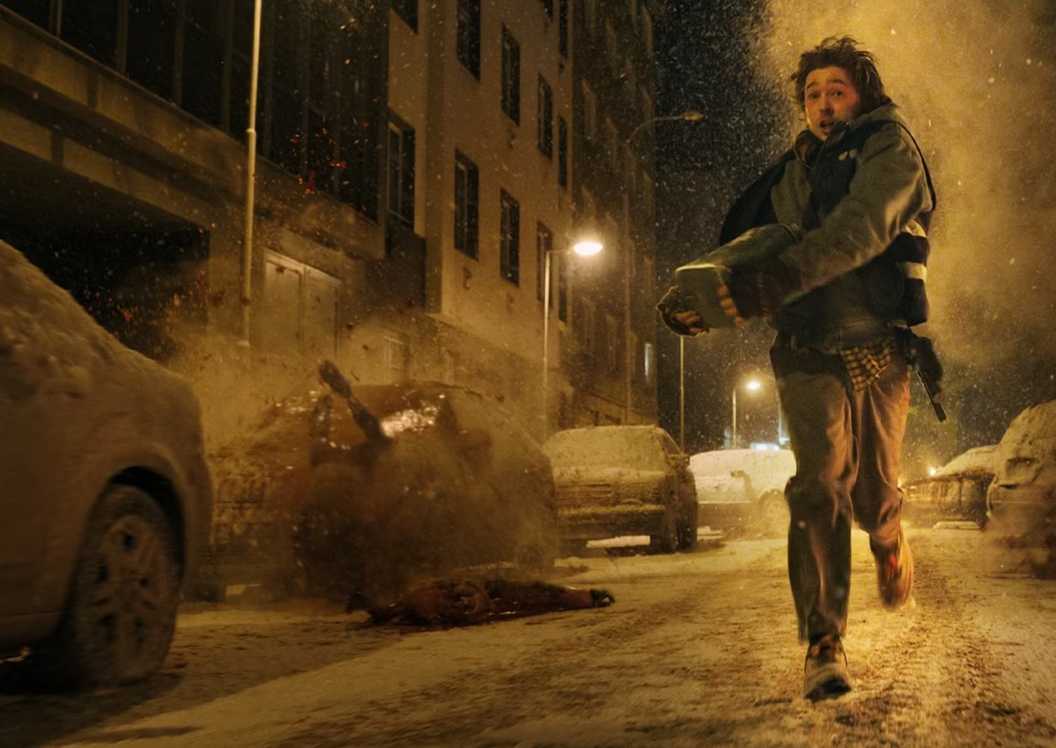
Like Paul W.S. Anderson's films, the new Resident Evil follows an original protagonist not seen in the Capcom games. The movie opens with Bryan Hodukavich (Austin Abrams), a medical courier tasked with delivering an important package to Raccoon City. Unknown to Bryan, Raccoon City is in the midst of the T-Virus outbreak detailed in the Resident Evil 2 video game. As he makes his way to the city in the middle of a snowy night, Bryan begins to encounter terrors that are all-too-familiar for fans of the franchise.
Cregger deftly uses Bryan to deliver an experience that feels like playing a Resident Evil video game. Characters like Chris Redfield, Jill Valentine, and Leon S. Kennedy all start out in the games with at least some experience and background handling weapons. Like a player sitting down with their first Resident Evil game, Bryan has no idea what he's doing. The moment he encounters his first zombie, there's a mix of humor and tension, as he struggles to figure out how different weapons work just to stay alive. And like a video game, the threats become bigger and more intimidating as he makes his way towards the film's "end boss."
Video game adaptations often struggle because they miss the small details that players love about the source material. Resident Evil feels like a love letter written by someone who has a deep appreciation for Capcom's games and the elements that have been there from the earliest days. Cregger includes so many small details designed to appeal to players, even adhering to the logic of that world. There are locks that need keys with specific designs, abandoned locations filled with gross food, and there's even a quiet area with a typewriter Bryan finds moments before entering a different room filled with terrors. These elements lend Resident Evil an air of authenticity, even when it deviates from the games that inspired it.

While Resident Evil is faithful to the source material, Cregger makes some notable changes. For one thing, the movie features a Raccoon City covered in snow, and Bryan can be seen using a smartphone, despite Resident Evil 2 being set firmly in 1998 (the movie avoids committing to a specific year). These changes aren't just arbitrary, though, as they make sense from a narrative perspective. The sound of perfectly crunching snow adds to the sense of isolation, which has always been a key part of the games. The inclusion of a smartphone builds the tension early, giving Bryan his first hint that something disturbing is happening in Raccoon City. It's also used to establish the character's backstory with his girlfriend Michelle, without resorting to flashbacks that would slow down the movie's breakneck pace.
Callbacks to video games are great for established fans, but Resident Evil works as a standalone horror movie. Like the games before it, Resident Evil borrows from the best zombie movies and would be just as enjoyable even if all the familiar video game elements were stripped away. In a way, it's the antithesis of a franchise film, let alone a reboot. In a year when horror movies like Buddy and Backrooms seem designed to establish lore, set up sequels, and sell merchandise at Spirit Halloween, Resident Evil is very unusual. It simply exists in its own space, just like Cregger's previous movies.
Cregger's knowledge of the horror genre makes all of this possible. The DNA of Barbarian and Weapons can be felt throughout, and Resident Evil feels like his scariest movie as a result. The director's previous films largely hinged on plot twists and dramatic changes between lead characters, but Resident Evil never veers from Bryan's quest to reach Raccoon City General. In that regard, the movie feels like a statement from Cregger. While M. Night Shyamalan struggled to make a straightforward horror movie after the twin twists in The Sixth Sense and Unbreakable, Cregger seems incredibly comfortable doing just that.

سەرچاوەی فەرمی بە زمانی ئینگلیزی: https://gamerant.com/resident-evil-review/