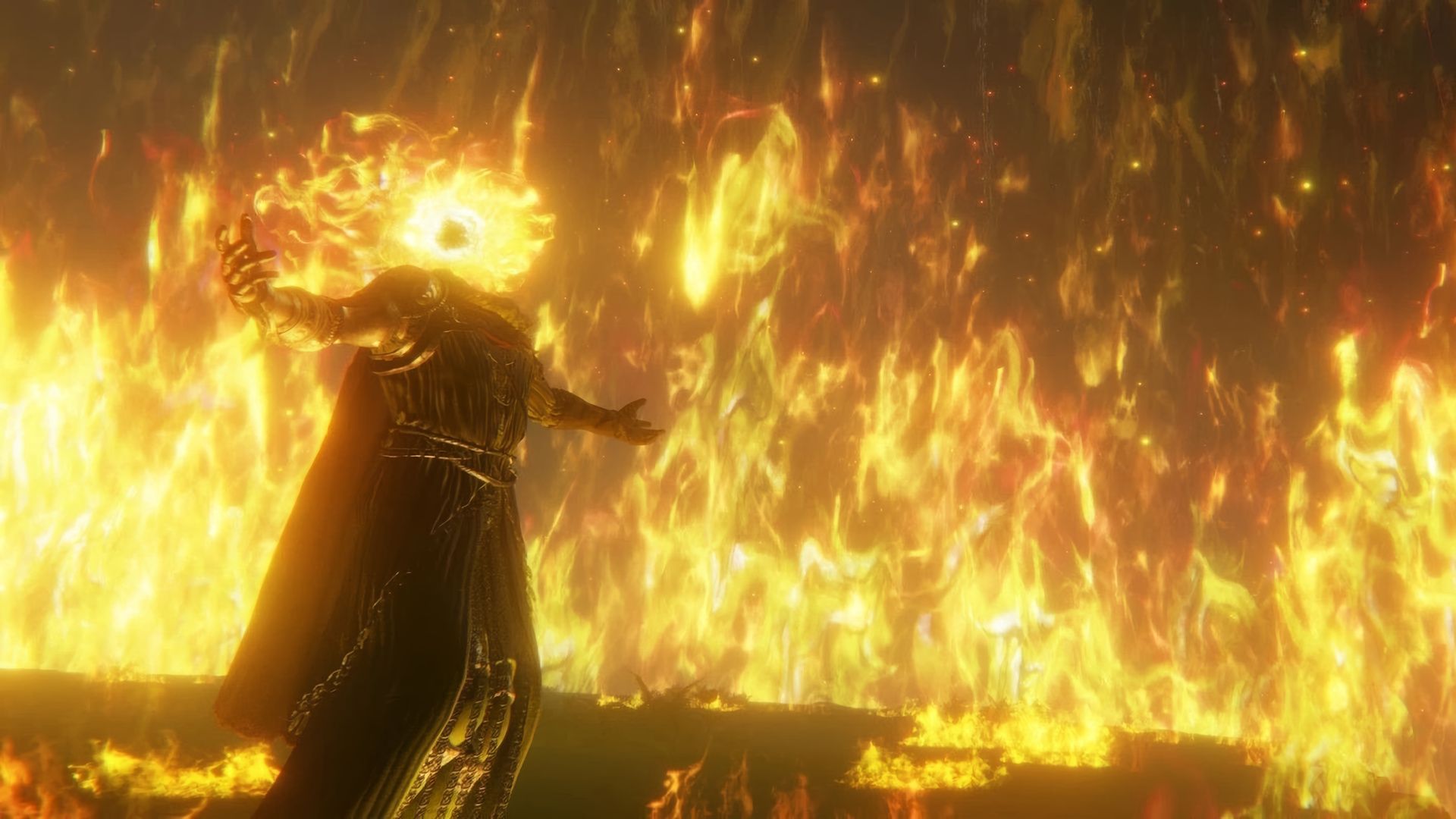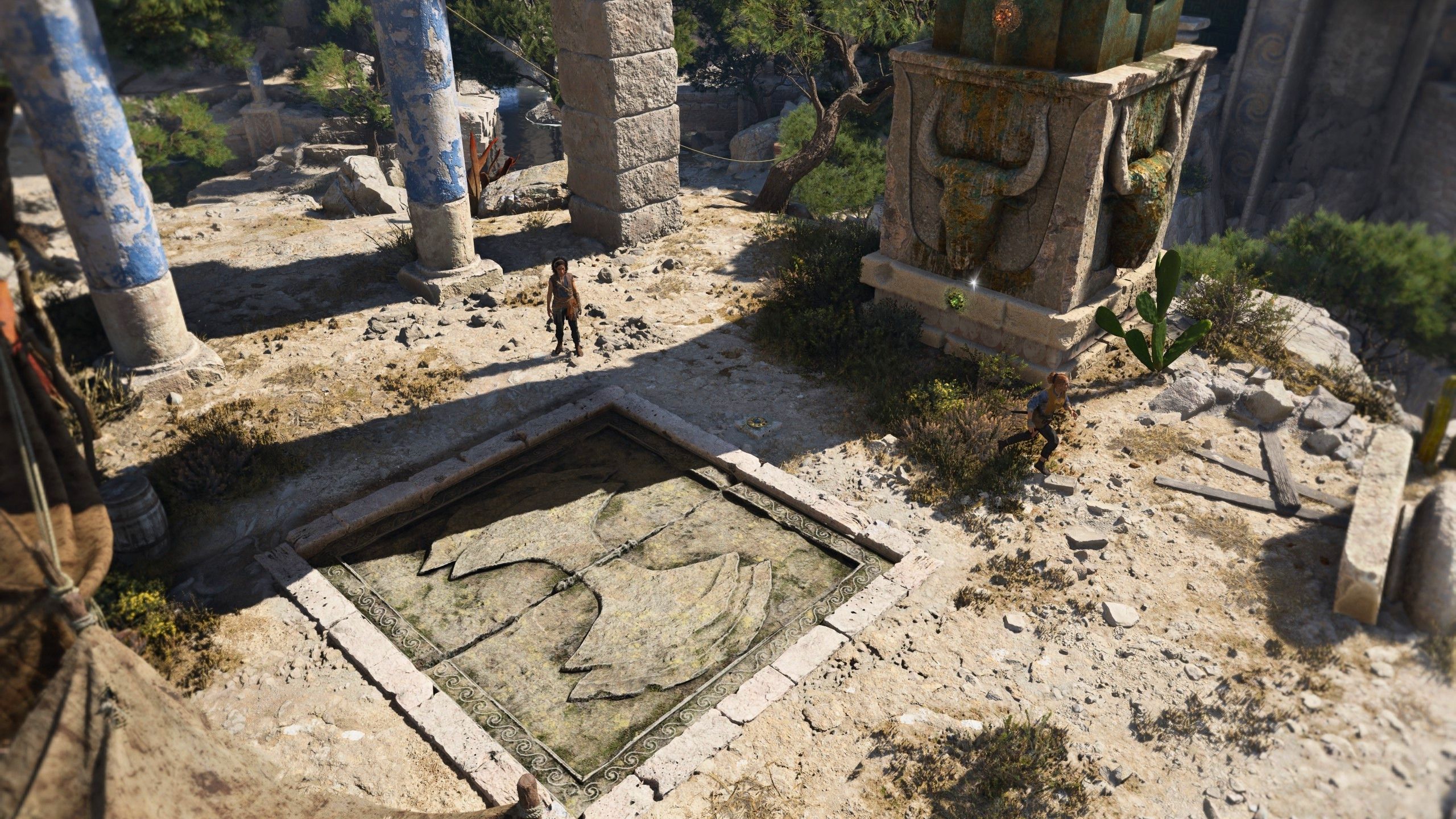
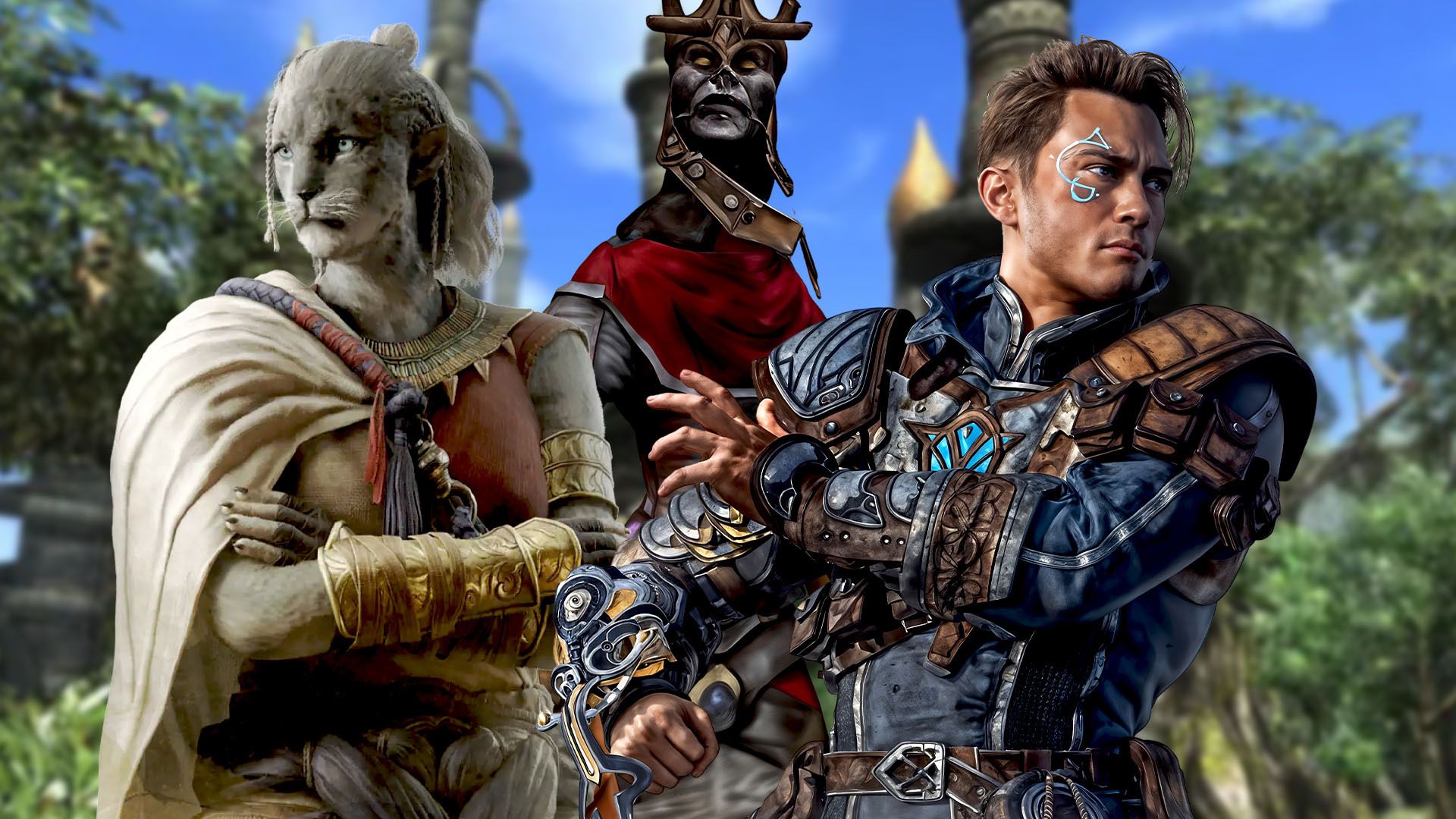
There are multiple subgenres of fantasy, but by far the most popular and well-known is high fantasy. From The Lord of the Rings to Brandon Sanderson's many works, high fantasy is widespread and well-loved, even among those who wouldn't consider themselves fantasy "fans."
When it comes to gaming, the same is true: most fantasy games take place in high fantasy worlds rather than our own. They feature magic and monsters, a grand scale, and epic stakes. Speaking of magic, many of these high fantasy games also feature detailed magic systems, but they aren't all created equal. The following high fantasy games do magic right, showcasing the potential for player creativity and visual spectacle when you have the tools at your fingertips to call devastating magic down upon your foes.
بەرگەکان ڕێکبخەرەوە بۆ ڕێزبەندی بڵاوکردنەوەی دروستی ئەمریکا.


There's high fantasy, and then there's high fantasy, and Immortals of Aveum is definitely the latter. As far as narrative and worldbuilding go, this is a game so steeped in its own lore that indecipherable terminology and ridiculous naming conventions are thrown at you in full force right from the outset, and you'll have almost no context with which to parse through them. Luckily, the combat is awesome, and that'll carry you through its 14-hour campaign.
Developed by a studio founded by an ex-Call of Duty dev, and by a team made up of former BioShock and Borderlands creatives, Immortals of Aveum is effectively a first-person shooter that uses magic instead of guns. You have spells that act as assault rifles, shotguns, and more, as well as a tether that lets you fly around the environment at absurd speeds. It's a bit like DOOM meets CoD meets Skyrim, and while the story is really only going to appeal to the most hardcore fans, the "gunplay" is a blast, steadily ramping up in complexity until you feel like an unstoppable warlock wiping out waves of enemies with ease.
Larian Studios is best known for Baldur's Gate 3, but when it comes to magic systems, Divinity: Original Sin 2 has the edge. Not that BG3's spellcasting is bad or anything, but DOS2 has the advantage of being untethered from the Dungeons and Dragons spellbook, allowing for some more expansive and spectacular magic.
You can use spells to affect and alter the terrain, just like in BG3, but in this case, you can also use them to alter the weather. Rain is one of the most potent abilities in the game because it soaks all your opponents, making them vulnerable to shock or freeze spells. You can also transform your enemies into chickens (granted, you can turn them into sheep in Baldur's Gate 3), or teleport them into traps you've set up ahead of time. These spells also work outside of combat, helping you solve puzzles or simply reach areas you couldn't otherwise.
Much like the first game, Dragon's Dogma 2 puts the "action" in action RPG. There are four classes, or "vocations," in the early game—Fighter, Archer, Thief, and Mage—and then six advanced vocations that branch out from those. While the melee-focused classes are fun and have attacks that land with glorious impact, the spectacle of being a magic user is second to none.
سەرچاوەی فەرمی بە زمانی ئینگلیزی: https://gamerant.com/high-fantasy-games-best-near-perfect-magic-systems/