
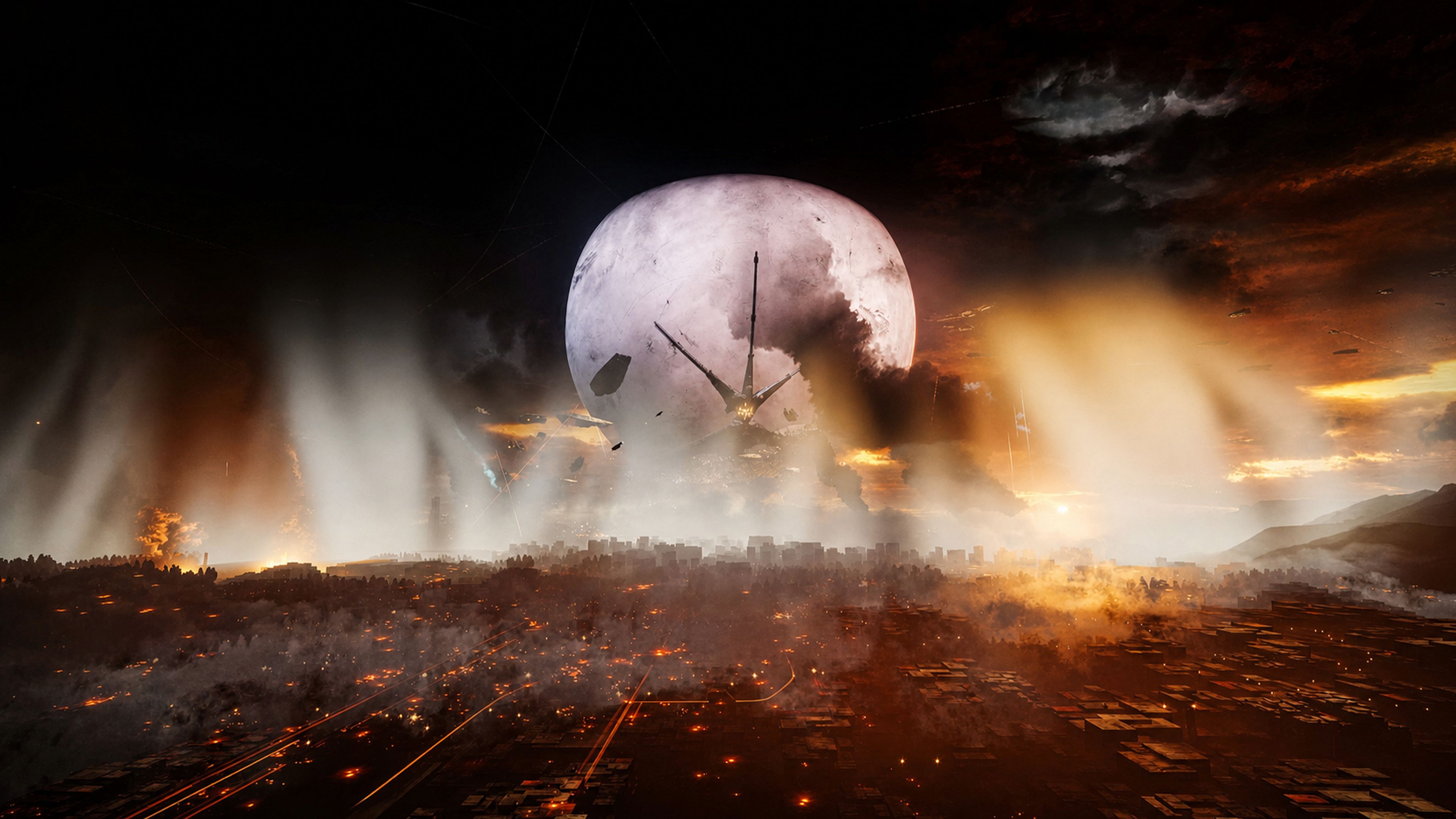
Destiny 2 is on its way back to the land of the living, and though it's starting ten steps back by bringing vaulted campaigns, destinations, and raids back to the game, Bungie has made it clear this is only the opening shot of a much larger volley. In a video and blog post published in mid-September, Studio Head Poria Torkan and Josh Deane, Bungie's Head of Product and General Manager of Marathon, committed to restoring the content the studio spent years removing, framing that work as the groundwork for whatever Destiny becomes next. It's a remarkable reversal for Destiny 2, which Bungie had sent off just a few months earlier with Monuments of Triumph, billed at the time as the game's final content update.
It's also the right move, one the community had already made for itself, with the fan-built Project Sunrise rebuilding Destiny 2's vaulted content since August. Still, restoring the past can only be a foundation, and as much as I want this comeback to work, what Bungie builds on top of it will matter far more than what it brings back. The good news is that Bungie seems to know that; the hard part will be proving it.


For context, the dreaded Destiny Content Vault was a Beyond Light era invention from 2020, pitched as a way to rein in Destiny 2's install size and make the game easier to keep updating. In practice, it pulled Mars, Mercury, and Io, the original Red War campaign, and raids like Leviathan out of the game, and it went on to swallow every campaign up through Forsaken. In their post, Torkan and Deane own that directly, admitting that pulling those experiences did long-term harm to the trust and enjoyment players got from Destiny.
Even hearing Bungie admit that this content never should have been removed in the first place was cathartic, so it tracks that repairing what was, for my money, Destiny 2's original sin—the decision that set the game on the long road to maintenance mode—is step one. But it's important to be clear about the terms here, as it's a step that can't carry the weight on its own. Its appeal mostly lands with existing players who remember this content or always wanted to see it. Beyond them, I'd wager the number of lapsed Guardians who'd reinstall Destiny 2 for a restored Red War campaign is fairly small.

It's also notable that Project Sunrise, a free, fan-made mod project that launched in August, has spent the last several weeks rebuilding vaulted locations on an older Destiny 2 client, progressing from empty maps to a fully playable Tree of Probabilities strike. As outside context, it does two things: it adds a layer of scrutiny to Bungie's announcement, since the official restoration will inevitably be measured against what a volunteer team pulled off in a matter of weeks. Yet, at the same time, Sunrise is the clearest proof yet that an audience wants this content back; even the project's team celebrated Bungie's news as something close to the best possible outcome.
If Bungie is going to find the success it wants (and quite possibly, needs) to sustain itself, unvaulting has to be one of many moves going forward. That's the tough part, though, especially if you take Bungie at its word about what this restoration involves. According to the studio, bringing the content back goes well beyond dropping old files into the game: everything that's changed since Beyond Light—lighting, encounters, combatants, underlying systems—all of these have to be reworked before these activities can hold up to how Destiny 2 plays today.
The "traditional" draw of a move like this is supposed to be ease of access, a relatively quick way to rebuild trust while bigger things take shape behind the scenes, so Bungie saying outright that the work will take time gives me pause. The workload looks heavier still in light of June's layoffs, which reportedly affected around 292 roles, most of them on the Destiny team. All that being said, it makes me wonder whether the size of the task was fully weighed against the window Bungie is trying to catch, especially given that nobody knows whether this plan came from Bungie's new leadership or from Sony higher ups.
Additionally, everything above hinges on what Bungie actually means when it talks about Destiny's future, and for now, the studio's language is doing a lot of heavy lifting. The Bungie post implied restoration was groundwork for something larger, in a line that captures both the promise and the problem in one breath: "When we look to the future of Destiny, all of this restoration is the first step to lay the foundation for how we reforge into new stories and games that you all deserve."
سەرچاوەی فەرمی بە زمانی ئینگلیزی: https://gamerant.com/destiny-2-unvaulted-content-bungie-future/