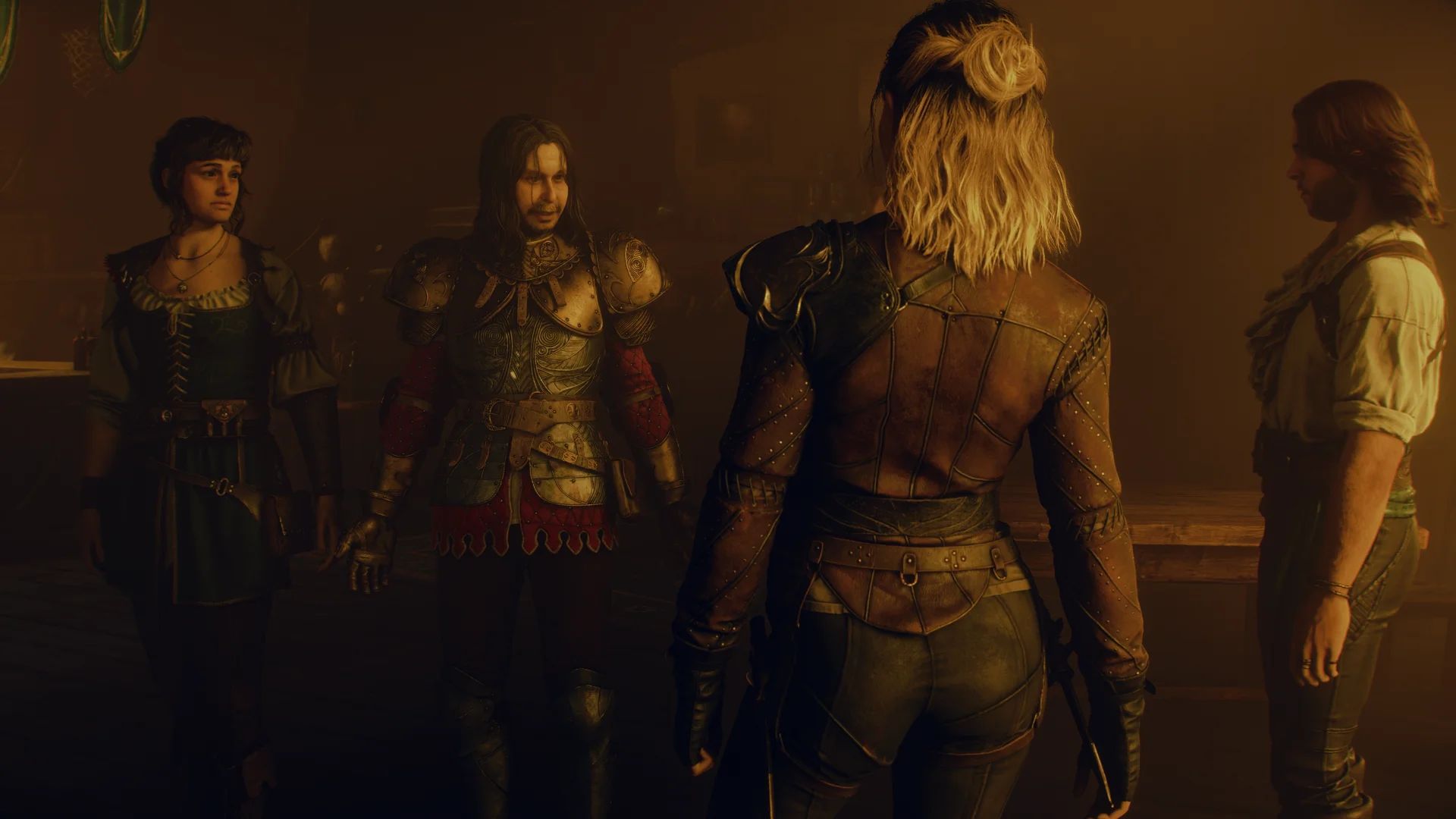
One of the more intriguing aspects of the upcoming Fable reboot is Playground Games' promise that it will contain a whopping 1,000 interactive NPCs. Large NPC counts aren't exactly unheard of in the world of open-world gaming, but in the case of this new Fable, every single one is handcrafted.
NPCs can pose a tough balancing act, from a game design perspective. In a linear action game like Uncharted, NPCs mostly serve as cannon fodder or, on the friendlier end of the spectrum, narrative devices; they're defined more by utility than by systems. But examine a big open-world RPG like Fable, with life/social simulation mechanics, and the purpose of non-player characters becomes much more complex and, when done right, rewarding. This is something that the original Fable trilogy did quite well, but we're in a new era now, and Playground Games would do well to approach NPC design with the rigor, ambition, and creativity that the times demand.
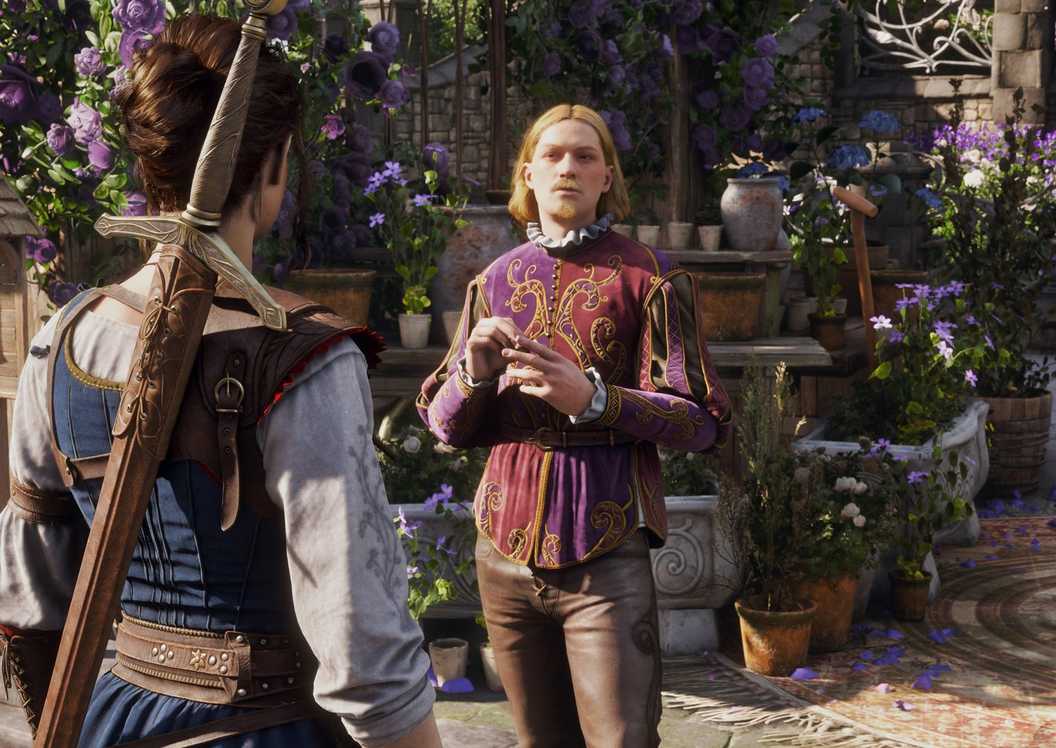


Thankfully, it would seem that embracing modern game design won't mean adopting excess automation. According to an interview GamesRadar conducted with Fable director Ralph Fulton, every Fable NPC is defined by a set of traits, all of which inform their relationships with the player-character. An example offered by Fulton is the "hard-working" trait: a hard-working NPC will boost profits at a player-owned business, making them more appealing to seek out and hire.
چوونەژوورەوە
بۆ ئەوەی ئیدیعای شوێنی خۆت بکەیت لەسەر لیدەربۆرد!
چوونەژوورەوە
بۆ ئەوەی ئیدیعای شوێنی خۆت بکەیت لەسەر لیدەربۆرد!
It bodes well that Playground Games apparently made the conscious decision not to procedurally generate its massive NPC population. According to Fulton:
"We individually picked everything about every NPC to make it into an NPC that you could read, that made sense top to bottom. We originally had a tool that would randomize it, and just 'roll' an NPC, and that would have been a massive labor-saving device. That would have saved us so much time, but what we found was, they just didn't make as much sense."
Fulton says that, with randomization, Fable's many characters wound up presenting an immersion-breaking debacle. They may have appearances that don't match their professions or dispositions (the GamesRadar piece mentions a "vegan butcher" as an example), or perhaps act in other unexpected, ineffective, or otherwise undesirable ways. To what extent such mismatches would have impacted the final product is unclear, but considering that Fulton describes ditching a "massive labor-saving device" just to avoid problems associated with randomization, we can assume that the impacts would have been significant.

سەرچاوەی فەرمی بە زمانی ئینگلیزی: https://gamerant.com/fable-handcrafted-npcs-procedural-generation-open-world-rpgs/