A long, beefy tactical RPG is only as good as its progression systems. Role-playing games in general often live or die on the back of how well they handle progression, but it's even more crucial for turn-based titles. Unlike, say, an action RPG, which challenges players' reaction time and quick-thinking skills, a turn-based game has to work with a slower, more methodical moment-to-moment gameplay process.
Turn-based RPGs require players to strategize, which is naturally far more satisfying when approached from a long-term view. In other words, build-crafting and preparation are what make a turn-based RPG satisfying in the end, as those concepts result in well-planned, efficient, creative, or fulfilling gameplay experiences. And in the case of tactical turn-based RPGs, which generally factor movement and positioning into the equation, strong build-crafting, leveling, and progression mechanics are even more impactful. The following titles demonstrate just that.


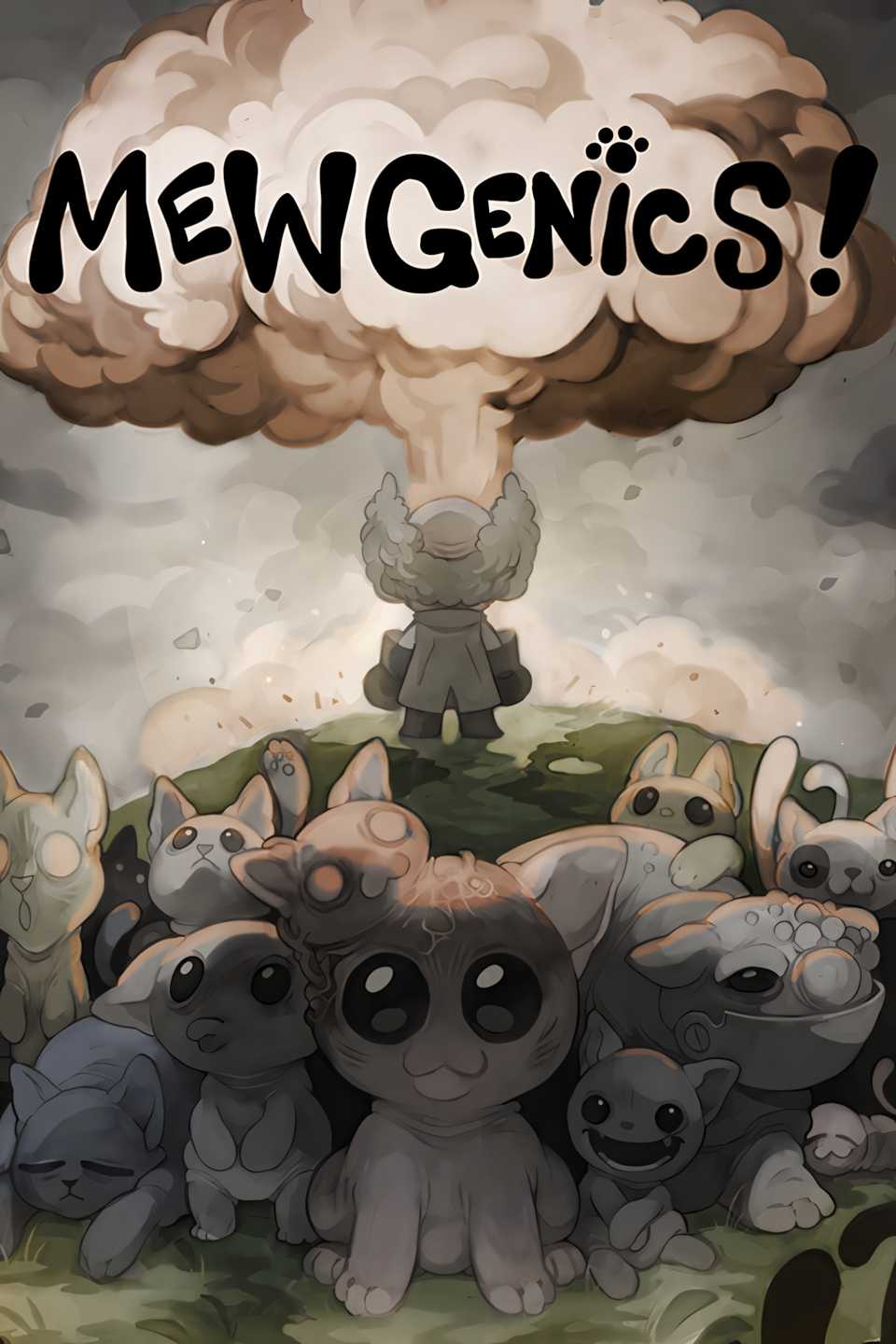
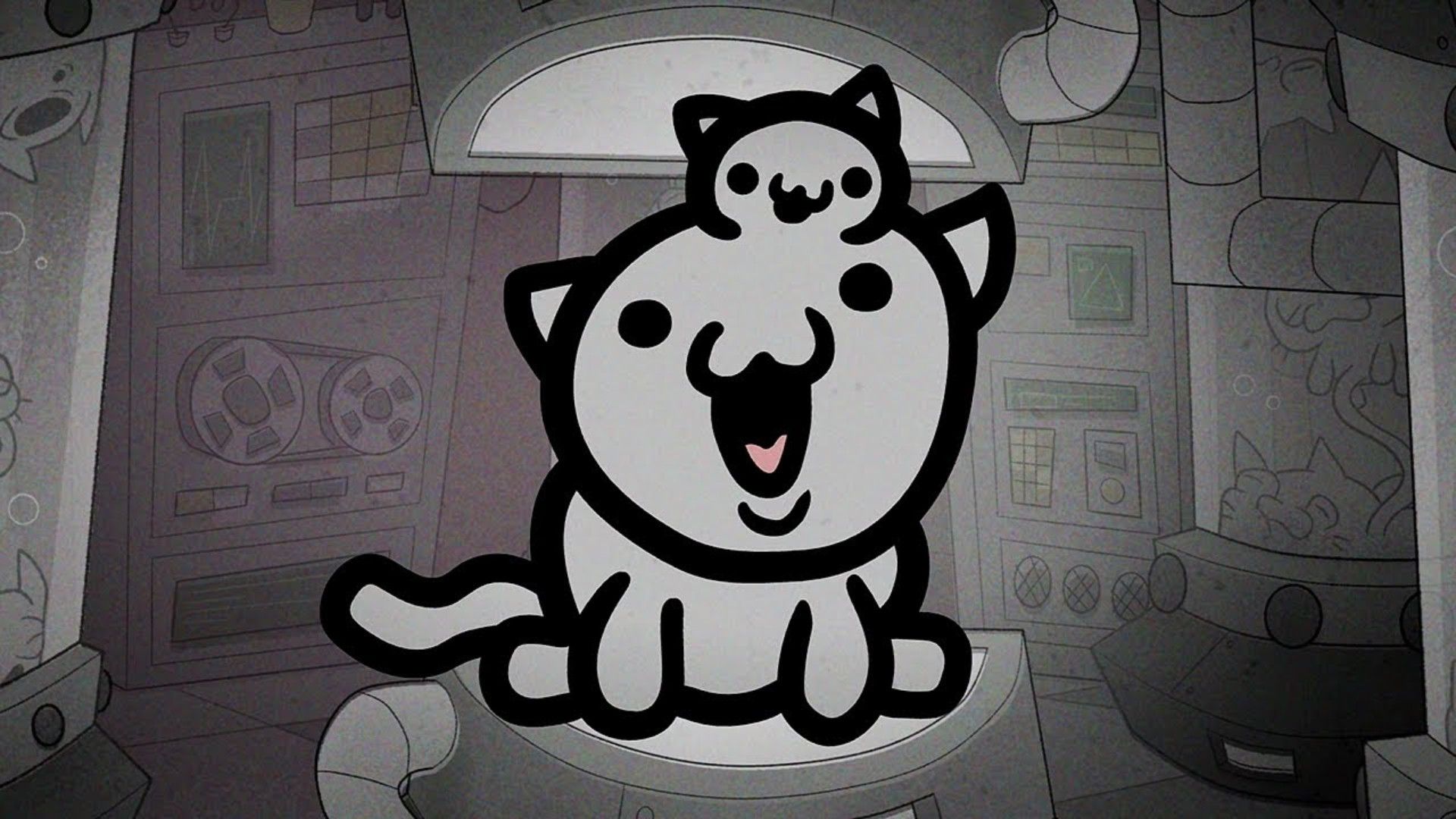
Mewgenics is notably creative on several levels, from its sense of humor and music to its complex encounter design, but progression might be its tour de force. Building on other Edmund McMillen games like The Binding of Isaac, which has limited cross-run progression, I wasn't expecting much in this respect, but Mewgenics surprised me.
بەرگەکان ڕێکبخەرەوە بۆ ڕێزبەندی بڵاوکردنەوەی دروستی ئەمریکا.
The core progression loop in Mewgenics revolves around breeding your various feline operatives. The stats of an offspring cat are calculated based upon the combined stat values of the parents, with better outcomes becoming more likely depending on how you customize your base. Mewgenics also considers factors like incest and mutations, which lead to all manner of complicated and unexpected effects in new cats, creating an unpredictable progression path that provides moments of elation and hilarious confusion in equal measure.
Despite being well over 20 years old now, Final Fantasy Tactics feels like it could have come out last year. Its turn-based tactics remain incredibly sharp and easy to understand, and the ways you can develop and customize your party members help keep the game interesting over the course of its extensive campaign.
Each character's progression is split into two separate paths: character EXP and Job Points, or JP. Character EXP works the same way it does in a traditional RPG, and increasing a character's level communicates permanent stat increases. But JP increases independently of a character's level, allowing that character to grow more powerful within a particular Job (class), which can be swapped for another at any time between battles. When one unit gains JP for a given job, all characters get JP for that job, which further facilitates interesting, compelling team synergy.
While its progression systems are definitely simpler and more linear than many of its contemporaries, it's actually this straightforwardness that allows Triangle Strategy to provide an exciting sense of overall growth. Unlike something like Final Fantasy Tactics, Triangle Strategy doesn't allow for freeform job-switching, but it makes up for that by having more unique, pre-defined squad members that develop in interesting ways over time.
سەرچاوەی فەرمی بە زمانی ئینگلیزی: https://gamerant.com/tactical-rpg-games-best-most-interesting-progression-systems/