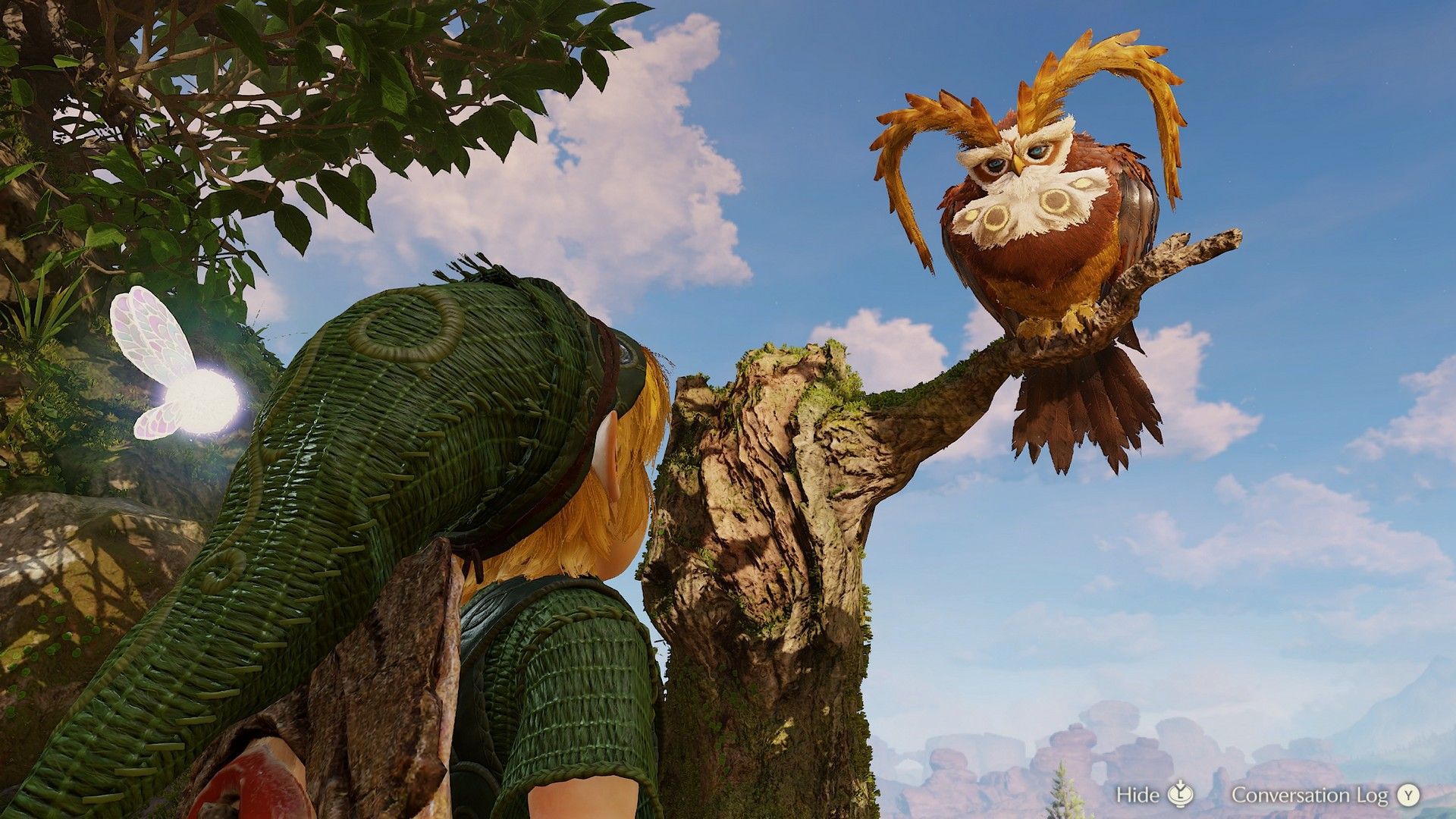
Remaking a game means breaking it apart. The salvage is polished, sharp edges sifted out, and all is reassembled in a new engine. In The Legend of Zelda: Ocarina of Time's upcoming Nintendo Switch 2 remake, this process has been followed with watchmaker precision. Walking through Kokiri Forest, Link's familiar stomping grounds, I'm reminded of optical illusions that show two different pictures at once. Everything – yet remarkably little – has changed.
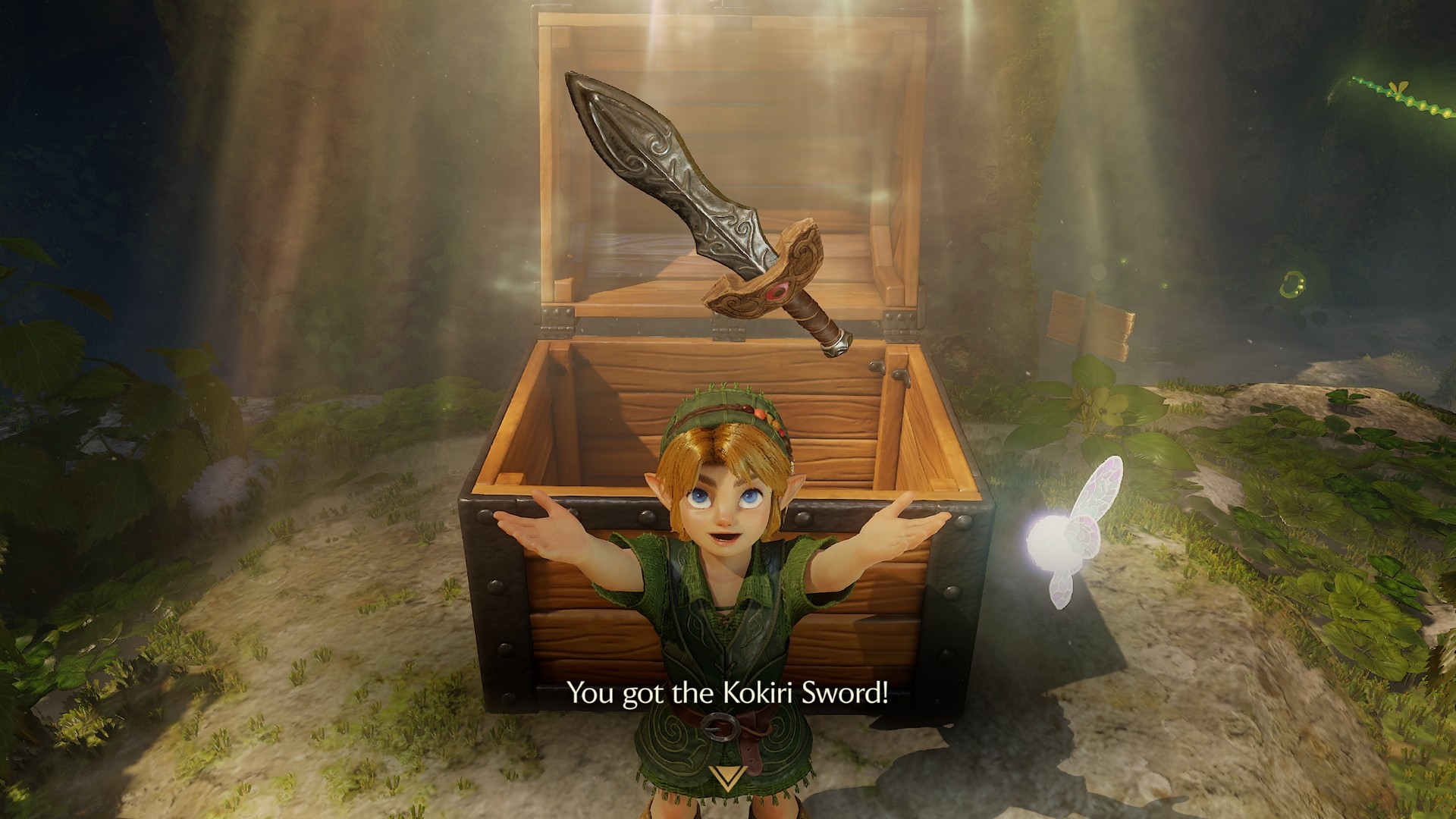
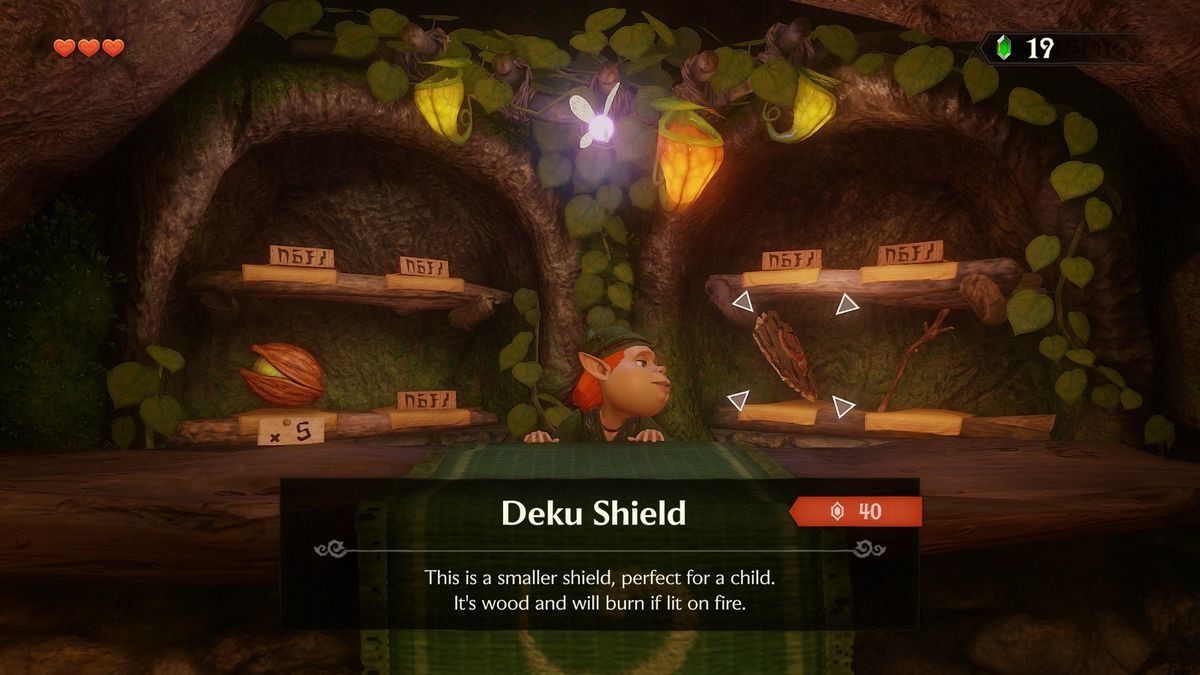
The Legend of Zelda: Ocarina of Time remake breaks with the Nintendo 64's sharp, jagged art style but keeps its broad-stroke palette. The result is a softer Hyrule, with warmth that extends to its denizens. Link's redesign is far better in action than in its controversial reveal – with chubby cheeks and wide eyes, he looks the part for a kid being thrown into his first adventure. Kokiri Forest is brighter and feels bigger, but everything is in its right place – muscle memory guides me to Link's sword, and the blue rupee I put towards buying a shield is where it's always been.
Developer: In-housePublisher: NintendoPlatform(s): Nintendo Switch 2Release date: November 5, 2026
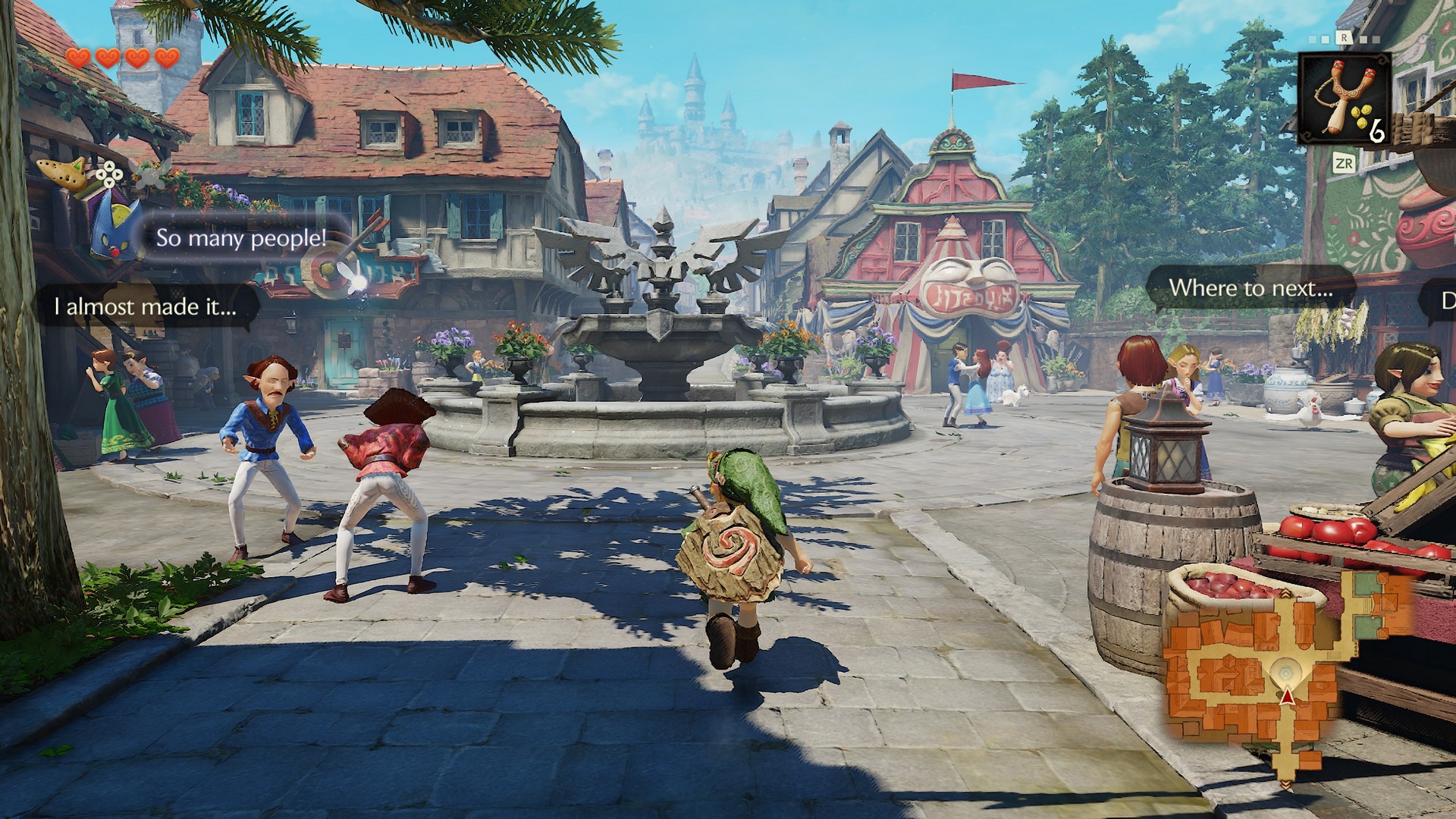
But even the familiar (and it is – I spent my childhood in Hyrule) is remarkably fresh. The locked camera has been done away with, and you can now move the camera freely. That's par for the course in modern Zelda, but for anyone returning to Ocarina of Time, it's like taking a deeper breath. Later, in Castle Town, I run down newly-added backstreets and ogle at them from all angles. The town is far livelier – less dioramic than on N64, and more in line with the likes of Wind Waker's bustling Windfall Island. The remake is an exercise in small nudges – beneath the glossy makeover, it's exceptionally faithful to the source material that paved the way for 3D Zelda.
My hands-on preview is broken into three chunks. The first chunk starts from the beginning, when Link is roused from bed for an audience with the ancient Deku Tree, and runs up to halfway through the Deku Tree dungeon. Some of Kokiri Forest's haziness is gone, but it still feels like a place out of time. In the Deku Tree, Ocarina of Time's movement changes shine. Being able to freely line up Link for platforming is a godsend, and he can jump – the boy can jump! – on command, meaning you no longer have to run full-pelt at a ledge to see if your intended angle is lined up correctly.
Similarly, combat is less stiff but still relatively simple. Whether you're fighting a carnivorous Deku Baba plant or sword-toting Stalfos, simply lock onto your target, wait for it to overextend, and hack it to pieces. UI changes make it easier to switch items on the fly, too, meaning I actually use Deku Nuts to stun baddies.
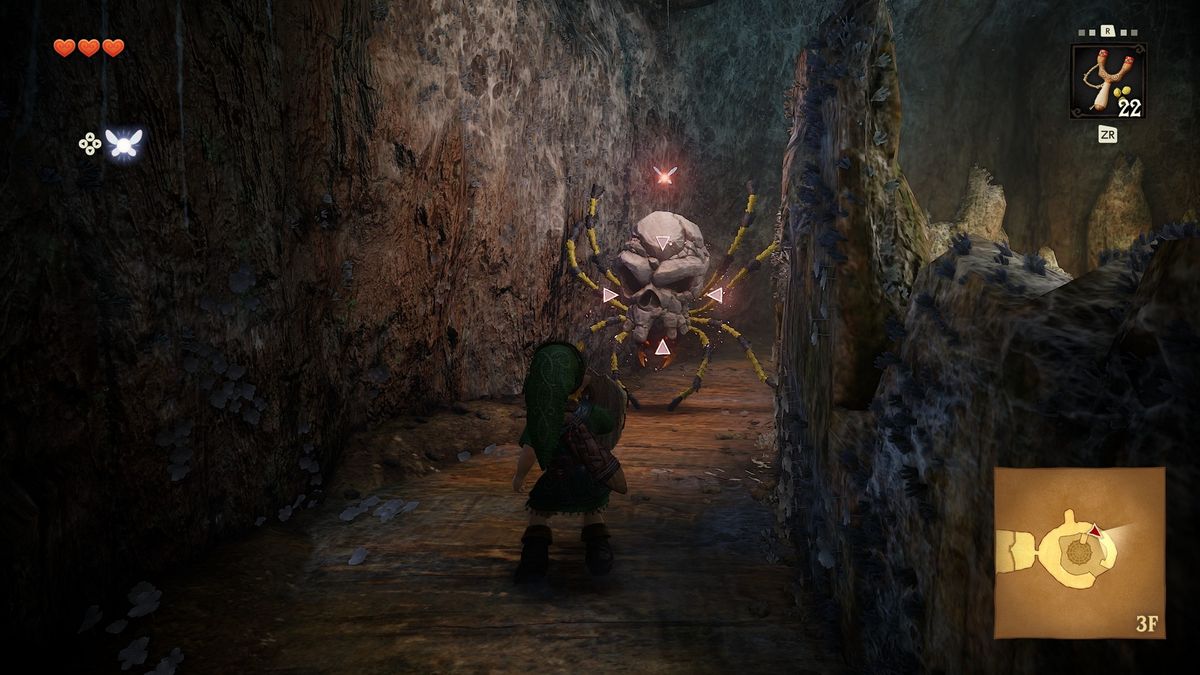
Combat is straightforward – be it a carnivorous Deku Baba plant or sword-toting Stalfos, simply lock onto a target, wait for it to overextend, and hack it to pieces. UI changes make it easier to switch between items, meaning I actually use Deku Nuts to stun baddies. When I find the Slingshot in a chest, I'm surprised by how smooth its gyro controls are – for the first time in a game I use them willingly, gliding the Switch 2 controller around to pelt Skulltulas with seeds.
The second chunk of my preview skips ahead to Hyrule Field, which is titled over a sweeping shot (as Breath of the Wild introduces locations – right down to the font). Like Kokiri Village, everything in Hyrule Field is where I remember it. But ruined buildings now dot the field, and although I don't have time to investigate, Hyrule's countryside certainly feels bigger.
سەرچاوەی فەرمی بە زمانی ئینگلیزی: https://www.gamesradar.com/games/the-legend-of-zelda/the-legend-of-zelda-ocarina-of-time-remake-preview-nintendo-switch-2