

At long last, the Swedish grand strategy masters have ditched courtly manners and diplomatic marriages for a setting with some bite to it.


Paradox Interactive and grand strategy is one of gaming's great combinations. Huge, sweeping games where you control nations and decide the fates of thousands with every decision - they're generally the arena of classic civilizations, a taste of history. Now, however, Paradox is turning its attention to the post-apocalypse with the newly announced Afterworld.
The aim for most grand strategy titles is to expand beyond your limits, to take over, and to thrive in a world of near-endless possibility. From what I've seen of Afterworld, mere survival is the biggest hurdle. A lot less worrying about which marriage will give me the most influence in Europe and more about which swamp is least likely to kill me instantly.
A huge tonal shift like this is bound to bring some skepticism, but the ideal of managing my own group of survivors through a hellish wasteland feels fresh, and therefore exciting. Afterworld seems to have gone to the Mad Max school of apocalypse, with motorized vehicles as both the primary method of movement in the wasteland, and its apex predators.
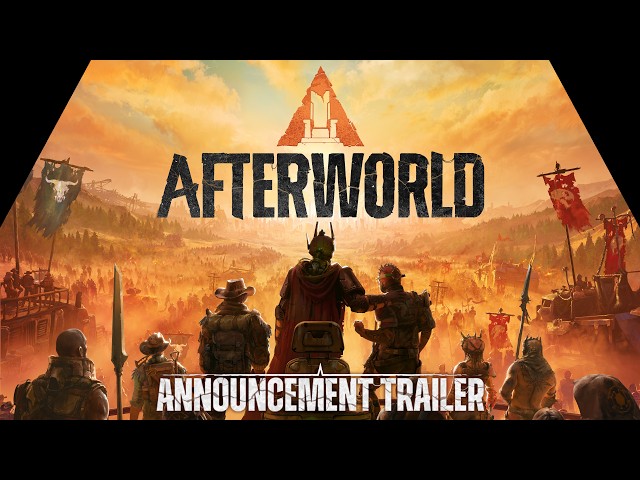
Afterworld, like most grand strategy types, offers control on varying scales: the most top-down, map-specific views allow players to strategize and plan on the widest possible scale, while the terrain view zooms right in to let us watch scrappy battles between squadrons of heavily armed cars, close enough to smell the gore and gasoline. It all counts, and I'd imagine being able to thrive in an inhospitable land requires control over all aspects.
Diplomacy, for example, seems unlikely to work in any form we'd recognize from the likes of Europa Universalis IV, but not impossible. Everybody has a price, after all, and how are you going to rule the wasteland if your neighbor has all the oil but no cars, and all you have is a useless pile of unfueled war machines? Bartering deals, then reneging on them; maintaining uneasy border zones where sometimes scouts just go missing and that's life; arranging peace summits that just happen to take place in a rad-soaked junkyard crawling with snipers - all could make a welcome change from exchanging daughters and trade agreements via spreadsheet.
That's pure speculation for now, however. Choosing how you want to survive is the real depth of Afterworld. Taking cues from other grand strategy titles, you can still mould your budding settlement how you wish - do you bank on religion to keep the peace, or is hard work the answer to your troubles? Ruling with an iron fist might seem all well and good, but watching your back will have to become second nature.
It's fascinating, taking quite a delicate genre and transposing it onto a hellish backdrop, where the subtleties of diplomacy may pale in comparison to sheer might. I can't wait to see more of Afterworld; I'm already planning to inhabit a quiet corner of the map and hope nobody notices me.
سەرچاوەی فەرمی بە زمانی ئینگلیزی: https://www.pcgamesn.com/afterworld-announcement