
Fire Emblem: Fortune’s Weave is not just the biggest and most ambitious Fire Emblem, but it might be one of the boldest strategy RPGs I’ve ever played.
The game packs in four distinct protagonists – five if you count your player avatar – each with distinct storylines, personalities, and ambitions that see them fight against and alongside one another across three story arcs. But this isn’t a game you’ll be playing four times; the goal is to bring each of these characters and their allies together for a climax that’d make early Avengers movies blush.
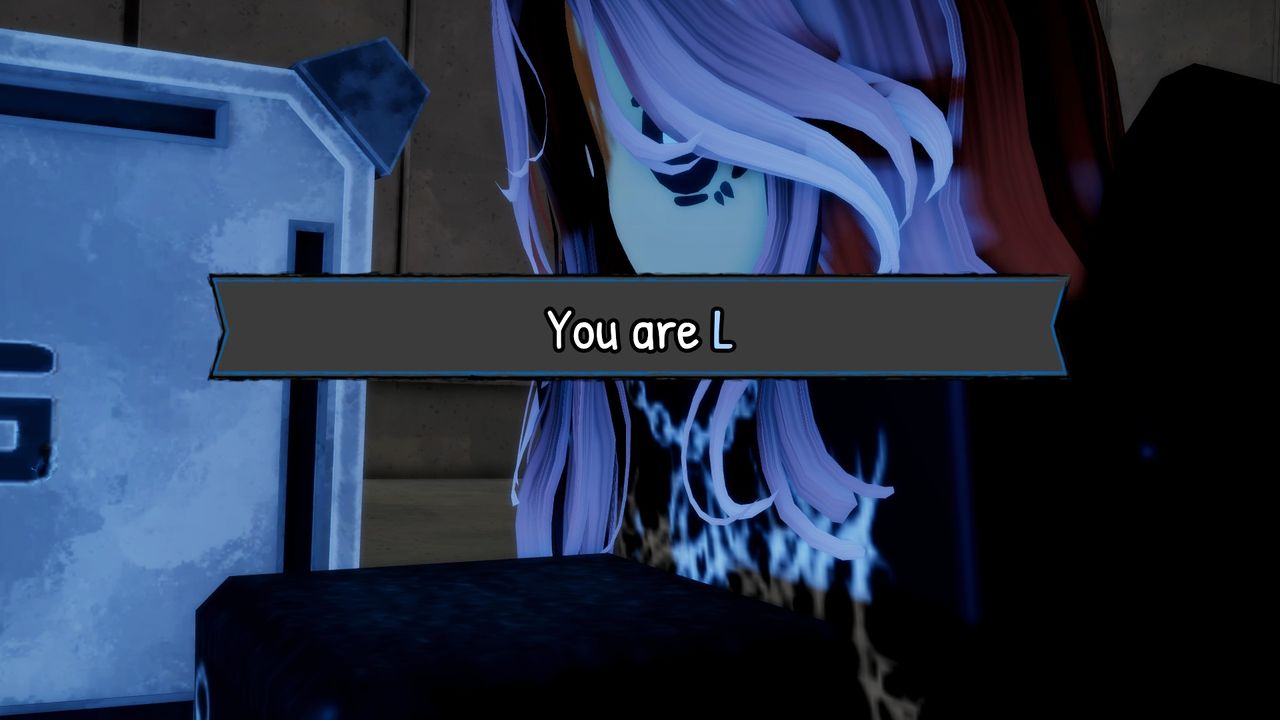
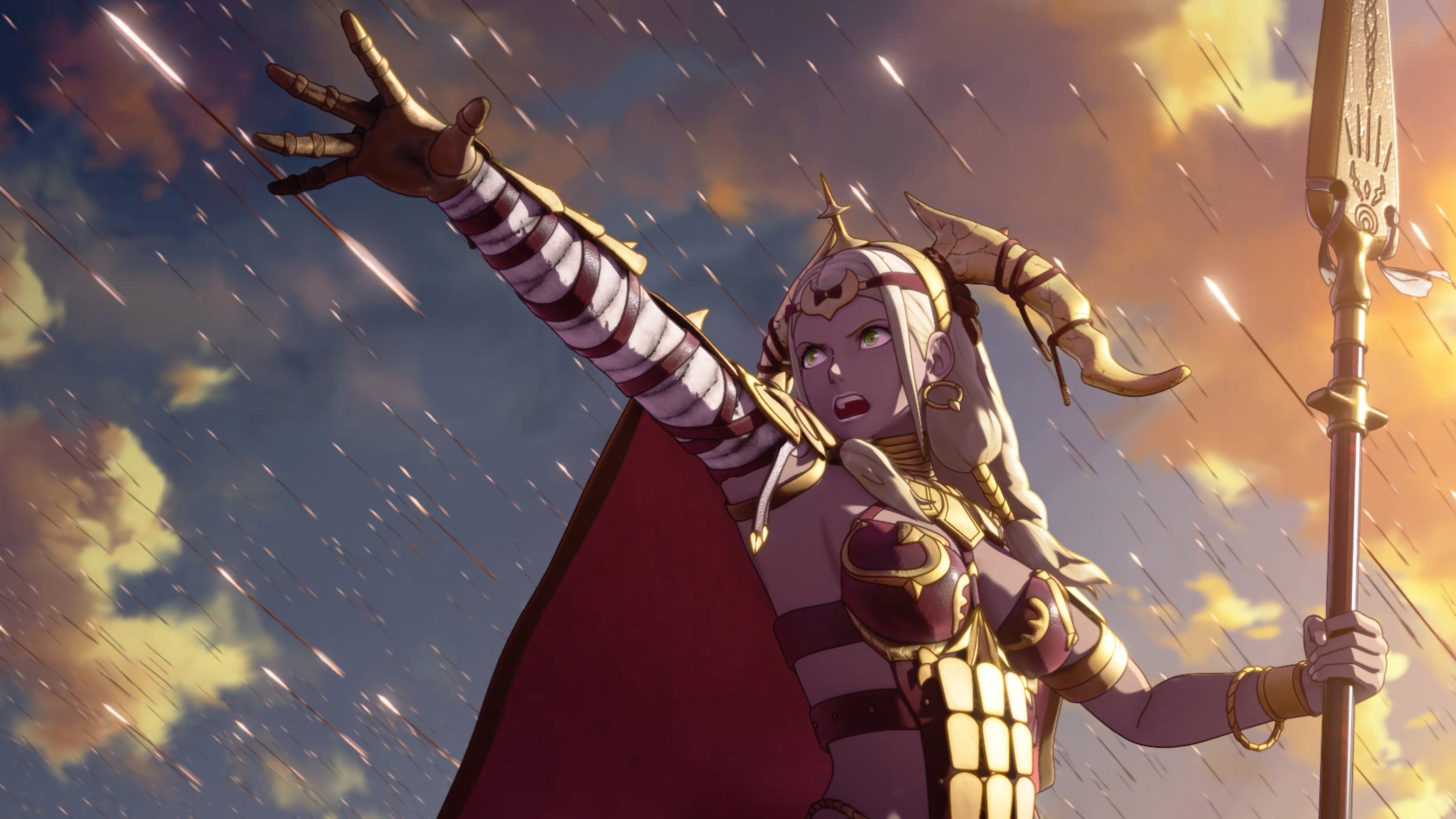
In Part 1 of the game, you lead one of the four main protagonists and their allies through a tournament in the capital city of Dagsion. You’ll do battle in the arena while uncovering conspiratorial secrets and earning the trust of the warriors you meet, but each of our four protags has their own intentions. Cai feels like a traditional JRPG protagonist: a young boy fighting against much bigger foes in order to save his imprisoned father. Leda is the polar opposite — a beautiful and self-destructive dancer willing to follow her obsession with revenge to the bitter end.
Part 1 alone feels like an interesting and fully-featured Fire Emblem game. Choose one path, play through it once, and it’s already a satisfying experience. But with each of the four paths, you get to see new sides of the wider cast, new narrative beats, and you’ll uncover plot lines that elucidate the wider story. Dietrich and his posse might seem tough to understand from the outside, but his story will add depth to plot lines you see across all playthroughs.
Between fights in the arena, you’ll be passing time Persona-style while crossing an overworld map. You’ll be able to visit various locations across the game world, though most of the locations take the form of a shop menu and an inn. Each character will be given unique side quests to undertake to increase their renown, though they usually amount to visiting a location and collecting an item or completing a battle.
Week-by-week, you’ll spend most of your time courting the cast in an attempt to increase your support ranks so they can be recruited into your party, and the repeated meals, gifts, and even theatre performances are a lowlight. Increasing your support ranks quickly to ensure you have a fully-featured party for the fights ahead sounds like a good idea, but maximizing support ranks as efficiently as possible isn’t fun; it’s a bit of a chore.
It’s far more enjoyable to explore the overworld, bouncing between item harvesting locations, battles, and even explorable dungeons. These make a return from Fire Emblem Echoes: Shadows of Valentia, with the new Clash battle system. Clashes have your five-person party share a health bar, and so do your foes. You don’t need to move around a grid; just select attacks from a menu. It’s not a good battle system, but it helps combat encounters in dungeons fly by so you don’t spend long periods of time locked into a cave.
All of the activities are just prep for the main story battles. This is where the series’ main combat shines, iterating on what we saw in Fire Emblem: Three Houses. In addition to the usual blend of weapons, mounts, and magic, characters important to the story often wield one of Drake’s Treasures, a selection of cursed items that can grant their users Blaze Art abilities. These can take the form of buffs or outright attacks, giving your entire party an advantage in battle.


سەرچاوەی فەرمی بە زمانی ئینگلیزی: https://www.videogameschronicle.com/review/fire-emblem-fortunes-weave/