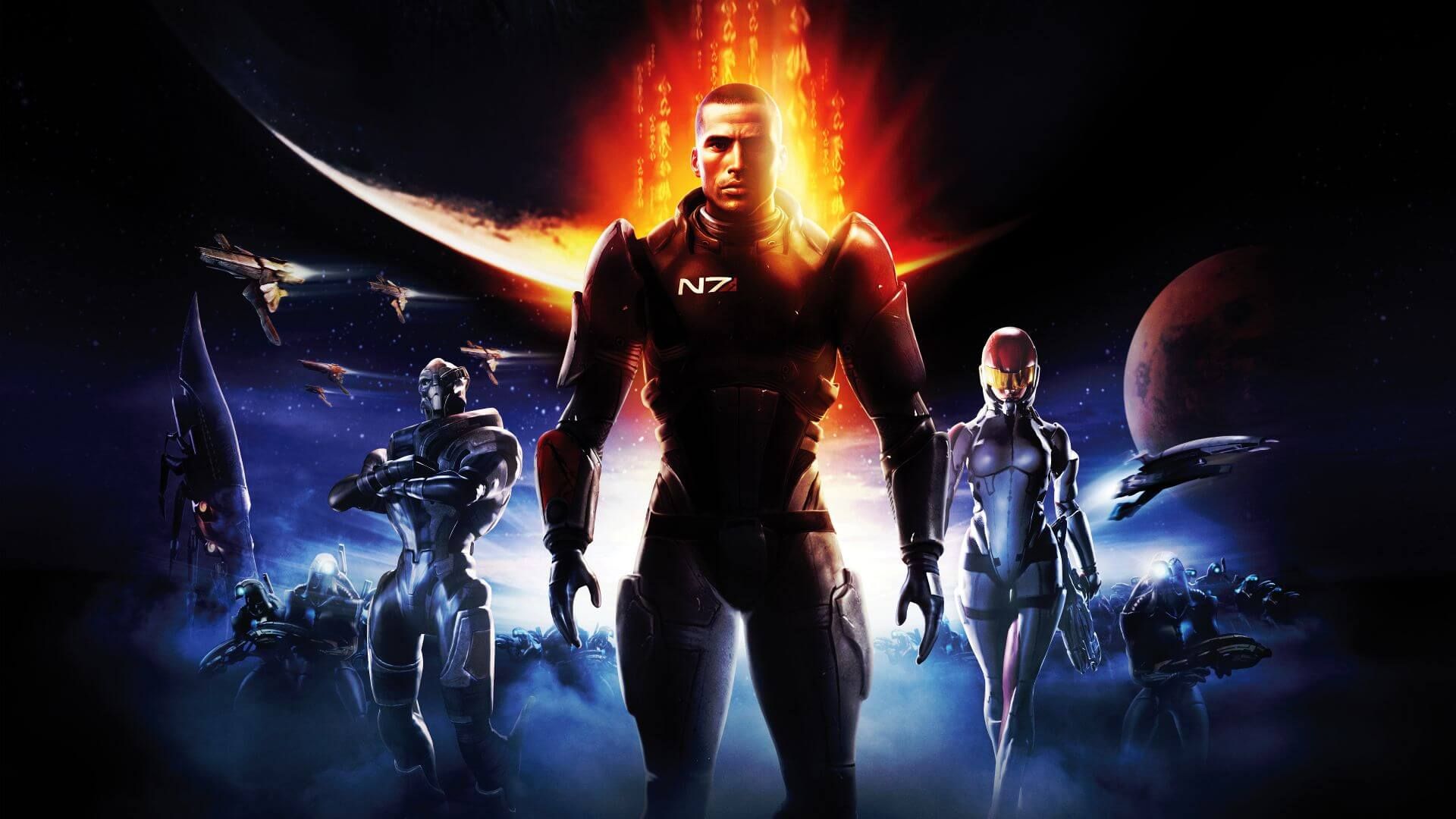
Nearly 25 years on from its release, Mass Effect can feel like a forgotten relic. The game’s achievements as a character-driven space opera have been appropriated by its immediate successor, Mass Effect 2, leaving behind a reputation for clunky combat and awkward driving segments (see ‘Mako or break’). 2021's Legendary Edition remaster attempted to conceal its many blemishes while collecting the trilogy in one package – and in doing so, highlighted the gulf in quality between games one and two.
But the dented legacy of the 2007 original, first released as an Xbox 360 exclusive, doesn’t do it justice. Mass Effect remains a special game, with flaws that aren’t as obvious as you remember and a setting to match any that BioWare has created. Yes, the second game’s ensemble cast will always be the series standout, but Mass Effect built a believable galaxy for those characters to live in, home to trillions of inhabitants and dozens of races. Without that history, you wouldn’t understand the motivations of your Mass Effect 2 companions, or care about their collective fate. And in some ways Mass Effect betters the games that came after it – certainly, at least, with its hub world, the Citadel.

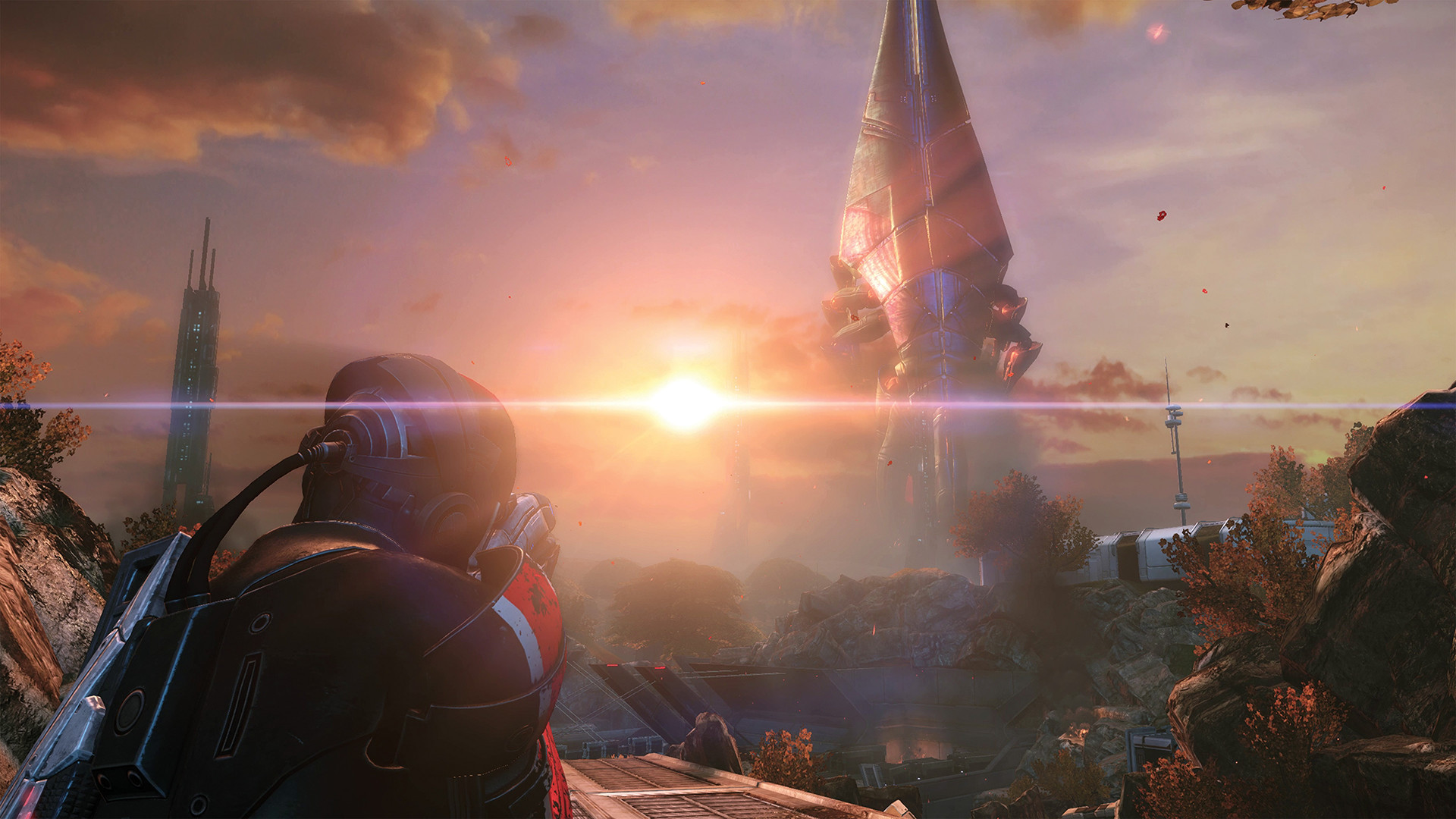
Commander Shepard, your customised avatar, first arrives here to report the betrayal of Saren, a member of the elite force known as the Spectres, which operates above the law at the will of the intergalactic Council. The Citadel is a megaship positioned right at the heart of the galaxy, a five-armed monolith that is home to the Council and to 12 million people besides: the kind of location that would’ve been difficult to depict in any detail on screen in the mid2000s. BioWare didn’t try to build a giant city that looks believable, as Rockstar would with GTA 4’s open world a year later. Rather, it built a world that feels believable.
The twinkling urban sprawl you see when you look out of the curved windows lining the Citadel’s corridors is mere set dressing, not intended to truly fool you. None of the sections it is carved up into is especially large or bustling – but they are all distinct, in ways that leave room for you to imagine what might happen when you’re not around. The cavernous Presidium is a marvel of sterile grandeur, its simulated blue sky, trimmed trees and white fountains forming the kind of characterless utopia in which smiling ambassadors of each species would want to operate. In contrast, Flux, the nightclub down in the Wards, the “cultural heart of the galaxy”, flashes with neon lights and pulses with music while patrons mingle at tables or at the bar, and others try their luck on arcade machines upstairs.
BioWare deploys multiple tricks to make these spaces feel bigger than they actually are. Corridors have multiple nooks with no apparent purpose, or which are only used for a specific sidequest, while aliens tap away at banks of computers in side rooms, their purpose unknown. Walkways crisscross and overlap, and elevator rides – infamously – take an eternity, during which you listen to news reports about humanity’s efforts to colonise distant planets.
But the characters are what really sell the idea that both the Citadel and the galaxy beyond are bigger than what actually exists on your hard drive. The line of embassies and administrative offices you find in the Presidium are an excuse to meet a variety of alien races: the polite Elcor, who preface their words with a summary of what they’re about to say, and the diminutive Volus, who specialise in commerce and are bitter that they lack a seat at the Council. The way you learn about their cultures feels contrived (Shepard will say, straightfaced, “Tell me about Volus culture”), but the answers speak to a universe of varied environments, economies and political systems.
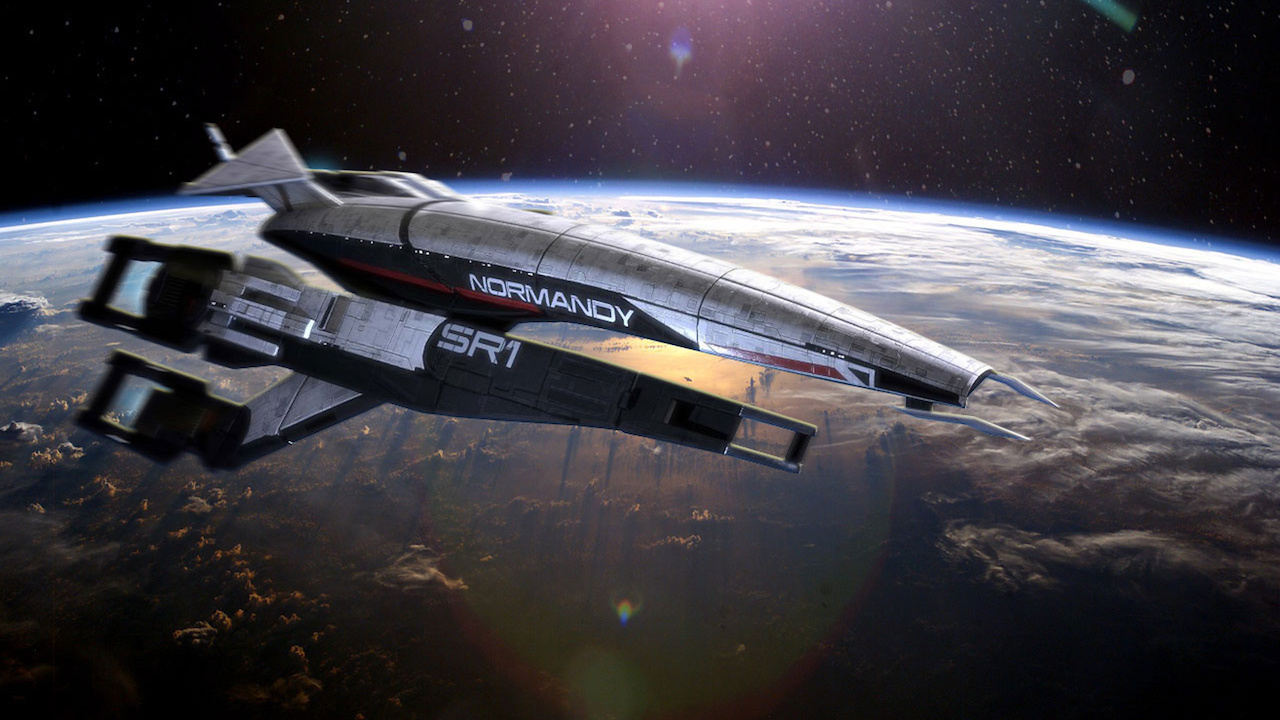
Your crewmate companions are in on it too. Enter Flux with Wrex, your Krogan companion, and he’ll comment how “places like this” always want to hire Krogan bouncers, “like we’re a status symbol for them”, which reveals something about both Citadel and Krogan life. When Garrus, a humanoid Turian, meets a gambler who has been kicked out of the club, his statement that if Doran, its Volus owner, “says you’re cheating, you’re cheating” suggests that he has visited countless times before. Walk past a Krogan statue, gleaming white in the Presidium, and Wrex will begin arguing with Garrus about the violent reputation of his species, and about the genophage, a biological weapon deployed by the Turians to wipe out the Krogan after a decades-long war – a topic that’s repeated in multiple quests and creates an underlying tension within your squad.
هەفتانە هەرسکردنەکان، چیرۆکەکانی ئەو کۆمەڵگایانەی کە خۆشت دەوێن و زۆر شتی تر
سەرچاوەی فەرمی بە زمانی ئینگلیزی: https://www.gamesradar.com/games/stealth/mass-effect-1-was-way-better-than-its-reputation-suggests