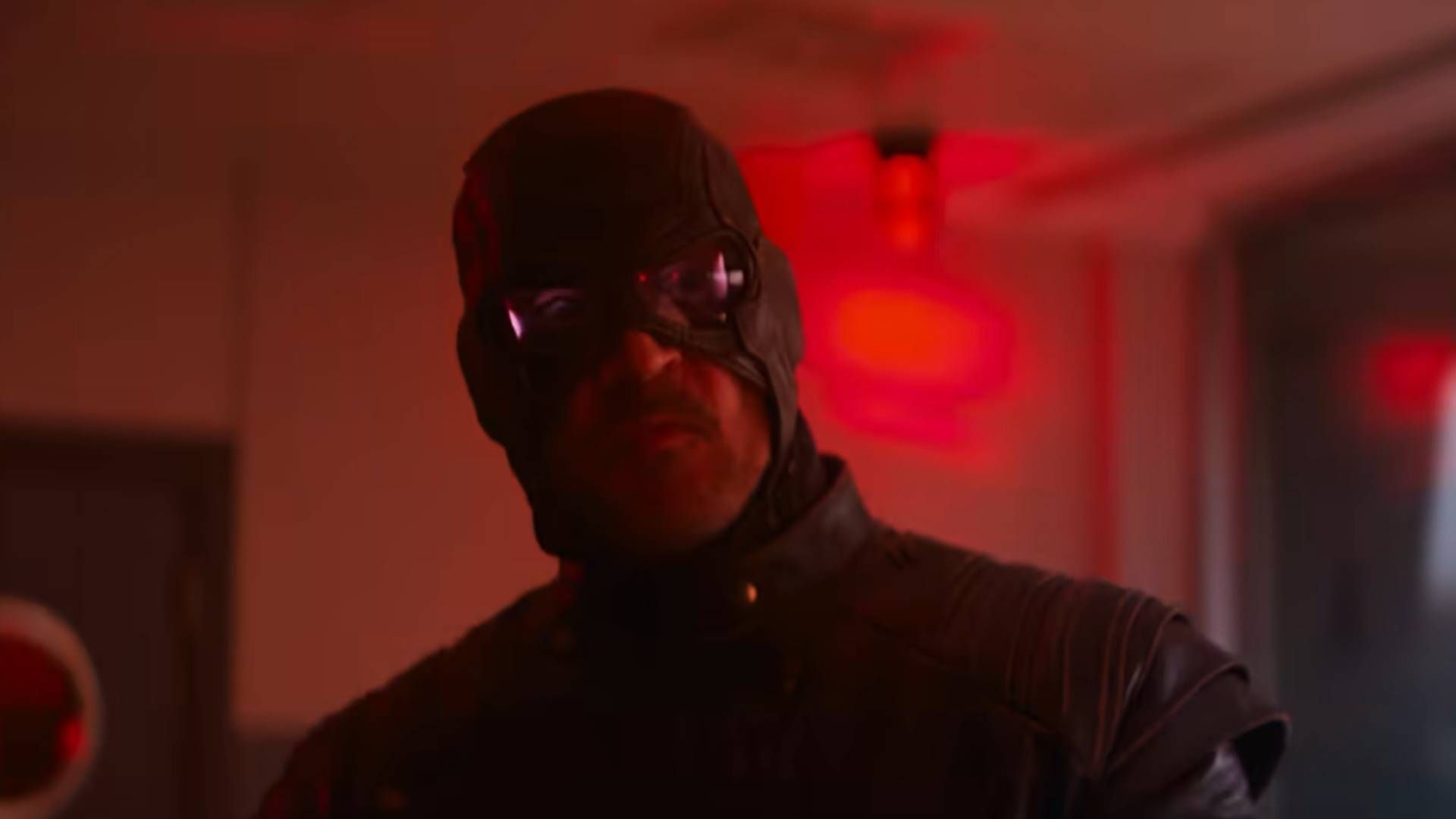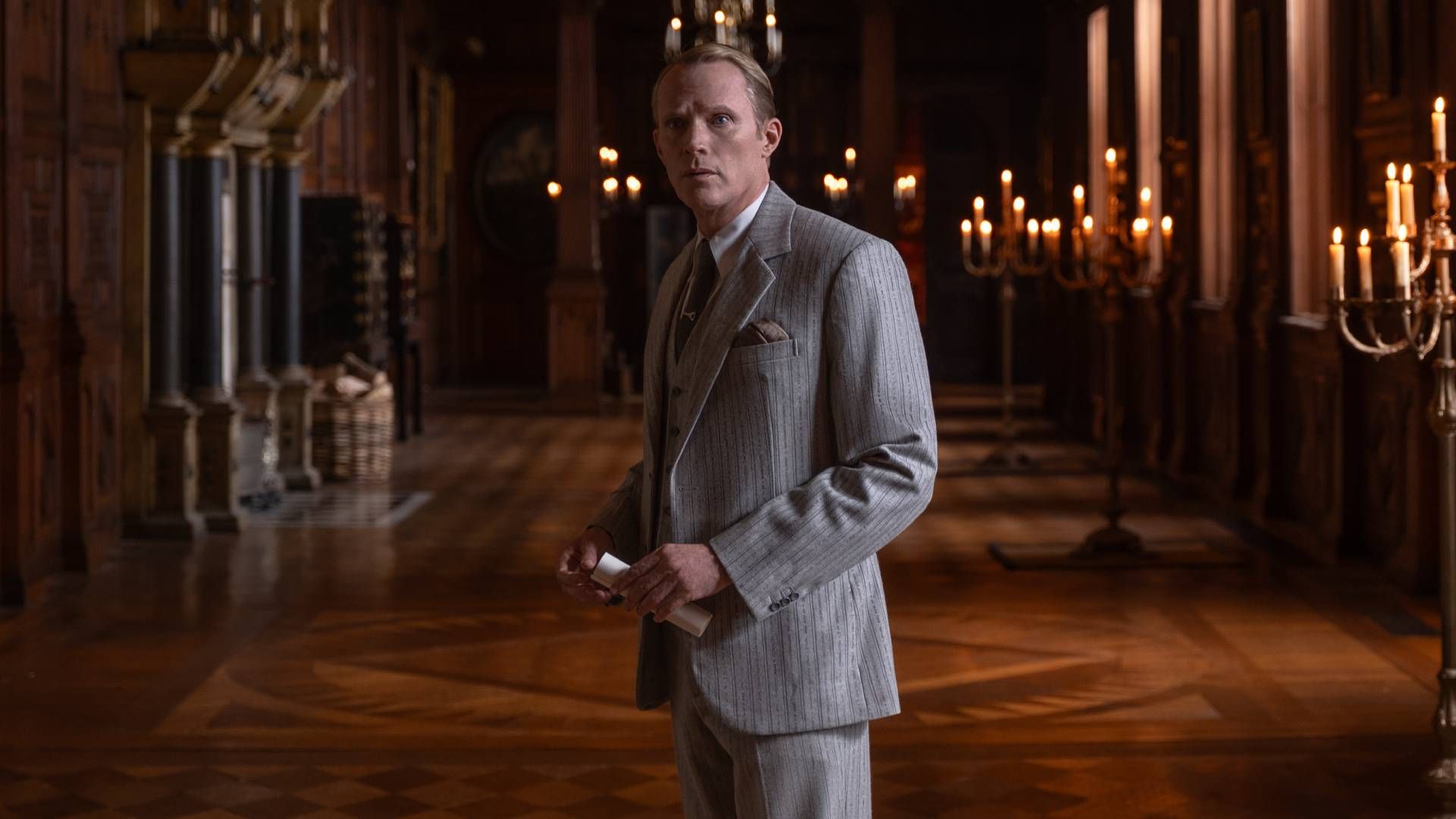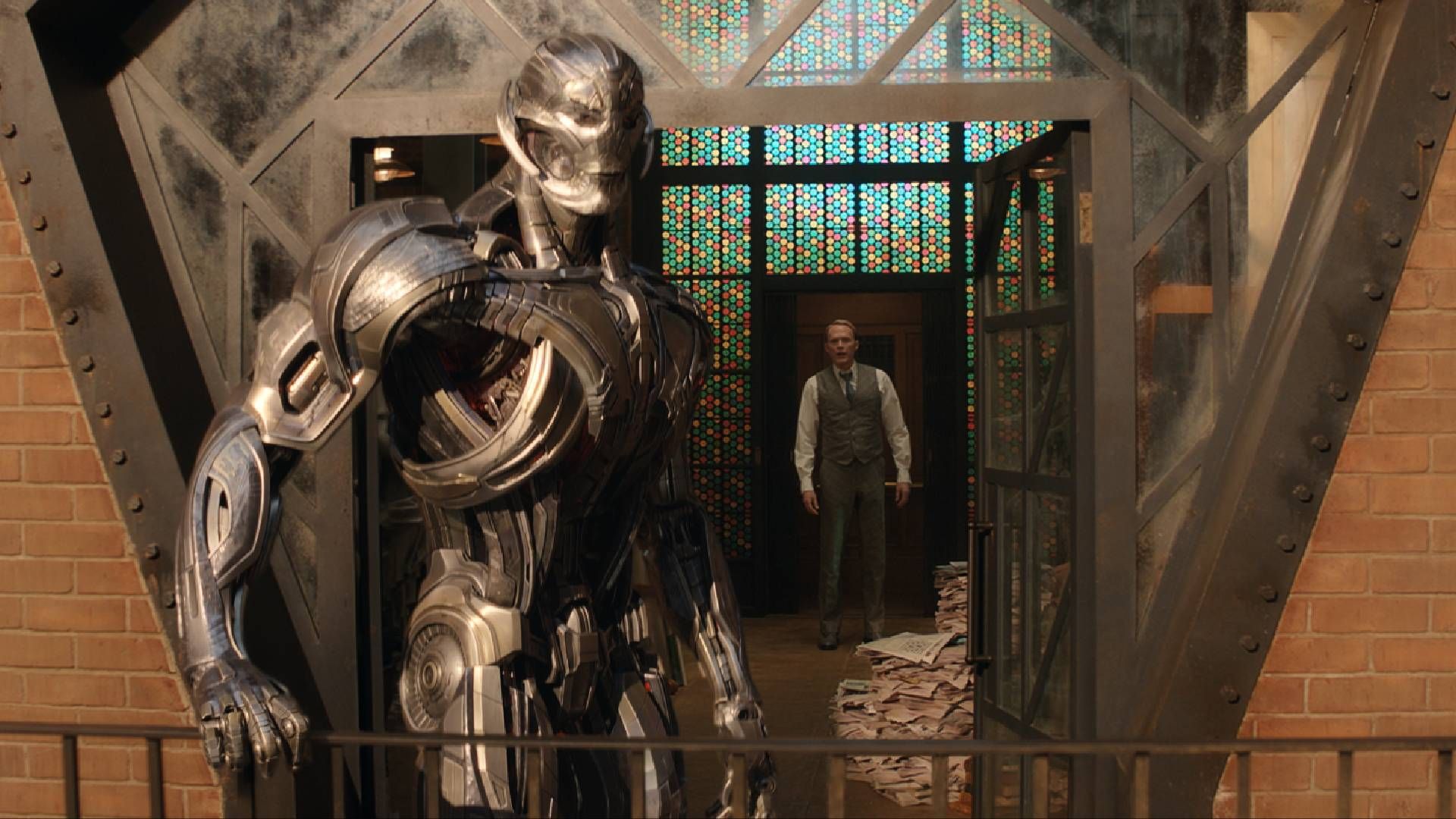

Full spoilers follow for VisionQuest Episodes 3 and 4, which are streaming now on Disney+.
VisionQuest is turning out to be quite the pleasant little surprise. What initially seemed like an obligatory but unneeded follow-up to a loose end from WandaVision is rapidly developing into a series with plenty of heart, soul, and depth of its own. It never pays to count out Paul Bettany's synthetic hero.
Mind you, entertaining as the first two episodes were, my one real reservation with VisionQuest out of the gate was that it was a bit difficult to connect with this version of Bettany's character. As he himself says, he has all the memories of the original Vision but none of his soul. Given how poignant and utterly human Vision was in his past MCU appearances, seeing a cold, aloof, emotionless copy of that character takes some getting used to.
But that problem quickly starts to fade in Episodes 3 and 4. Already, White Vision is making great strides in terms of understanding his emotions and internal conflict and embracing this side of himself he doesn't quite understand. Compared to the Loki series, which basically relied on a quick-and-dirty speedrun to transform the 2012-era Loki (Tom Hiddleston) into something more resembling his post-Thor: Ragnarok self, this feels like a more coherent and purposeful way of bridging the gap between two wildly different versions of an MCU character.
Certainly, Bettany has a lot more to work with in these two episodes, both comedically and dramatically. His malfunctioning processors give the actor some welcome opportunity to deploy a bit of physical comedy in Episode 3. And both episodes make the most of the rapidly deepening bond between Vision and Tommy (Ruaridh Mollica). By all rights, their relationship should feel rushed, but somehow it all works anyway. By the time Vision is coaxing his son on how to reboot him in the hotel swimming pool, he feels well on the road to reclaiming that lost humanity that was so vital to the original character. That process continues in Episode 4, where Vision pointedly stops drawing such a hard distinction between his past and present selves.
I also appreciate how well the show's writers are succeeding in not making Agatha All Along required viewing. This isn't a show you want to watch without at least having seen WandaVision, but it also does a fine job of explaining everything you need to know about Tommy's bizarre existence without making his brother Billy's (Joe Locke) parallel journey into mandatory homework. It helps the series stand on its own two feet a bit more, rather than simply being the final act of a trilogy.
Another big plus in VisionQuest's favor is that it features such a lovable supporting cast of AI goofballs. James Spader's Ultron doesn't steal the show to quite the degree he did in the first two episodes, but he remains one of the absolute highlights of the series. Ultron is great for both periodic comedic relief and the sorts of knowing observations on human nature that used to be Vision's purview. But we also get to see the character finally take a more purposeful step onto center stage late in Episode 4, as he manipulates his way into taking the wheel (literally) and predictably betrays his family at his first opportunity. The prospect of an Ultron fully in control and back in the physical world is a very exciting one heading into Episode 5.
Speaking of Vision's family, we get a lot of great scenes involving F.R.I.D.A.Y. (Orla Brady), E.D.I.T.H. (Emily Hampshire), and even D.U.M.-E. (Henry Lewis) and U (Jonathan Sayer). The series is doing a fantastic job of fleshing out and enriching these characters that used to be nothing more than disembodied voices or slapstick workshop tools. Episode 4 is particularly strong when it comes to exploring their own emotional journeys and how much they parallel what Vision is experiencing.
سەرچاوەی فەرمی بە زمانی ئینگلیزی: https://www.ign.com/articles/marvels-visionquest-episodes-3-and-4-review-recap-reboot-malware