I think it's easy to look back at RPGs from the NES era and assume their progression systems probably amount to little more than fighting enough enemies to gain a level, buying the next strongest weapon in town, and then doing the whole thing over again until the credits roll. To be fair, there are plenty of games from the era where that isn't too far from the truth. However, there are also some NES RPGs that were already doing things with character progression that games are still doing today, whether that meant letting players decide where their next upgrade went or giving them an entirely different way to develop a character after they'd already spent hours building them up.
Of course, I'm not saying every part of these games has aged particularly well, because anyone who has gone back to an NES RPG after becoming accustomed to modern conveniences knows exactly how rough some of them can be. I'm specifically talking about their progression systems here, and whether getting stronger still feels satisfying rather than simply necessary. Some of these games give the player considerably more control over that process than others, but all six found a way to make character growth feel like something worth thinking about instead of something that just happens while you're grinding.
These rankings are based specifically on how well each game's progression systems hold up today, rather than the overall quality of the game. This list also sticks to RPGs that received an official NES release in North America.


I actually think Crystalis is a great place to start because, on the surface, its progression is about as familiar as it gets. You defeat enemies, earn experience, gain levels, and gradually become stronger, so anyone who has played an action RPG before is going to understand what it's doing almost immediately. But the part that has aged better for me is how much of the hero's growth is also tied to his four elemental swords, with Wind, Fire, Water, and Thunder eventually becoming much more than four different ways to hit something.
کۆنسۆڵەکان بە ڕیزبەندی دروست دابنێ.
کۆنسۆڵە هەڵبژێردراوەکان لە نزمترینەوە بۆ بەرزترین ڕێکبخە.
Each sword can be powered up further with its corresponding Ball and Bracelet, giving its charged attacks additional functionality and eventually allowing the player to interact with parts of the world that weren't accessible before. Magic is layered on top of all of that as well, so there is this constant sense that the hero isn't merely becoming better at killing whatever is in front of him. He's gradually gaining more ways to deal with the world around him, and while Crystalis certainly shows its age elsewhere, I don't think that particular style of progression has ever really stopped being satisfying.

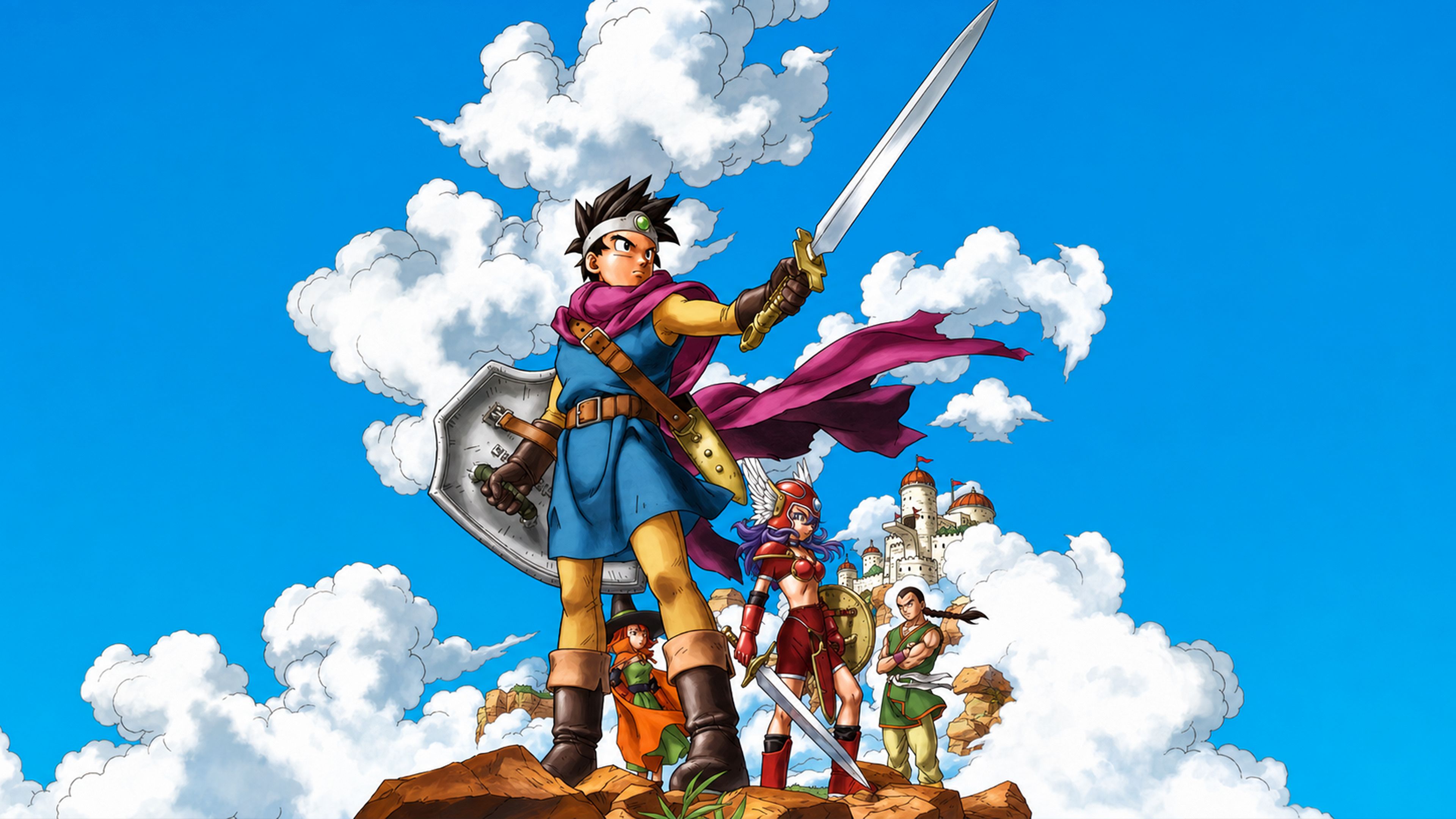
I've played plenty of party-based RPGs where I find four characters I like and then immediately forget everyone else exists, and that's part of what makes Dragon Warrior 4's approach so interesting even now. Rather than dumping a huge cast on the player and expecting them to care about everyone equally, its first four chapters focus on different characters before the entire group comes together around the Hero in Chapter 5. By then, these aren't random party members sitting on a menu somewhere. You've already spent time playing as them, leveling them up, and learning what each one actually brings to the table.
سەرچاوەی فەرمی بە زمانی ئینگلیزی: https://gamerant.com/best-nes-rpgs-progression-systems-ranked/