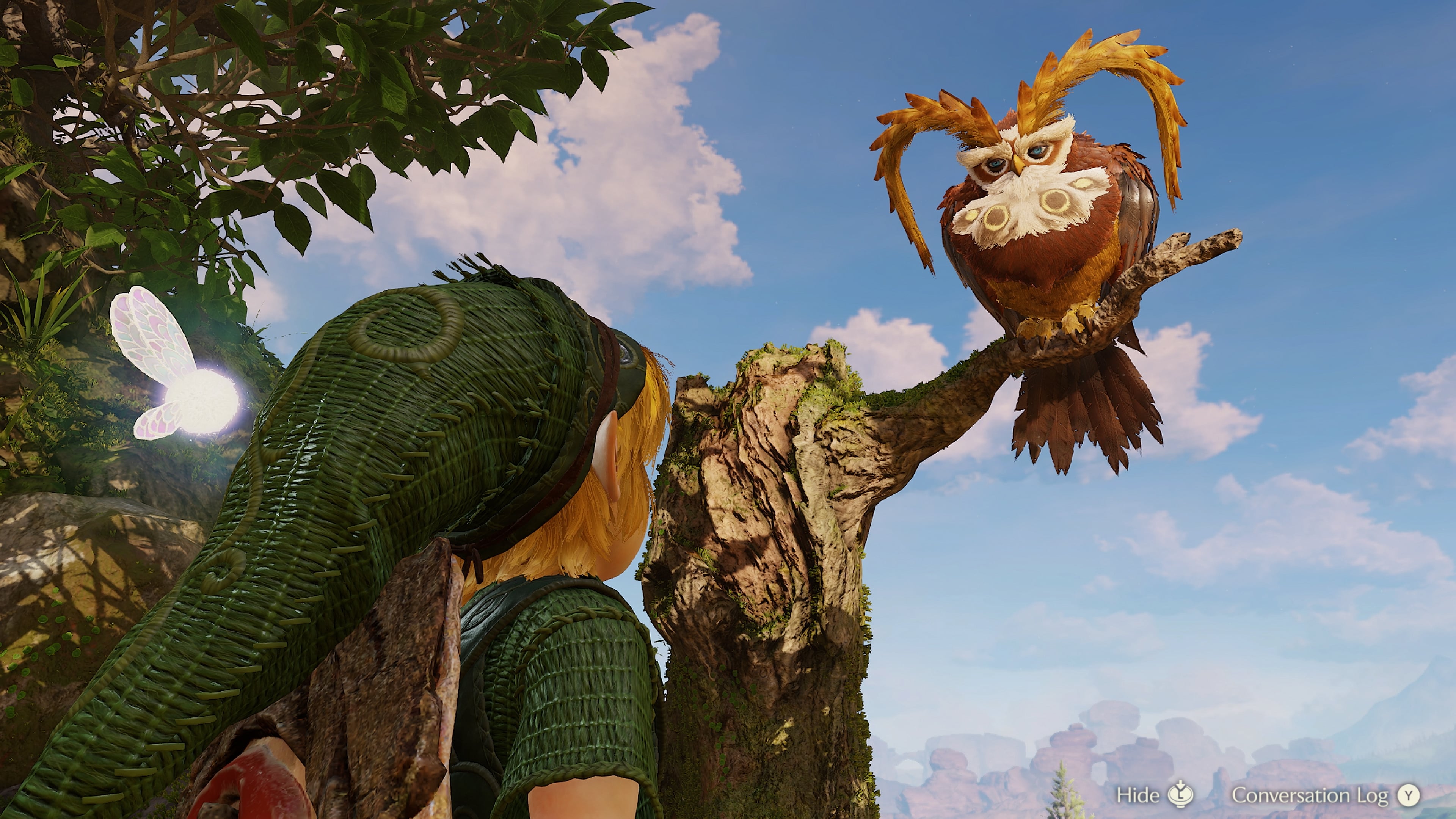
On a Monday evening in September, a group of journalists shared their concerns over dinner.
The group – including me – were set to go hands-on with Nintendo’s Switch 2 remake of The Legend of Zelda: Ocarina of Time the next day, but the consensus among those at the table was that there was a real worry about how it was going to go.
Were we concerned about the art style? The new controls? How much it was going to potentially differ from the original? No, none of that.
“I worry that when I see the Deku Tree, I’m going to start crying,” one person said.
“It’ll be the Hyrule Field music for me,” said another. A third was worried that saying goodbye to Saria would trigger the waterworks.
This isn’t a normal conversation to have during press events, to be clear. But then, Ocarina of Time isn’t a normal game. For many players of a certain age, this was the first game they played that made them fall in love with the medium, that absorbed their attention, that presented them with a world and characters that have remained in their heart for the rest of their life.
There’s a reason the Nintendo 64 original is still the highest rated game of all time on Metacritic, with a score of 99. Why it was the first ever game to get a perfect 40 (four scores of 10) in prestigious Japanese magazine Famitsu. Why Nintendo has managed to find a way to get it onto every console it’s made since. Why it already remade it once before, on the 3DS.
Ocarina of Time isn’t just a game that people loved, it’s a game that people lived. It holds a deep place in the hearts of a lot of players, because it shaped their passion for this hobby. For many, Ocarina was their gateway to the medium, the first game that truly hooked them and led to decades’ worth of other adventures.


سەرچاوەی فەرمی بە زمانی ئینگلیزی: https://www.videogameschronicle.com/features/after-two-hours-playing-the-legend-of-zelda-ocarina-of-time-remake-its-fired-a-hookshot-into-my-heart-again/