The ending of My Hero Academia marked not only the end of an era for shonen fans but also for the industry as a whole. This series dominated culture for more than a decade, effortlessly enchanting new fans thanks to its amazing cast, complex power system, and the thrilling and vast lore that encompassed the world Deku and his friends inhabited.
Still, despite its finale being an extremely well-executed entry that left much of the fandom satisfied, it didn't address every one of the series’ missing plot lines. Several issues, many of which concern the flaws of Hero Society that the villains were objectively right about, were left without proper resolutions.


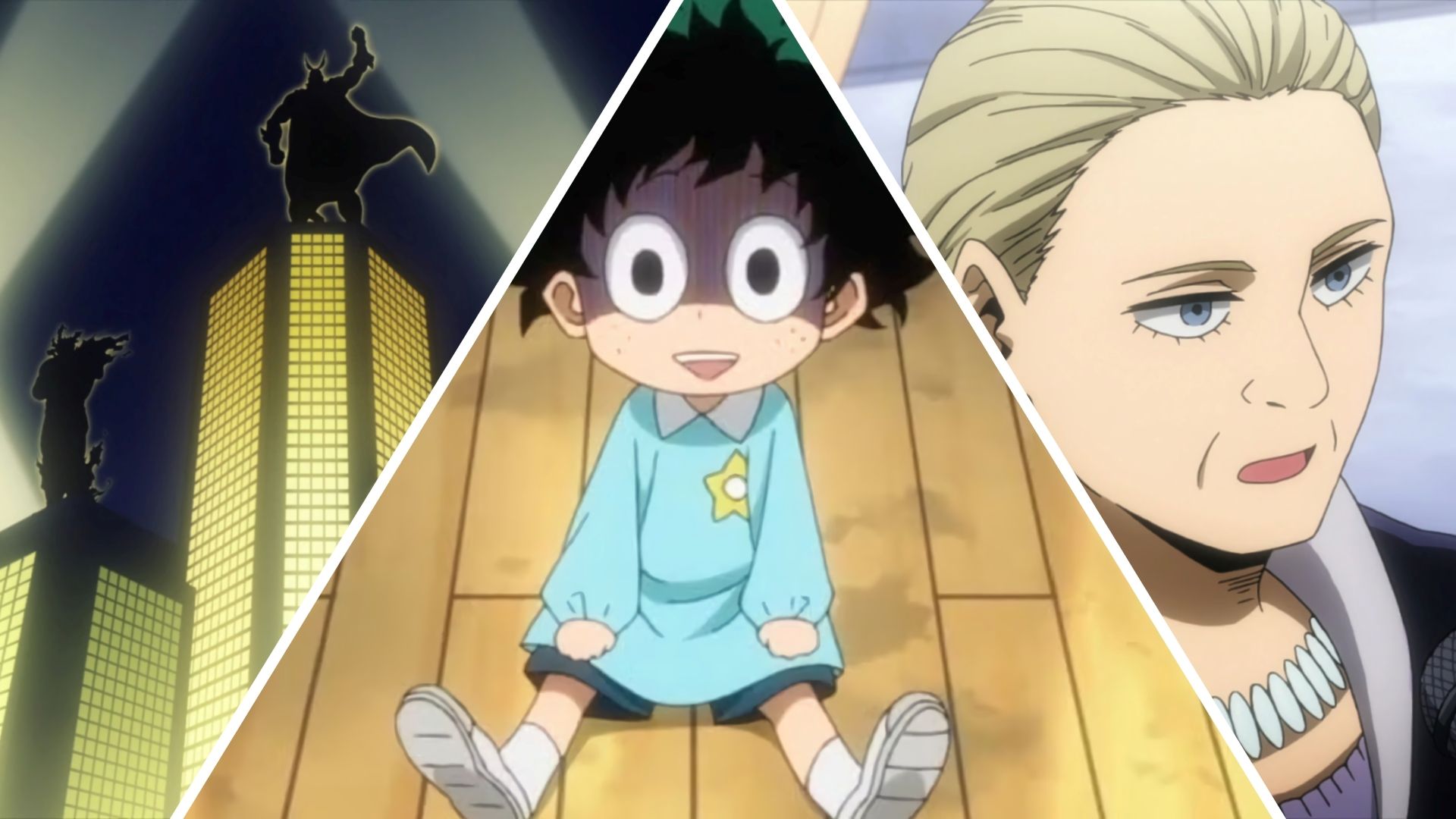
One of the first things fans learn about the My Hero Academia universe is that those unfortunate enough to be born without a Quirk are seen as lesser. After learning that he would never develop a special ability, not only were Deku's dreams crushed, but he also became the target of his classmates’ bullying. In one of the most horrifying moments in the entire show, Bakugo tells Izuku to jump from a roof and pray to be born with a Quirk in his next life.
Unlike other types of prejudice present in the series, such as discrimination against Heteromorph-Type Quirks or powers considered villainous, the horrible treatment of Quirkless individuals is never again addressed. After Izuku enrolls at U.A. High, individuals without any special abilities are simply assumed to be weaker and less useful in society than their counterparts, with even Izuku forgetting the nightmare he went through before meeting All Might.

As Deku’s journey progressed, both the protagonist and the audience began to learn about the deep-rooted corruption that plagued Hero Society, with the Hero Public Safety Commission being its biggest source. The higher-ups of this shady organization controlled every aspect of Japan’s government, from which laws would be passed to where resources would be allocated. They would kidnap and train children to become efficient assassins to eliminate opposition or threaten anyone who could shake the status quo.
By the time the end of the series came around, the HPSC was hinted at having turned over a new leaf, with Hawks being the new president of the organization. While unlikely that Keigo would continue the same practices, this did not address the decades of crimes committed. None of the previous directives were seen being punished for their crimes, nor being removed from their positions.
The battle between Deku and All For One is by far one of the best in the entire My Hero Academia franchise. This intense match for the fate of Japan forced the protagonist to push past his limits, as his defeat would mean the destruction of everything and everyone he held dear. Deku went through hell during the battle, breaking bones, losing his arms, and using the last embers of One For All just to keep his loved ones and country safe.
This is why the fandom was left baffled upon the release of the manga's final chapter, as Izuku was depicted as having been mostly forgotten by the world. Most people in Japan were not even aware of his existence, believing him to be a myth created by the government. He was also forced to abandon his dreams of being a hero, receiving no support or appreciation in return for everything he sacrificed. If not for All Might and his friends, the main character would have spent the rest of his life lamenting his broken dreams.
سەرچاوەی فەرمی بە زمانی ئینگلیزی: https://gamerant.com/my-hero-academia-hero-society-issues-never-addressed/