مادی بەشداربووە لە DualShockers کە JRPGs، ترسناکییەکانی مانەوە، یارییەکانی ئارکێد، یاریکردنی ڕیتڕۆ، تەقەکەر و تایبەتمەندییەکان دەگرێتەوە. لە ساڵی ٢٠١١ەوە بە شێوەیەکی پیشەیی لەسەر یارییەکان دەنووسێت، زیاتر لە دە ساڵ ئەزموونی هەیە لە سەرانسەری لیستەکان، پێداچوونەوەکان، ڕێنماییەکان و ڕۆژنامەگەری یارییەکان.
1998 is generally considered one of the most important years in video game history. It was a year when every single month felt like it had some kind of game that would become legendary, as the first six months featured the likes of Resident Evil 2, Xenogears and Banjo-Kazooie, just to name a few.
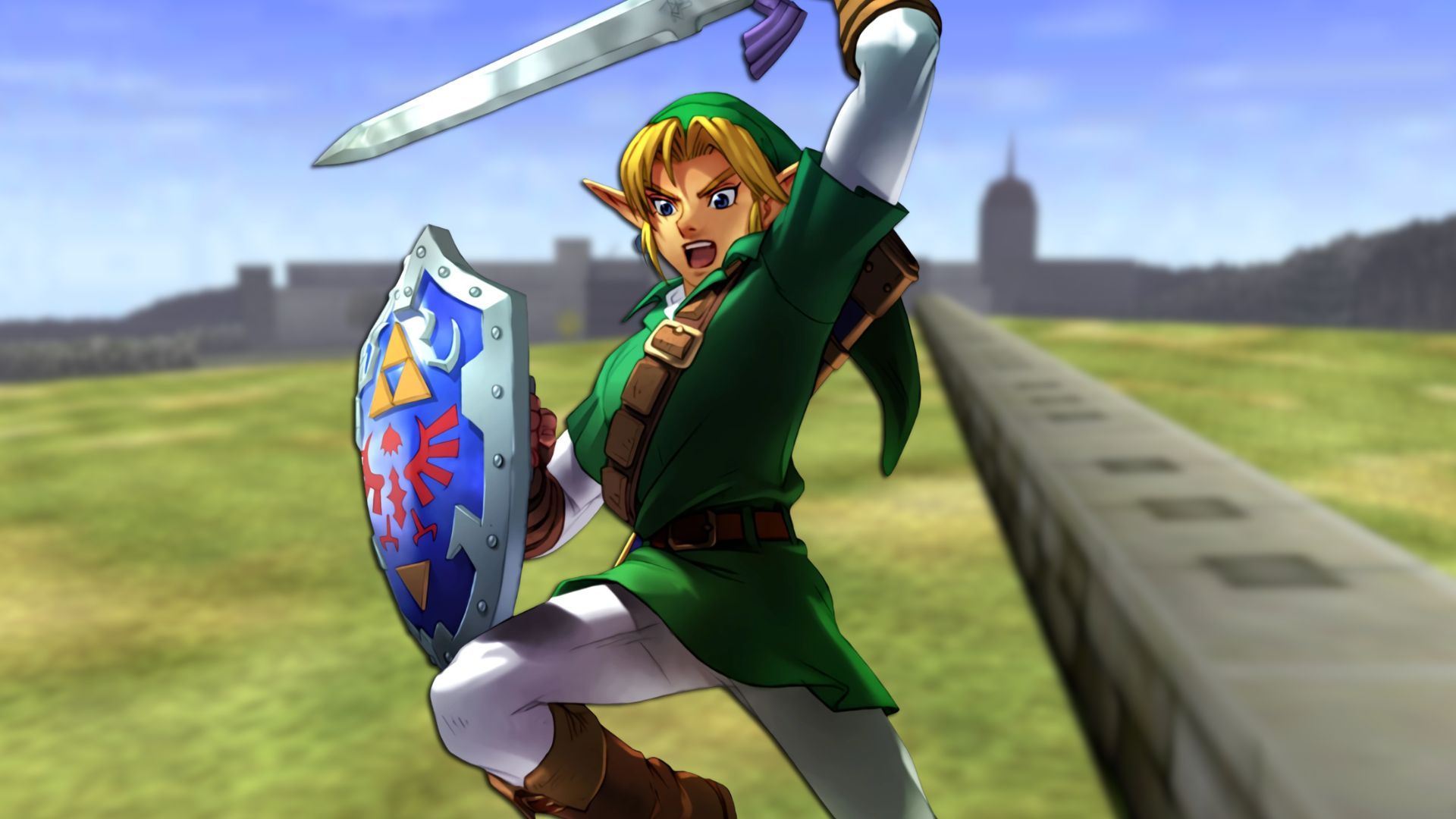
The second half of 1998 was even better, featuring a landmark release that is still considered by some people to be the single greatest video game ever made. The Legend of Zelda: Ocarina of Time was released in November 1998 to worldwide critical acclaim, but a key ingredient to its performance was how it took an IP that had already seen enormous success and transformed it into something completely new.
That was part of Nintendo's MO at the time, as they were constantly trying to figure out ways to reinvent themselves. On a micro level, previous Zelda games were already known for that, but Ocarina of Time was the game that altered the entire trajectory of the franchise in some pretty big ways.

In the first decade of its existence, the Zelda franchise was a pioneer in top-down 2D action gaming. You really couldn't find any game doing it better than Zelda, and with the rise of 3D technology during the mid-1990s, it meant that there was a new mountain for the franchise to climb.
Having done everything that was possible in the realm of 2D game design, Nintendo went to work on Ocarina of Time in 1994. They weren't just jumping on the trend of 3D action games, but rather they were about to invent the trend, and influence the creation of every 3D Zelda game moving forward.
For the first time, Hyrule was seen rendered in 3D. Locations we'd already seen in 2D were now in 3D. Being able to explore places from the franchise's past, like Kakariko Village and the Lost Woods, in 3D was absolutely stunning. Not to mention roaming Hyrule Field, where the real magic of what Zelda was capable of became real.

Open-world games are one of the most popular genres in the entire world right now. They have been for quite a long time, but Ocarina of Time is a game that doesn't usually get as much credit as it deserves for codifying the elements of that design philosophy.


سەرچاوەی فەرمی بە زمانی ئینگلیزی: https://www.dualshockers.com/big-things-that-ocarina-of-time-changed-about-zelda/