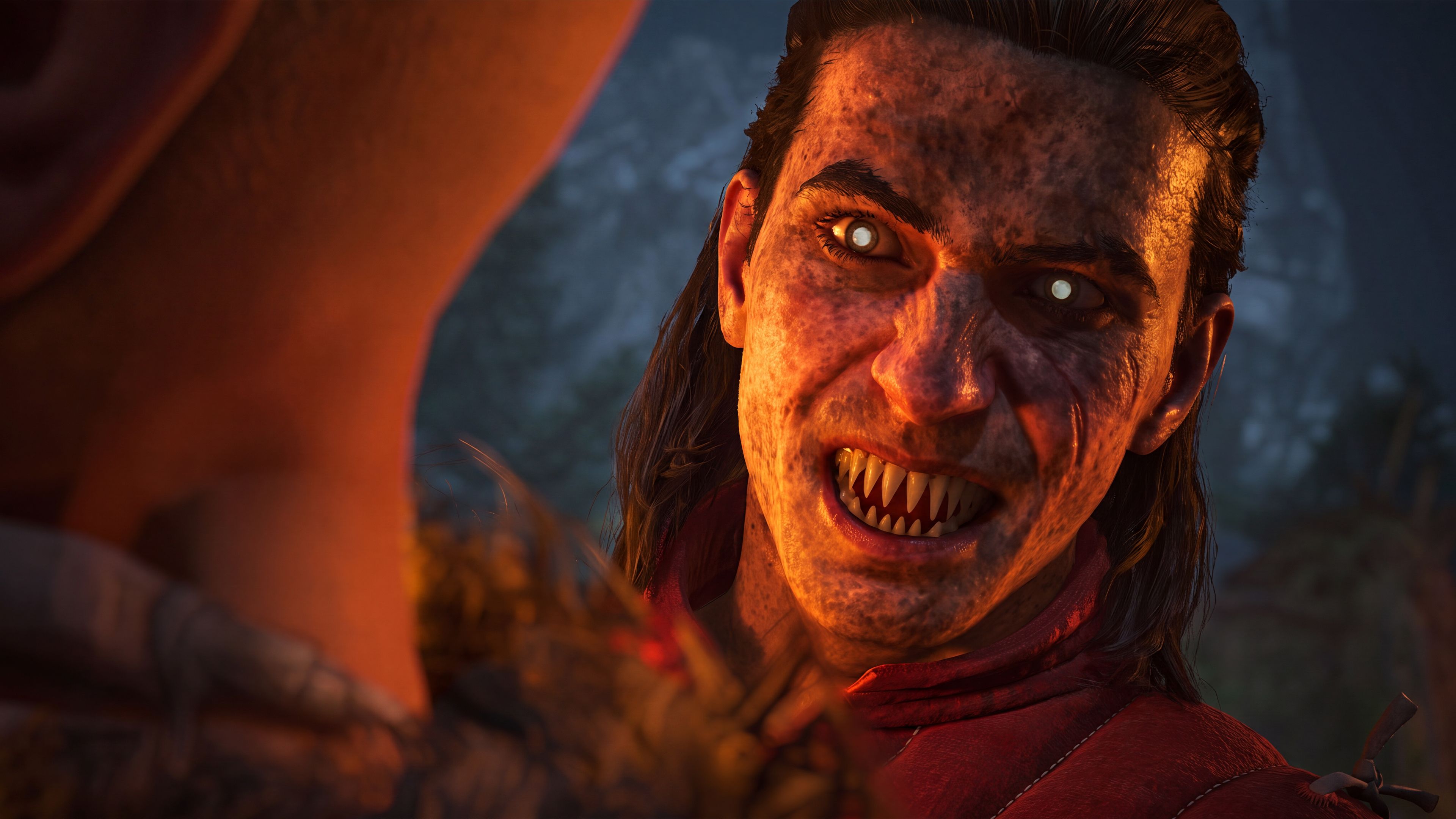
There are moments in The Blood of Dawnwalker when I can see exactly what Rebel Wolves was aiming for, and sometimes, it works incredibly well. Its opening hours hooked me almost immediately, Coen and his relationships with the people around him were exceedingly easy to care about, and the idea of spending a limited amount of time chipping away at Brencis' vampire court piece by piece, looked like, from a safe distance, exactly the kind of open-world RPG I could lose myself in for dozens of hours. Throw in choices that can completely change how certain encounters play out, including the possibility of turning some of the game's bosses into allies, and there is a version of The Blood of Dawnwalker hiding in here that I would probably love.
Unfortunately, actually playing The Blood of Dawnwalker regularly feels like stepping back into an era of open-world RPGs that the genre has spent the last decade trying to move away from. Its world is enormous but strangely empty and lifeless, its activities quickly begin repeating themselves, its combat loses some of its appeal once the same handful of enemies start showing up everywhere, and one of its most important mechanics is so inconsistent that I eventually stopped trying to understand the logic behind it. Add stiff character animations, awkward and infuriating platforming, questionable performance across the board, and a frankly ridiculous number of bugs to the mix, and The Blood of Dawnwalker starts feeling like it has arrived at the party about 10 years too late—at least.

The Blood of Dawnwalker wastes no time at all giving you a reason to care about Coen and the people around him, as its prologue is easily one of the strongest parts of the entire game. Watching Coen become a vampire and then struggle with his newfound urges is immensely satisfying, and the fact that it's all happening while you're learning the ins and outs of The Blood of Dawnwalker's various mechanics and systems makes it feel like you're genuinely on this journey alongside him. Meanwhile, Brencis is established as a legitimate threat, Coen's family gives the whole narrative some real stakes, and by the time the prologue is over, it's easy to be just as hungry for the remainder of the story as Coen's vampiric thirst makes him for blood.
The Blood of Dawnwalker wastes no time at all giving you a reason to care about Coen and the people around him...
Thankfully, that isn't something The Blood of Dawnwalker completely loses once the prologue is finished. The story itself continues to be one of the game's stronger elements, especially when it comes to Coen's relationships with the people closest to him. His interactions with characters like Anca are easily some of the most memorable moments in the story, and most of the dialogue between the game's primary characters is actually worth listening to rather than something I found myself impatiently skipping through. There is quite a bit of dialogue here too, but that rarely became a problem for me because the characters are generally interesting enough. Even when I felt like I could predict where a conversation or story beat was probably headed, I still wanted to hear it play out.
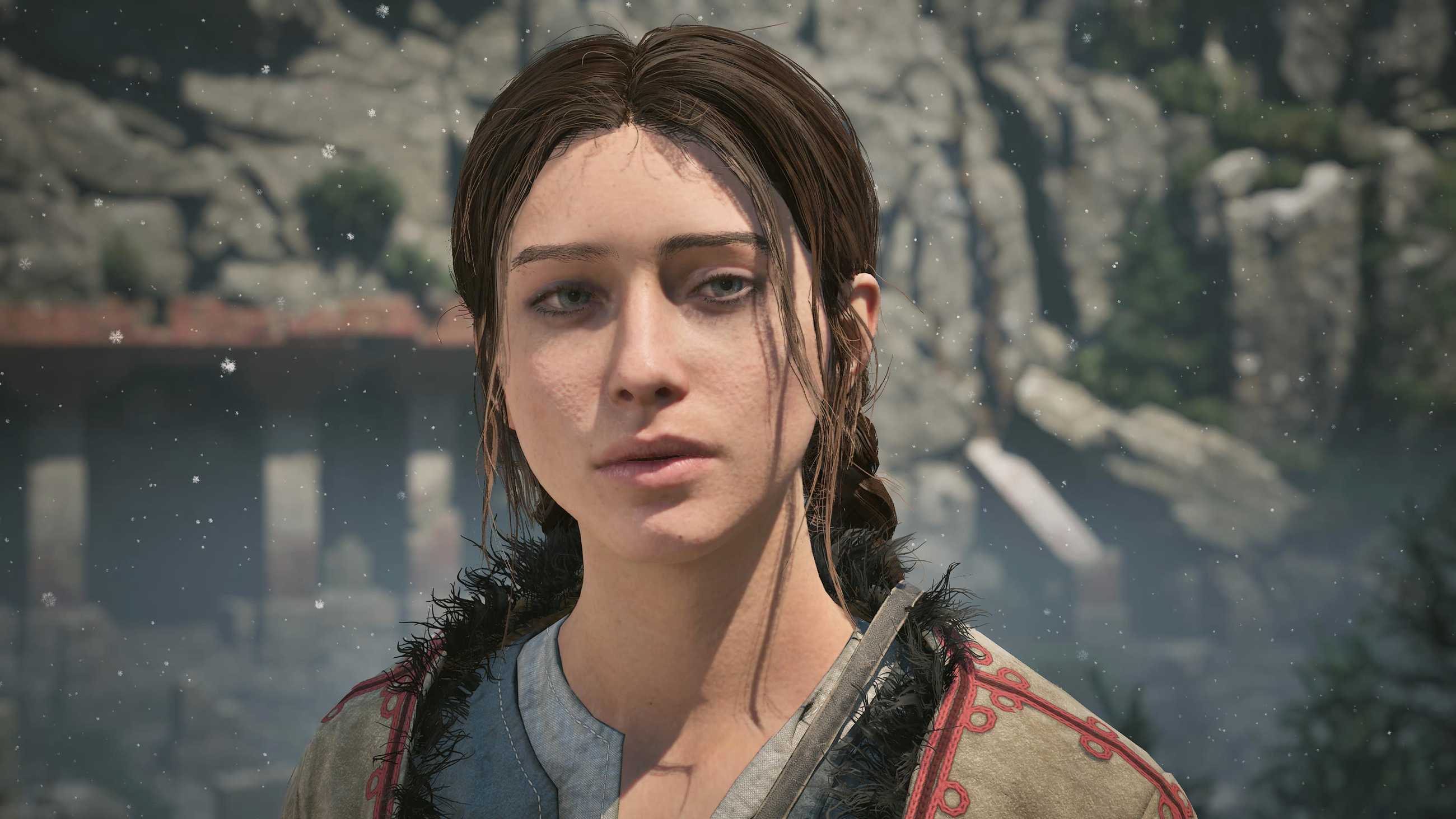
Many of The Blood of Dawnwalker's side characters get surprisingly worthwhile stories of their own as well. There were side quests I was interested in, not because of the rewards I had a feeling they'd offer, but because I wanted to see where the characters at the heart of their stories ended up. They aren't The Witcher 3's side quests, mind you, and I can confidently say they miss those by a few miles. Still, this is one of the better compliments I can give an RPG like this, because The Blood of Dawnwalker does occasionally manage to make its smaller stories feel like they actually matter in the grand scheme of things. And the choices those quests made available to me made them even more interesting, especially when they affected a character's future, their view of Coen, or where they eventually end up later on in the main narrative.
The problem, though, is that actually getting through some of those quests can feel like a slog because the gameplay is essentially the same in every single one of them—every single one. Talk to a character, go somewhere, inspect something, gather clues, fight some enemies, go somewhere else, gather more clues, fight more enemies, and so on. The dialogue never made me impatient, but the gameplay certainly did. There are only so many times I can walk into another combat encounter, deal with another group of the same enemies, search another area, or repeat some slight variation of something I have already done before it starts feeling like a fever dream I can't get out of. Of course, those are issues deeply rooted in The Blood of Dawnwalker's gameplay as a whole, not necessarily with the quests themselves, which is why I have no problem praising the quests while calling out the gameplay for what it is.

What's interesting is that, if you really wanted to call The Blood of Dawnwalker "The Witcher 3 with vampires," you absolutely could, as it's true in many ways. The "inspect" feature I just mentioned is basically Coen's Witcher sense, which allows him to see clues in the environment like footprints, blood trails, symbols, and more. The way Coen swings his sword is an awful lot like the way Geralt handles his own, and even The Blood of Dawnwalker's soundtrack feels like something that belongs to a true Witcher 3 spin-off. But that's where my comment that The Blood of Dawnwalker is about 10 years too late becomes criticism, because even The Witcher 3, as great as it is, was criticized for having repetitive mechanics supporting unusually strong content in 2015.

سەرچاوەی فەرمی بە زمانی ئینگلیزی: https://gamerant.com/blood-of-dawnwalker-review/