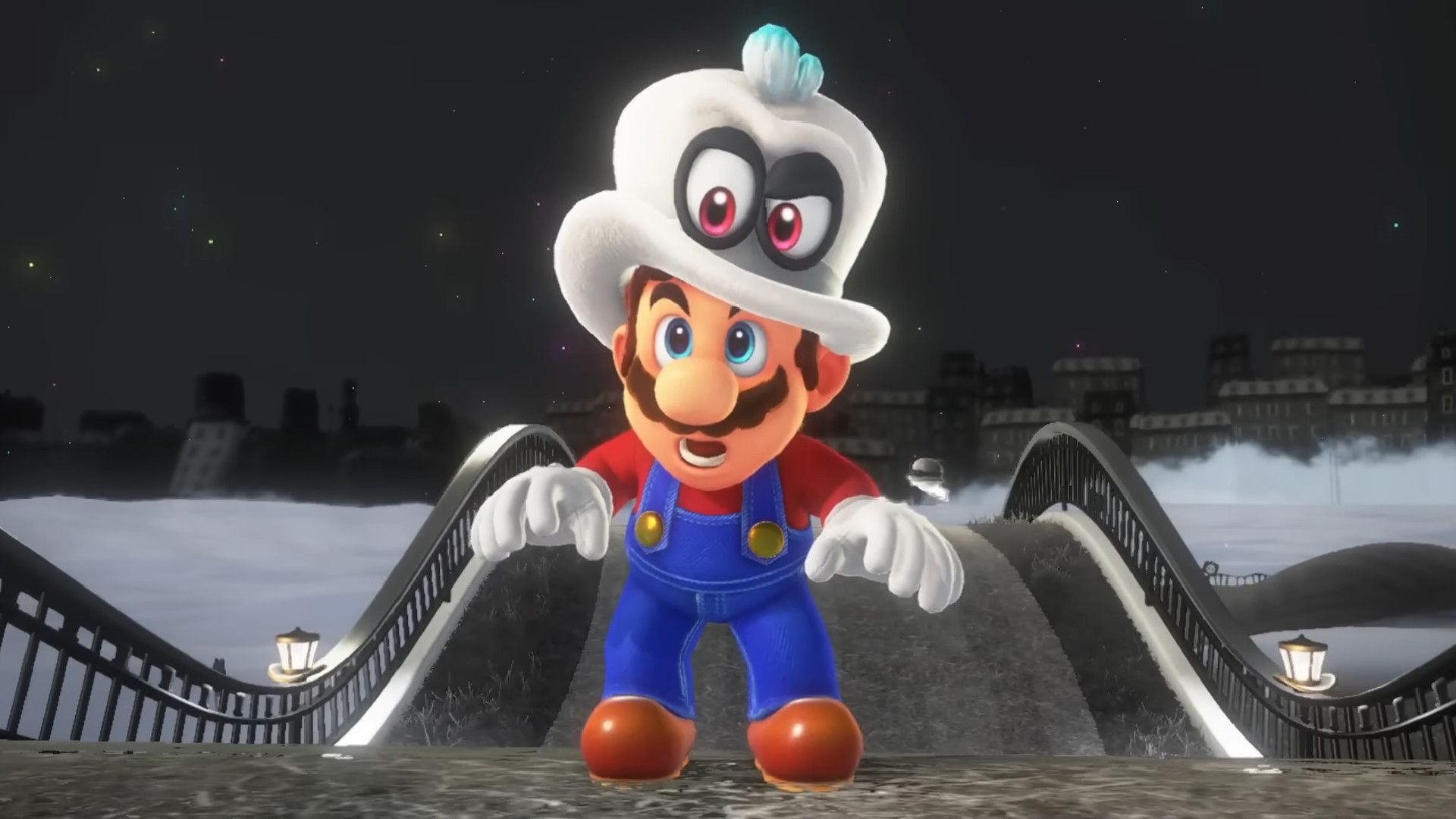
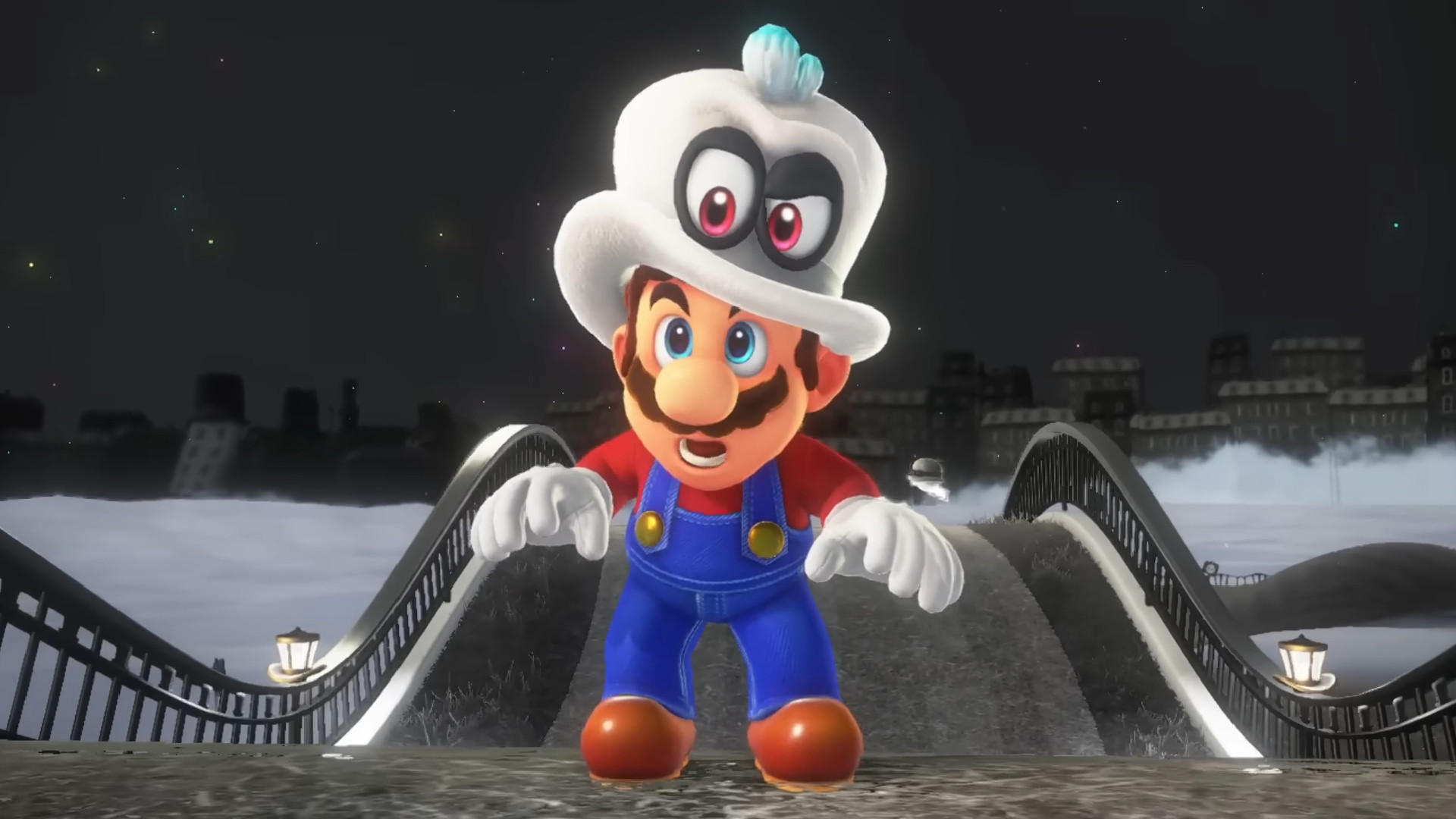
When a game like Super Mario Odyssey or The Legend of Zelda: Breath of the Wild arrives, it feels monumental, and Nintendo has made a point of not oversaturating us with sequels in its biggest series. That's been the company's approach for decades, and late president Satoru Iwata described it succinctly back in 2006.
"If all we were to ever do is just continue to make sequels and not do anything new or different," Iwata told Stephen Totilo at MTV News, "people would view us as a very conservative company and a company that is unwilling to really take new initiatives and embark on new adventures. That's not the type of person I am and not the kind of company I want Nintendo to be."
That line would've sounded pretty radical at the time, when Nintendo had spent years competing against the fast-rising PlayStation and Xbox brands on roughly even terms. Despite the acclaim that games like Super Mario 64, Ocarina of Time, Super Mario Sunshine, and Wind Waker enjoyed, the N64 and GameCube were both being left in the dust by the competition.
Iwata was speaking in the shadow of the Revolution – that is, just after the reveal of the motion-controlled console that would eventually be known as the Wii. Nintendo was already making waves with the DS and its lineup of casual-focused titles, like Nintendogs and Brain Age, which were rapidly expanding the gaming audience. There were real concerns that Nintendo was leaving behind its core audience, but what could it do when that core audience was rapidly shrinking?
"We're going to continue to serve, of course, the people who are looking for those classic Zelda experiences and those classic Mario experiences," Iwata said. "At the same time, we're going to offer these new experiences to people who haven't played games before. And these may be people who only play for very short periods of time in a day. … People can expect to see both the classic style of game that we've done in the past and these entirely new different styles of gameplay."
It all sounds downright prophetic now, when the Wii and DS turned out to be two of the most successful video game platforms ever created, powered largely by games that broke the traditional mold. It wasn't a perfectly smooth ride – the 3DS barely survived its rough launch, and the Wii U was an even bigger disaster – but you can see the results of Nintendo's strategy in the company's post-Switch golden age.
Nintendo was, and still is, driven by a fairly small number of familiar franchises. As Iwata explained, "we have a very large fanbase of people who expect to see sequels to those games." But radical reenvisionings like Super Mario Odyssey and Breath of the Wild show that the company is still adhering to Iwata's old wisdom. "It is our responsibility to meet the expectations of that fanbase, but in doing so, the one thing we absolutely focus on with every one of those sequels is finding ways to innovate within that franchise."
هەفتانە هەرسکردنەکان، چیرۆکەکانی ئەو کۆمەڵگایانەی کە خۆشت دەوێن و زۆر شتی تر

سەرچاوەی فەرمی بە زمانی ئینگلیزی: https://www.gamesradar.com/games/late-nintendo-president-satoru-iwata-never-wanted-tons-of-mario-and-zelda-sequels-because-thats-not-the-kind-of-company-i-want-nintendo-to-be/