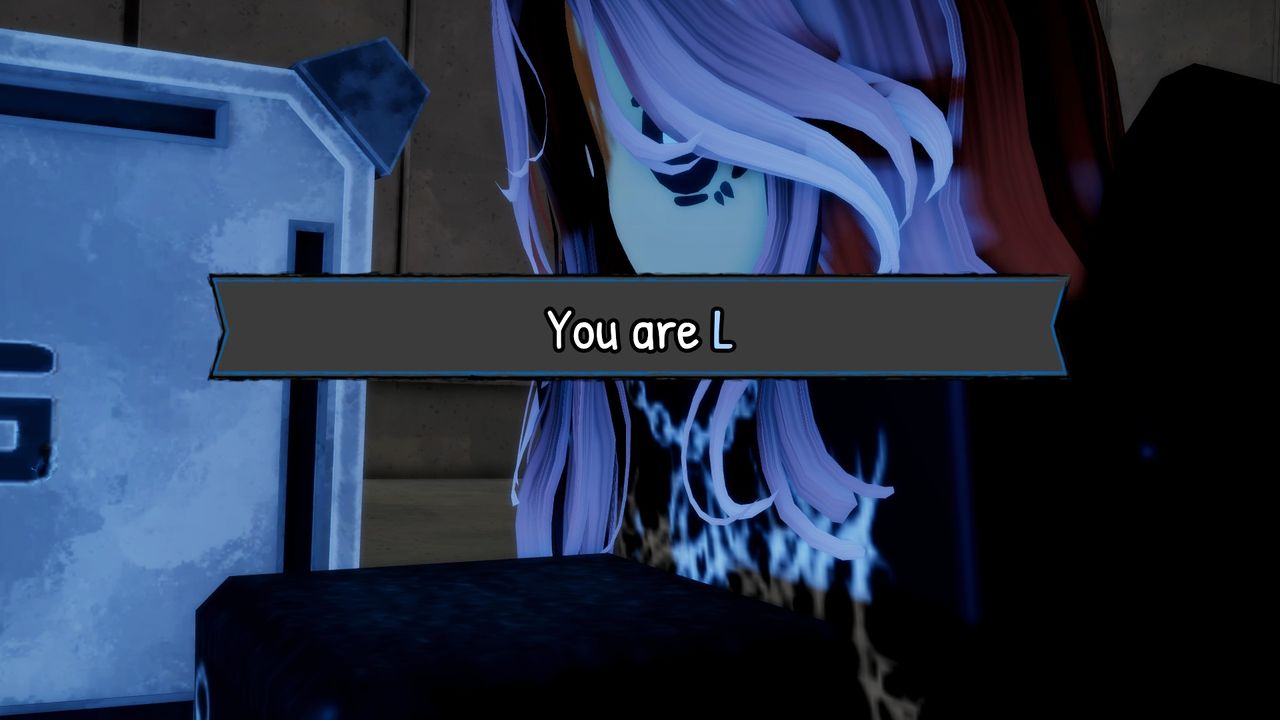

The development team behind Fire Emblem: Fortune's Weave has discussed the choice to provide just one save file — and why it shouldn't matter.
Nintendo and Intelligent System's promising-looking strategy RPG features four swappable protagonists during its first half, plus numerous ways to customize each character and recruit an array of followers. But the game has been designed in a way that rewards the player if they do replay certain sections, and no content is permanently missable.
Indeed, the idea that players' experiences can converge into one overall progression path mirrors the game's own structure, which switches to a single hero for its latter half, aided by the four protagonists that players have already come to know and (hopefully) love.
"The idea of things converging into one is a core concept behind the story, and in terms of gameplay, we believe that everything players experience in the game has value," director Toshiyuki Kusakihara said, as part of an Ask the Developer interview. "The basic idea was to create a system where nothing players go through is ever wasted. Everything is preserved and eventually coalesces into a whole. In Fire Emblem: Fortune's Weave, players can progress through multiple paths simultaneously as well as replay the same path multiple times. To ensure that none of the experiences players had accumulated would go to waste, we felt that consolidating everything into a single save file was the best approach for this game."
"Of course, I’m sure there are players who prefer to keep multiple save files, and I'm actually one of those players myself," associate producer Kenta Nakanishi said. "But because the game system of Fire Emblem: Fortune's Weave is built around multiple paths, having separate save files would create system-related complications. It becomes difficult to keep track of how far players have progressed in each protagonist's story when that progress is spread across multiple save files. So rather than simply limiting the game to a single save file, we added other creative ideas to make the system work better.
"In this game, we preserved save data from the start of every chapter for each main protagonist, and made it possible for players to jump back to those points," Nakanishi continued. "If players think, 'I want to play this chapter again', they can play again from the beginning of the selected chapter. This feature isn't just for replaying chapters, either. Players can use it to review maps, revisit specific cutscenes, or even retry particular battles, so we hope players will make full use of it."
"On top of that, players can repeatedly go back into the past using the Goddess of Fate's power and retry situations as many times as they like," Kusakihara concluded. "In that sense, I think the game's system ties in very closely with the story, as both revolve around the concept of retrying, building upon past experiences, and ultimately weaving those experiences together into a single outcome."
While telling a standalone story, Fortune's Weave is a clear successor to the Switch's hugely-popular Fire Emblem: Three Houses, with many of the same development team returning, and the game itself featuring familiar elements and at least one returning character. For this follow-up, its developers were keen to expand Three Houses' trio of teams, and initially wanted a whopping eight characters to follow. This was then ultimately halved to four, with Eshmel later added as a fifth, to tie the game's opening quartet together.
سەرچاوەی فەرمی بە زمانی ئینگلیزی: https://www.ign.com/articles/fire-emblem-fortunes-weave-developers-explain-why-you-only-need-1-save-file-and-that-the-game-originally-had-8-protagonists