دانیال ترۆک بەشداربووە لە کۆمپانیای DualShockers کە تایبەتە بە یارییەکانی کۆمپیوتەر و لیستەکان و پێداچوونەوەکان. لە ساڵی ٢٠١٨ەوە بە شێوەیەکی پیشەیی دەنووسێت و لە ساڵی ٢٠٢٠ەوە یارییەکانی ڕووماڵ کردووە، کارەکانی پێشووی ڕێنمایی، هەواڵ، لیست و پێداچوونەوە لە چەندین بڵاوکراوەدا دەگرێتەوە.
پێش ئەوەی پەیوەندی بە DualShockers بکات، دانیال بەشداری لە ڕێنماییەکانی GamerJournalist و لیستەکانی TheGamer کردووە. لە ئێستادا بابەتەکانی تەکنەلۆژیای SlashGear و BGR دەگرێتەوە. خاوەنی بڕوانامەی بەکالۆریۆسە لە دەروونناسی لە کۆلێژی ماریست و ماستەر لە هونەرە جوانەکان لە نووسینی داهێنەرانە و پیشەیی لە زانکۆی ویلایەتی وێستەرن کۆنتێکتیکۆت.
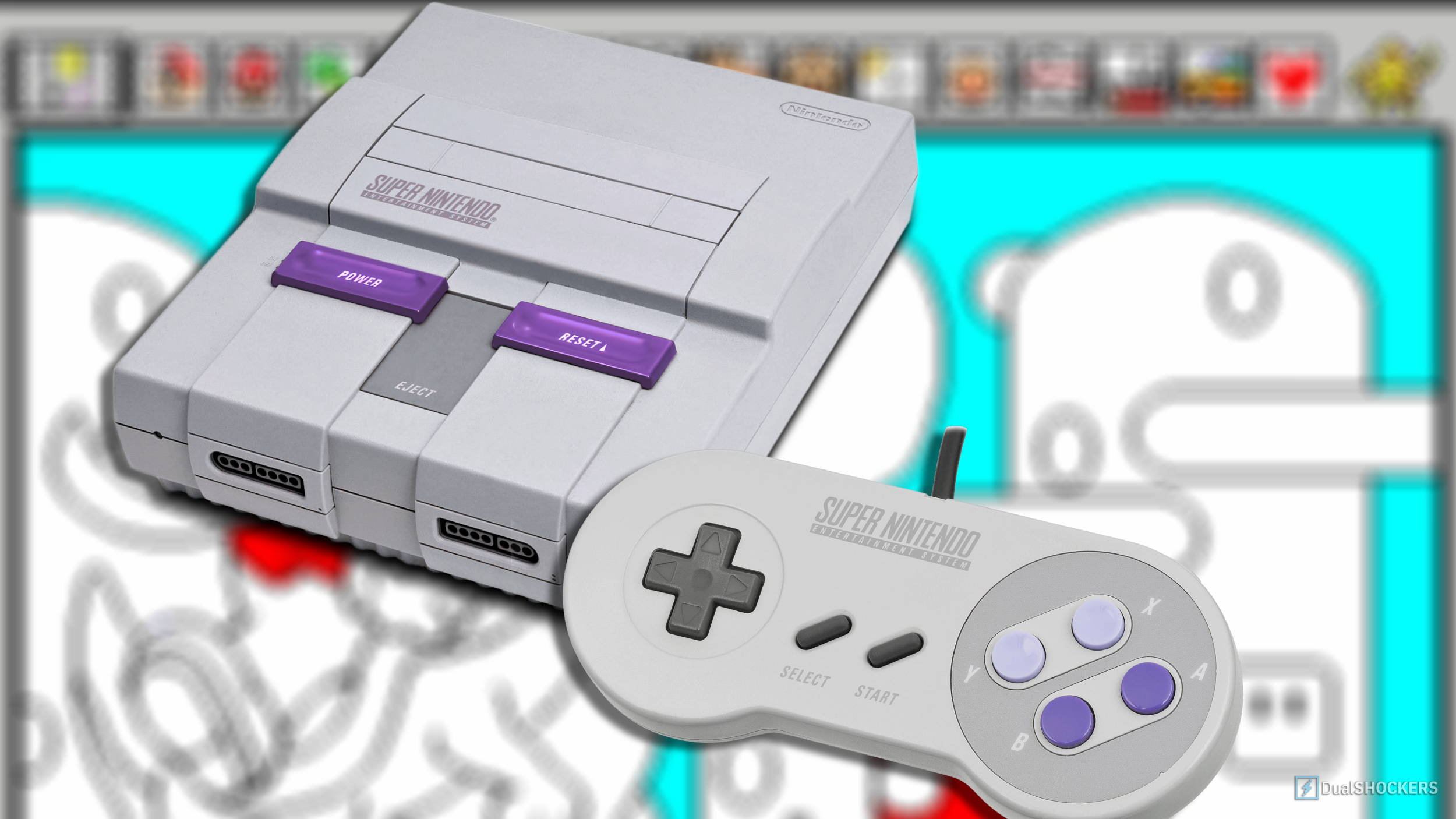
On August 23, 1991, a little less than a year after its release in Japan as the Super Family Computer, the Super Nintendo Entertainment System officially hit American shelves. Nintendo had managed to get itself firmly situated in the then-burgeoning home game console industry thanks to the success of the NES, but if it wanted to stay in the game, it needed a haymaker. The SNES was that haymaker, and boy howdy, did we all feel it right in the kisser. In a good way, I mean.
While the SNES may seem primitive by today’s standards of gaming hardware and software, you have to understand that, in its time, it was a very big deal, to say the least. Obviously, the legendary game library of the SNES needs no introduction, but the games weren’t the only aspect that made this console so incredible. The SNES was Nintendo’s brainchild, a combined effort to bring about a true next step forward from the 8-bit days of the NES. It was the SNES that set the standards for the console wars of the 90s, and it was the SNES that established the beloved standards of 16-bit art and gameplay that we still love today.

While most modern televisions have at least two built-in speakers providing stereo surround sound, that wasn’t necessarily the case back in the 80s. Earlier TVs only had one speaker, usually on the front next to the screen. This worked fine for the NES, which only had mono sound output via five audio channels, but the SNES wasn’t satisfied with that. No sir, the SNES gave it to you with both barrels.
The SNES was Nintendo’s first console to be equipped with stereo sound output, provided via a proprietary standalone sound chip produced by Sony, well before Sony got into the gaming biz itself. Not only did the SNES’s sound chip give it stereo surround sound, which improved its audio quality in general, it was also equipped with three more audio channels than the NES, which meant it could play more complicated, multilayered music and sound effects without having them cut in over each other.

Considering the entire point of owning a game console versus a gaming PC these days is not having to think about what kind of hardware is actually in there, I certainly wouldn’t expect anyone to spare a thought to what’s inside the SNES, either now or in its era. However, compared to its predecessor, there was actually some pretty nifty hardware in there, which allowed it to display such improved graphics over the 8-bit age.
As opposed to the NES’s Picture Processing Unit, the SNES featured two different PPU chips working in tandem to create a system collectively known as the Super Picture Processing Unit, or S-PPU for short. The first PPU chip renders the actual graphics, including sprites, maps, and what have you, while the second PPU chip overlays visual effects like fading, mosaic, and other cool stuff like that. This allowed for much more dynamic graphical presentation, especially for things like explosions or heat hazes. You know how, when you beat an enemy in Final Fantasy IV, they kind of fizzle out in a cool visual effect? That’s S-PPU power, baby.


سەرچاوەی فەرمی بە زمانی ئینگلیزی: https://www.dualshockers.com/ways-snes-changed-the-world-35-years-ago-today/