
This is an opinion piece from writer Tim Brinkhof. IGN's opinion columns represent the personal viewpoints of the writer, drawing on their own experiences and research to explore the exciting world of video games.
It feels strange to say after so long, but it’s an exciting time to be an Elder Scrolls fan. Confirming news leaked – of all places – in a news report from The Verge about AI-related layoffs at parent company Microsoft, developer Bethesda has not only given us a title for The Elder Scrolls 6, Sentinel, but also a quote, one that suggests the story will have something to do with time travel.
“The scroll offered only a shimmer, a veil thinly lifted to my eyes,” it says. “A future lost. A victory undone. Sands of time scattered by fate.” The quote is attributed to Yazar, Moth Priest of High Queen Iradne of Hammerfell, and dated 4E 206. It reveals two things: first, that Sentinel takes place half a decade after the events of Skyrim, and second, that Hammerfell is our next destination, the region of Tamriel home to the titular Sentinel city. And it’s that region that gives me the most to look forward to.
Though Skyrim will always have a special place in my heart, its very typical medieval fantasy aesthetic and culture saw The Elder Scrolls stray from its eccentric and otherworldly roots. A game set in Hammerfell, Skyrim’s complete opposite in climate and much else, could turn out to be the return to those roots that I have craved for over a decade. But can the developers deliver, or will they simply replace snow with sand?
Before I get into it, let me make it clear: I do not dislike Skyrim. I loved the game when it came out in 2011, and still have a lot of love for it today. I love the game’s atmosphere, and still listen to Jeremy Soule’s ethereal soundtrack – it’s often the music that lulls me to sleep. I love the designs of cities like Solitude and Markarth, and share in the popular opinion that Ulfric, Cicero, and Paarthurnax are among some of the most interesting and iconic characters that Bethesda has ever created.
One thing I don’t love as much as I did back when the game was released is how much its world reminds me of other popular fantasy franchises like The Lord of the Rings and especially Game of Thrones, which started airing just a few months before Skyrim arrived. Compared to Oblivion and Morrowind, Skyrim feels if not uninspired, then at least a little too familiar. Whiterun, as many have noted, is basically Edoras, while Ulfric’s battle for northern independence may well have been inspired by Robb Stark’s own struggles as King in the North in George R.R. Martin’s original novels.
While Bethesda isn’t to blame for this (at least, and I’ll get to this shortly, not entirely), the game’s unfavorable comparison to Oblivion and Morrowind still stands. I played both these predecessors only after completing Skyrim and didn’t expect to like them as much on account of their technical limitations. Instead, I ended up liking them more, partly because of their stranger, less familiar settings.
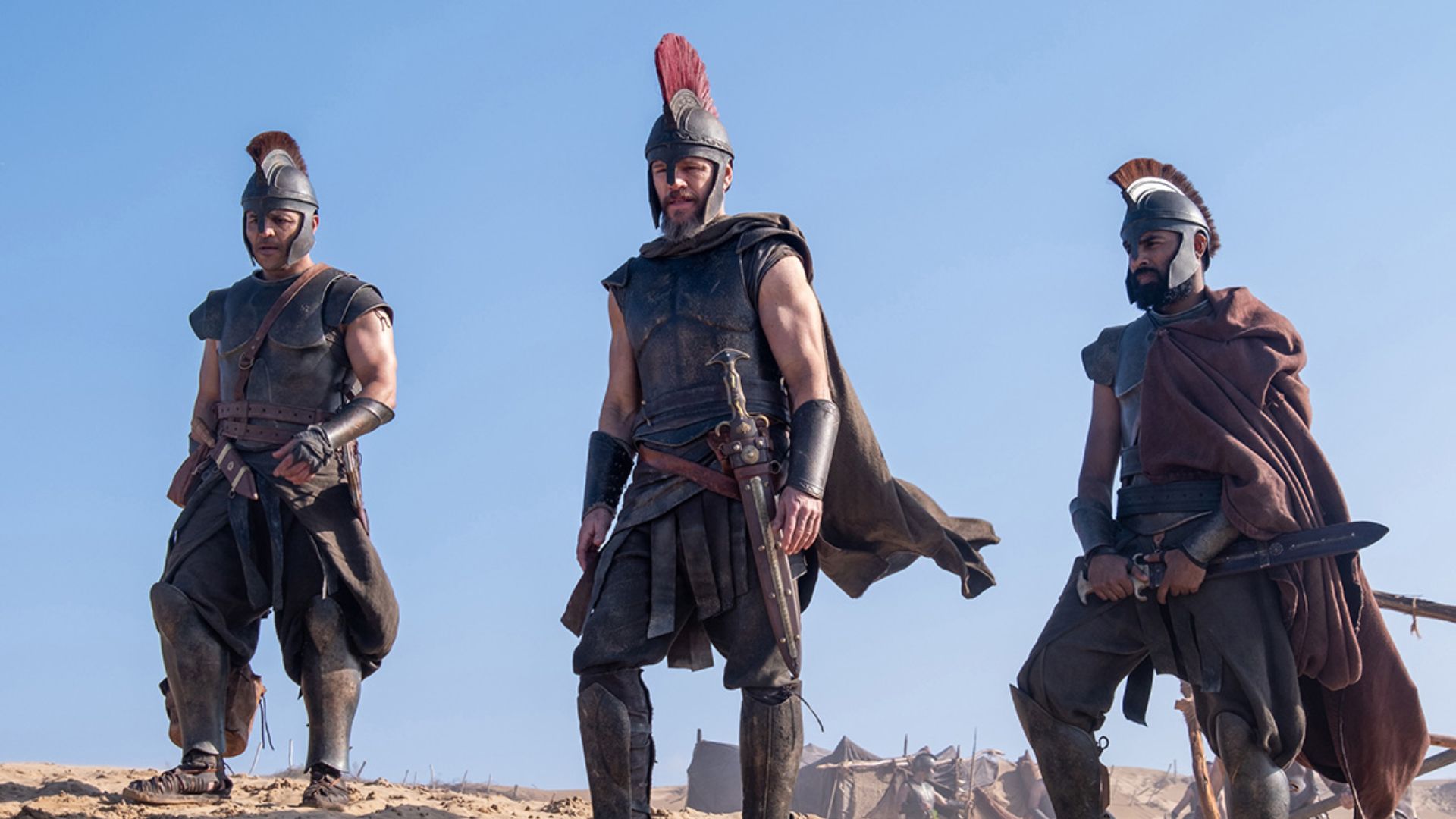
Where Skyrim’s Skyrim is inspired by the classic fantasy template of medieval Europe – particularly Viking Scandinavia – Oblivion’s Cyrodiil takes after ancient Rome, a time period and region that’s less frequently mined by high fantasy. The resemblance is also far less on the nose than in Skyrim, ensuring Cyrodill feels distinctly like its own place. The world is rendered even more fantastical thanks to invading Daedric forces, with large chunks of the game taking place in the hellish Deadlands, home to Mehrunes Dagon.
سەرچاوەی فەرمی بە زمانی ئینگلیزی: https://www.ign.com/articles/im-excited-for-elder-scrolls-6-sentinel-to-be-nothing-like-skyrim