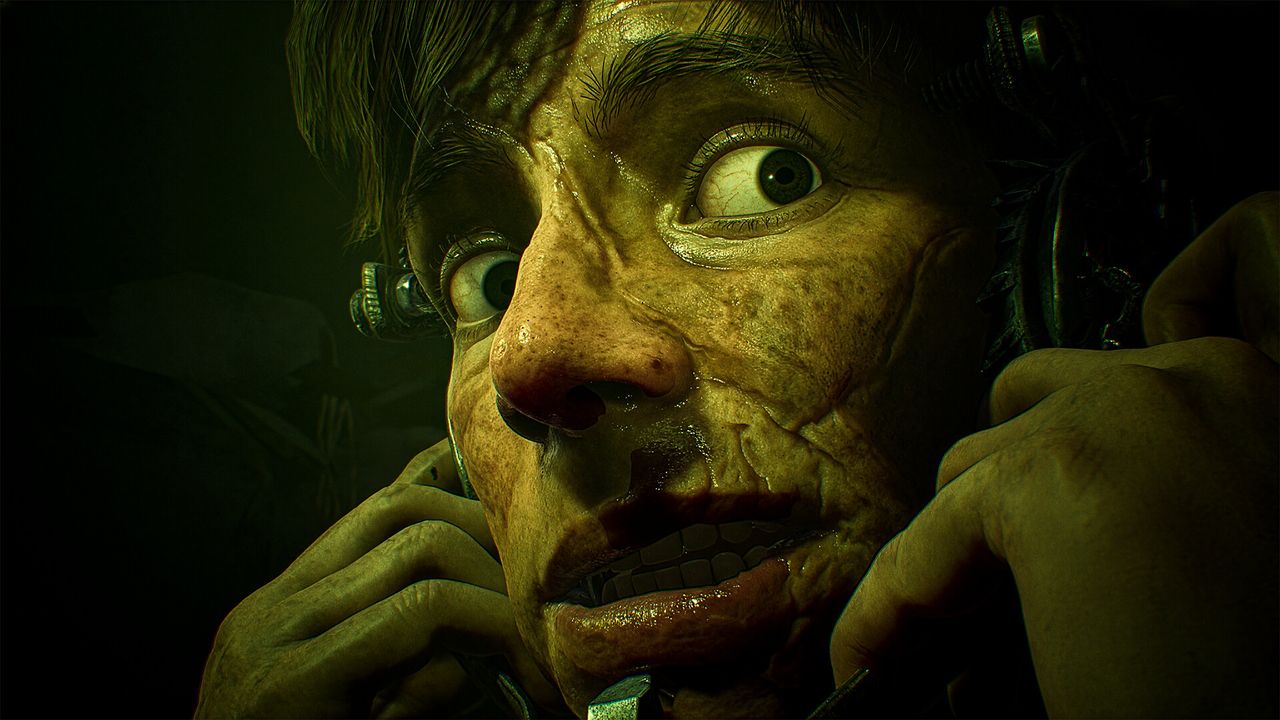
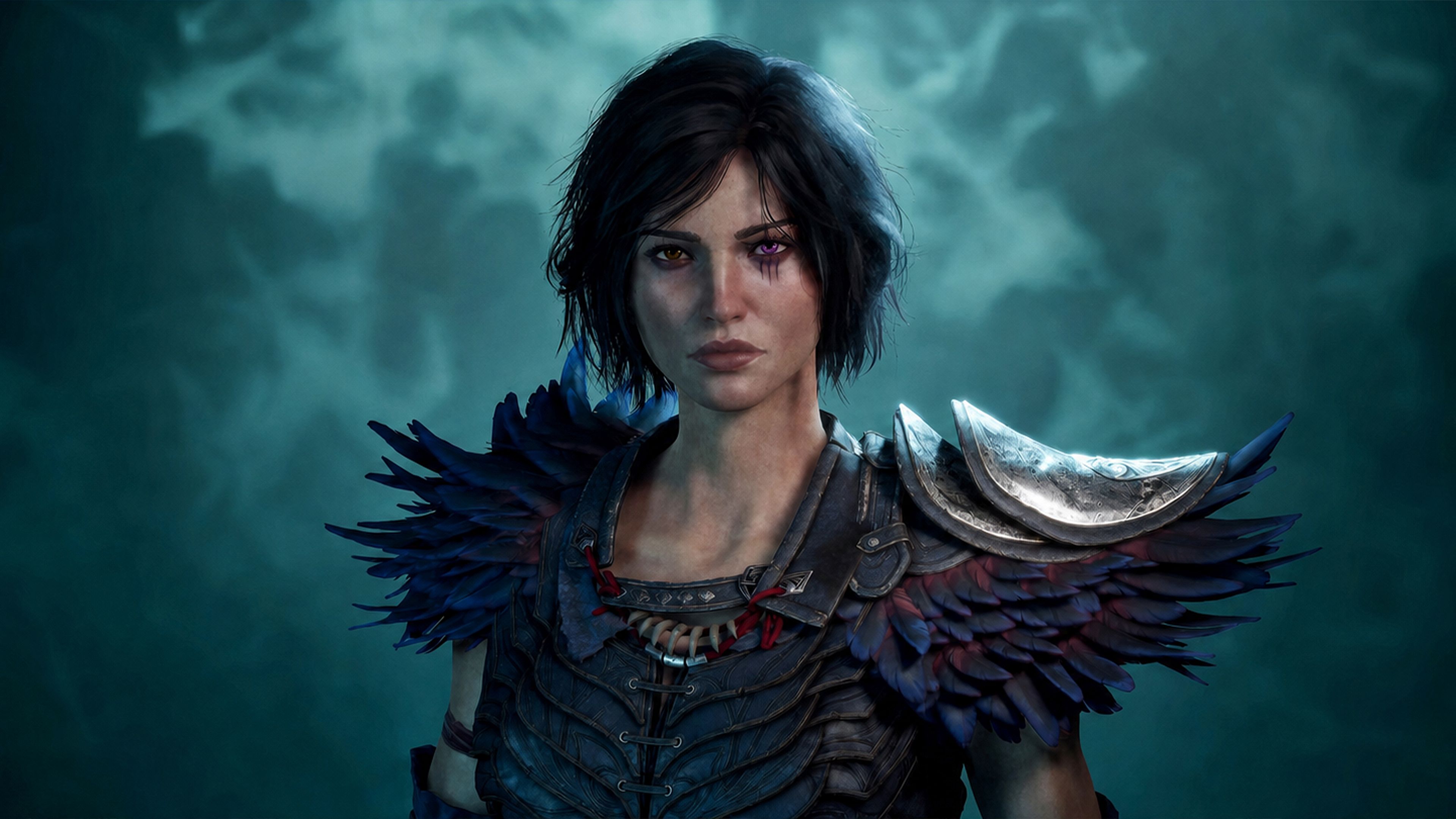
Warlock: Dungeons & Dragons turned up at Gamescom 2026 Opening Night Live with eight full minutes of gameplay, which is a seriously confident move for a game that had shown nothing but a Tool-scored teaser until now, and continues to lack a set release date beyond 2027. It wasn't a perfect outing due to some narrative shaky spots, but all things considered, that confidence seems to have paid off in spades. Even now, Warlock looks like a devilishly good time, and a lot of that comes down to how versatile the deftly adapted D&D magic system already looks—both in combat and in how players guide protagonist Kaatri through the world.
Developer Invoke Studios describes this Warlock's magic as a "toolbox", and that's not a teaser joke, it really shows: over eight minutes, Kaatri levitated enemies in the air, and a sword off the ground into another foe's face. She created her own magically rooted platforms to jump onto, misty-stepped through both combat and traversal obstacles alike, and even pulled water from a stream to douse a fire she herself had started to clear a path through the environment. It was all magic, all the time, and since most open-world RPGs to come out in the last decade have missed the bus on emergent gameplay like that, it was wildly impressive how organic Warlock's magic looked.


Of course, Warlock isn't technically an RPG, at least according to Studio Head Dominic Guay, who described Warlock as a real-time open-world action-adventure with RPG systems layered in as he fielded questions in a Q&A held after the gameplay reveal. But since existing magic mundanity lies more with the open-world part of that phrase, I think the comparison is actually better. In that sense, Warlock is doing something that games far more comfortable calling themselves RPGs have traditionally declined even to try.
کۆنسۆڵەکان بە ڕیزبەندی دروست دابنێ.
کۆنسۆڵە هەڵبژێردراوەکان لە نزمترینەوە بۆ بەرزترین ڕێکبخە.
The standard arrangement in this genre is that magic is mostly a combat vocabulary: regardless of the form it takes, be it a buff, a ranged spell, or a summon, it all works toward the same goals—doing damage, healing it, or preventing it. Elements like traversal can play a role in the best cases, but even that is usually relegated to entirely separate systems: mounts, stamina bars, or fast travel. Some critics may disagree, but I think Hogwarts Legacy is an unfortunately great example of this, as despite being a game entirely about wizards, the broom or legwork is all players have to move around, and most environmental spells don't pull double duty, instead working as keys with one correct use each.

That standard fare is certainly reasonable from a development standpoint, given most authored quest design depends on sequence control, or knowing where the player is and what tools they have. But watching Kaatri throw Misty Step, Levitate, and Witch Bolt around with no regard for spell slots is intoxicating because they are consistently layering into bespoke gameplay opportunities. Warlock's spells work together and have more than one job: Black Tentacles pins an ogre enemy to the ground so Kaatri can rip a sword from it with Tasha's Leash and score a killing blow, but in a different moment, it's able to embed into a wall, catch a levitated chunk of stone, and create a platform to jump across a gap.
In Warlock, other higher-level D&D spells like Gust of Wind have also been demoted to cantrips for the sake of gameplay flow; short rest bookkeeping works for the tabletop, but reducing the resource cost likely makes for a better action-adventure game.
سەرچاوەی فەرمی بە زمانی ئینگلیزی: https://gamerant.com/warlock-dungeons-dragons-open-world-magic-system/