

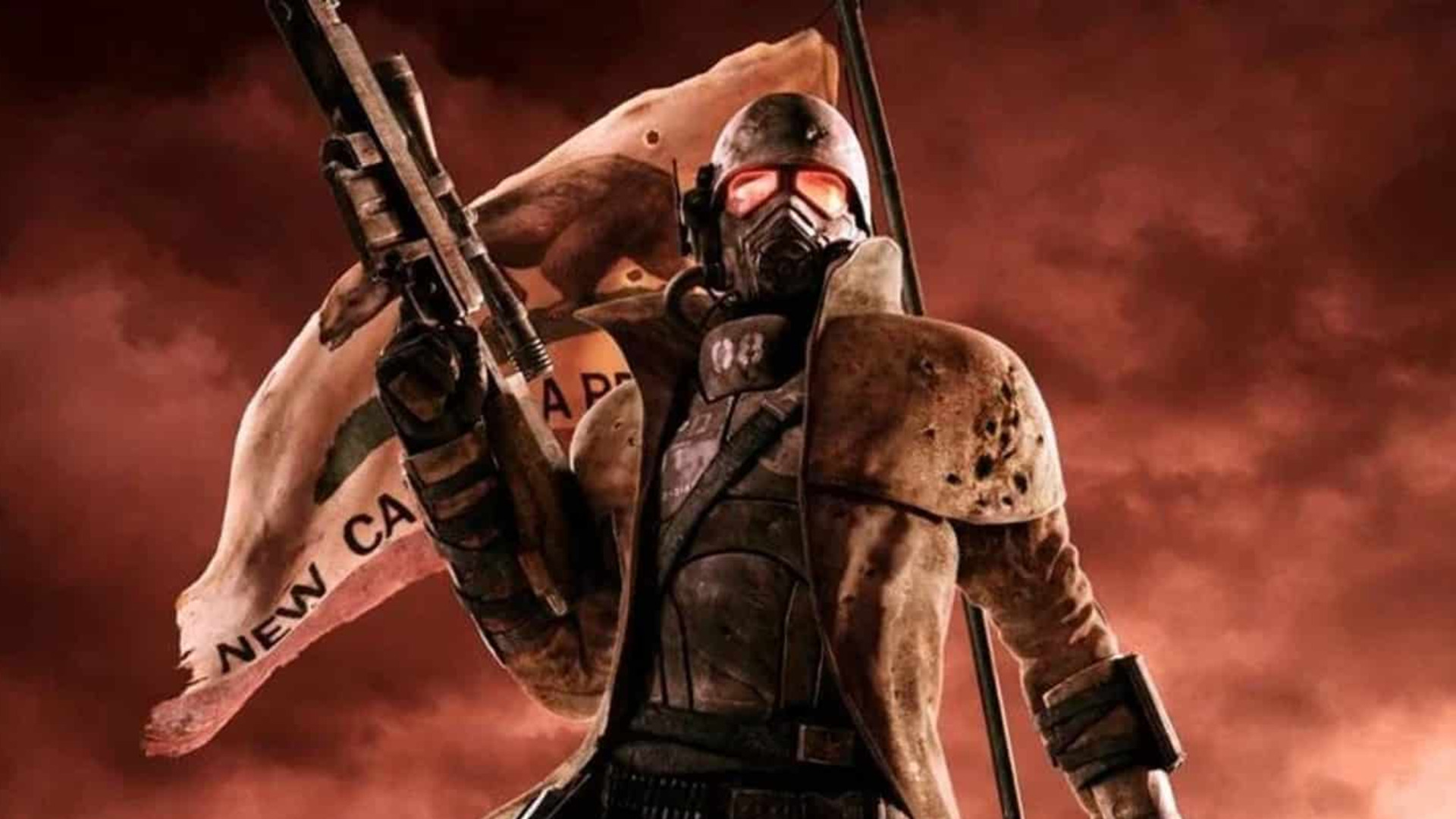
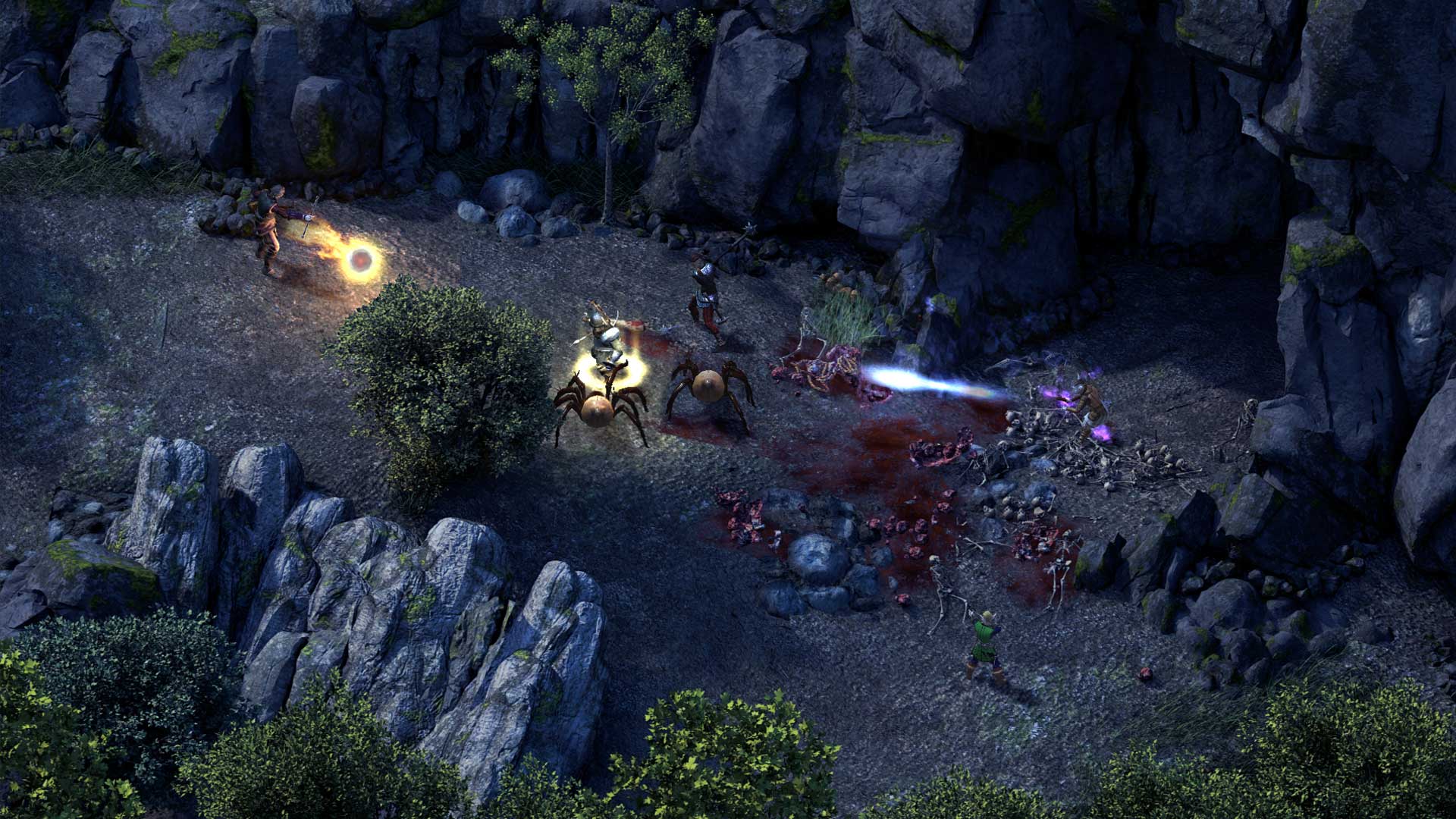
If you've played XCOM, you know the feeling of seeing a 95% chance to hit, taking the shot, and missing. But that's just how statistics work sometimes. Josh Sawyer, the legendary RPG director behind Fallout: New Vegas and Pillars of Eternity, really wishes players understood that – or, at least, he wishes he'd been more cynical about player behaviour when designing some of his games.
The crux of the issue is this: players see a 95% chance of a given action being successful, and they're shocked – nay, appalled – if the random number generator doesn't come up in their favor. There were long-standing design conspiracy theorists who believed that games like XCOM were regularly cheating players. The truth, of course, is that these games do cheat – in your favor. Dispatch developer Adhoc spoke about this as recently as this past March.
"Many people don't understand probability very well and many of them are resistant to having it explained to them," Sawyer says in a Bluesky thread. "This leads some designers to creating mechanics that work like the player's instinctive (read: fucking wrong) understanding of probability, further confusing everyone."
You'll find a pretty elegant solution to this kind of problem in Baldur's Gate 3, which solves the problem of poor statistical awareness the same way as tabletop Dungeons & Dragons: it lets you watch the actual dice roll. Somehow, it feels a lot more reasonable seeing a 1 appear on a virtual die to represent an automatic failure than it does to miss a 95% shot – even though both, in theory, have a 5% chance of occurring.
These are the kinds of problems game designers are often faced with: players complaining about something that isn't true, but which feels true. Take, for example, the case of the gun in Wolfenstein: Enemy Territory which players were convinced was absolutely overpowered. The devs ultimately solved the "problem" by nerfing not the gun's damage output or accuracy, but rather how powerful it sounded. The devs nerfed the audio, and the complaints quickly stopped.

These sorts of problems get all the more complex in RPGs, where players are faced with long-term decisions to make that can drain their resources or even change the outcome of the story. That often leads to players taking the path of least consequence, even when it means they start wasting their own time by reloading their saves over and over again.
"I do just about everything I can to not encourage save-scumming," Sawyer says.
One such example was in Fallout: New Vegas, which notably doesn't let you blast open locks with a gun, instead forcing players to invest in a lockpicking skill to get at those goodies. Many RPGs of that era would let you blast open locked containers at the risk of destroying the contents inside, but the problem is that many players would rather just save scum to get the loot rather than putting their skill points into lockpicking.

سەرچاوەی فەرمی بە زمانی ئینگلیزی: https://www.gamesradar.com/games/fallout/rpg-legend-behind-fallout-new-vegas-does-everything-he-can-to-stop-save-scumming-but-he-wishes-hed-been-more-cynical-about-player-behavior-in-pillars-of-eternity/