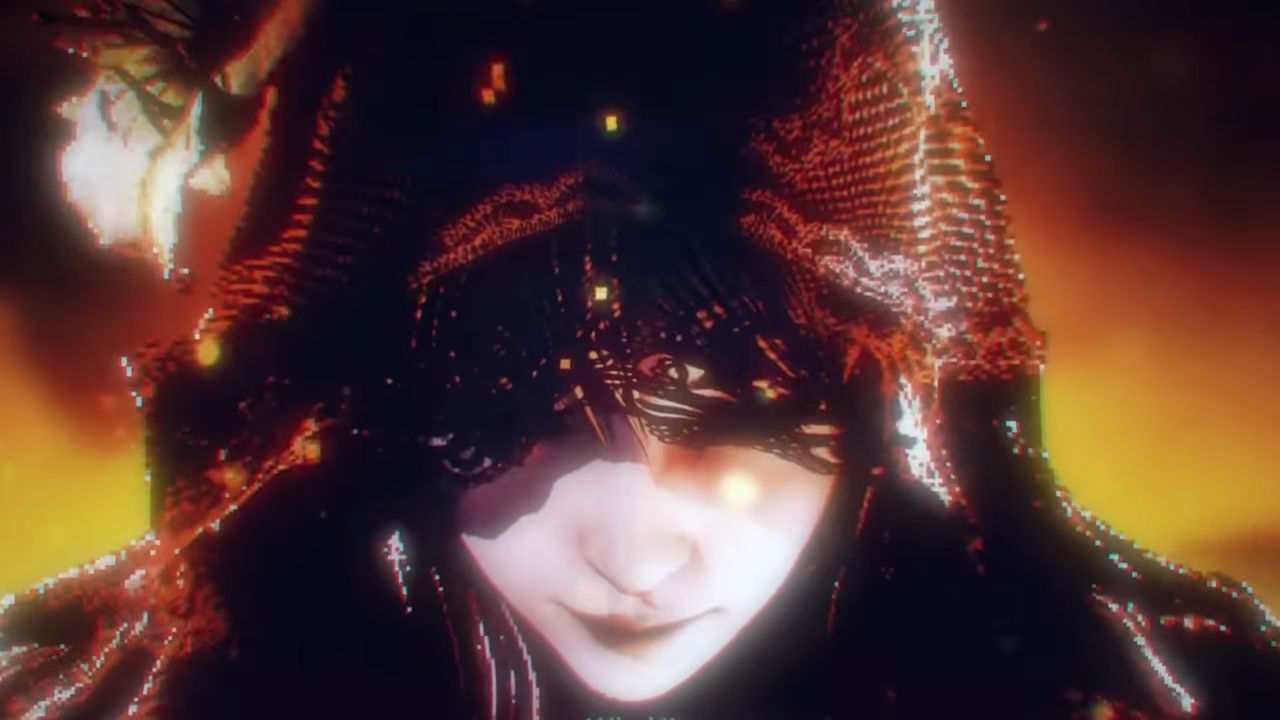

One of the most impressive games I played at gamescom was Tarae: The Unbound, a new action RPG developed by South Korean studio Boundary and published by PUBG company Krafton. There’s a huge amount here that will feel familiar to fans of Diablo, not least in the way the game actually plays. But it’s how Tarae: The Unbound looks that its developers hope fans of the genre will find something unique.
Tarae: The Unbound is based in east Asia between the 15th and 17th centuries (most action RPGs, including Diablo, are set in medieval Europe), and it leans heavily on Eastern aesthetics and folklore to come up with a different take. You can see this in everything from the class design to the monsters you fight and the environments you fight them in. But the boss fights (there are over 80 at launch!) are the best example of this Eastern aesthetic — a mix of Chinese, South Korean, and Japanese influences coming together to form designs I’ve not seen in an action RPG before.
As a big fan of Diablo, I was able to settle into Tarae: The Unbound quickly, my fingers resting on the number keys for abilities, my thumb on the space bar for a dodge, and my mouse fingers clicking away to delete mobs via the weighty combat. You can even pull the camera back to get a wider view that presents almost the entire battlefield on-screen, so you can see the waves of enemies coming from a decent distance. There’s a steady stream of loot to fuss over, various skills to pick from, and, of course, build crafting.
So far, so very Diablo. But, speaking to Inyoung Koo, CEO of Boundary, art director Byung Ho Park, and creative Myung Sang Ryu in an interview following my hands-on time, I could tell that Boundary feels Tarae: The Unbound has a lot more to offer.
There are six classes in the game, each reinterpreted from Eastern cultures: the Samurai melee dealer; the Tiger Hunter (guns and traps and summon animals); Manshin, the Korean shaman who uses spiritual channeling; Geomancer (area-of-effect damage dealer); Kunoichi the ninja; and Warfiend the brawler. The campaign is made up of six acts, each of which has three or four chapters. This isn’t an open world but a linear game, so you’ll have a narrative to progress through.
“The playstyles are very different,” Boundary insisted. “So if you choose a different class you will actually feel something very different.” If you finish the campaign with one character, you don’t have to progress other classes — you can then use all the different classes in the endgame.
The developers spoke of a “balance” at play in the combat, and for me that comes mostly from the god system. There are eight different friendly or unfriendly gods who can either assist or hinder you in combat, and you’ll have to contend with these modifiers as you work your way through the campaign. Indeed, yin and yang is a common theme throughout Tarae: The Unbound; the idea that there are opposing forces at play in everything from the story to the combat.
“East Asia is where we got the inspiration from,” Boundary told me. “We wanted to take the most beautiful parts of east Asia, and we have the Buddhist cosmology as our basis — the six realms of rebirth.” There’s a human realm, an Asura realm, a beast realm, a hungry ghosts realm, and a hell realm. In the endgame, you cross the boundary of the realms to engage in battles.”
سەرچاوەی فەرمی بە زمانی ئینگلیزی: https://www.ign.com/articles/tarae-the-unbound-developers-hope-its-east-asia-folklore-aesthetic-sets-it-apart-from-western-medieval-action-rpgs-like-diablo