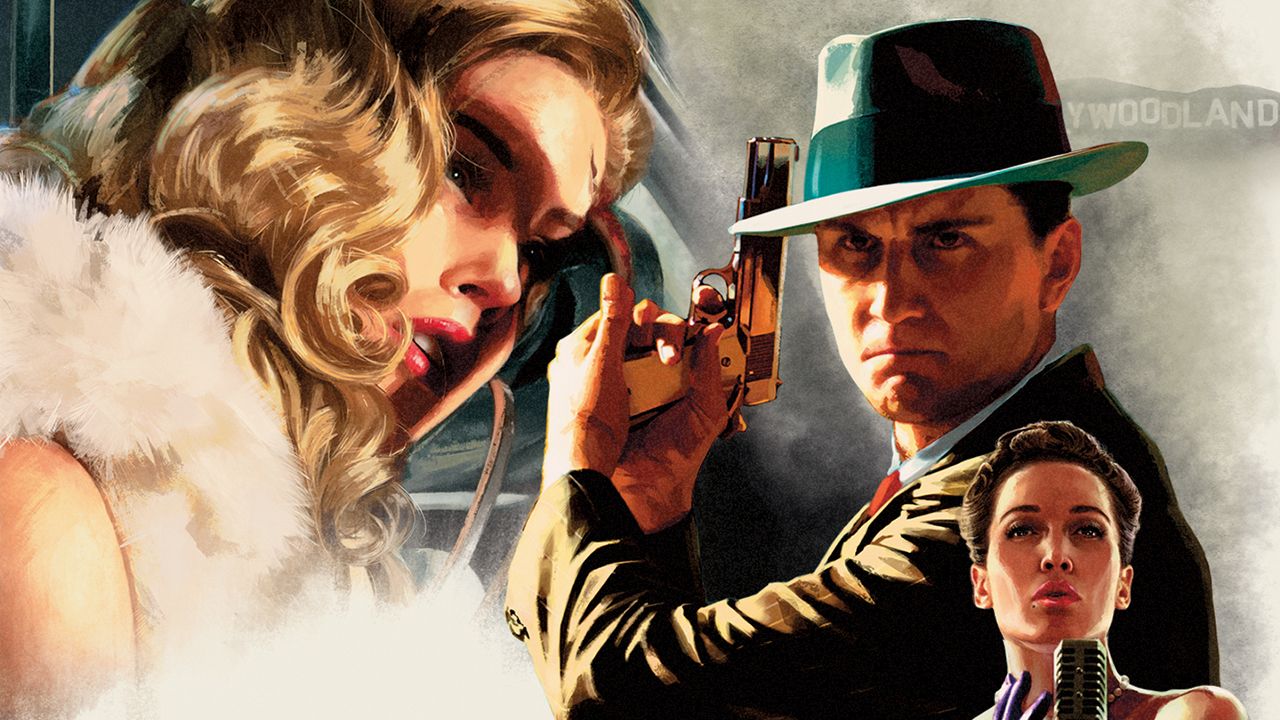
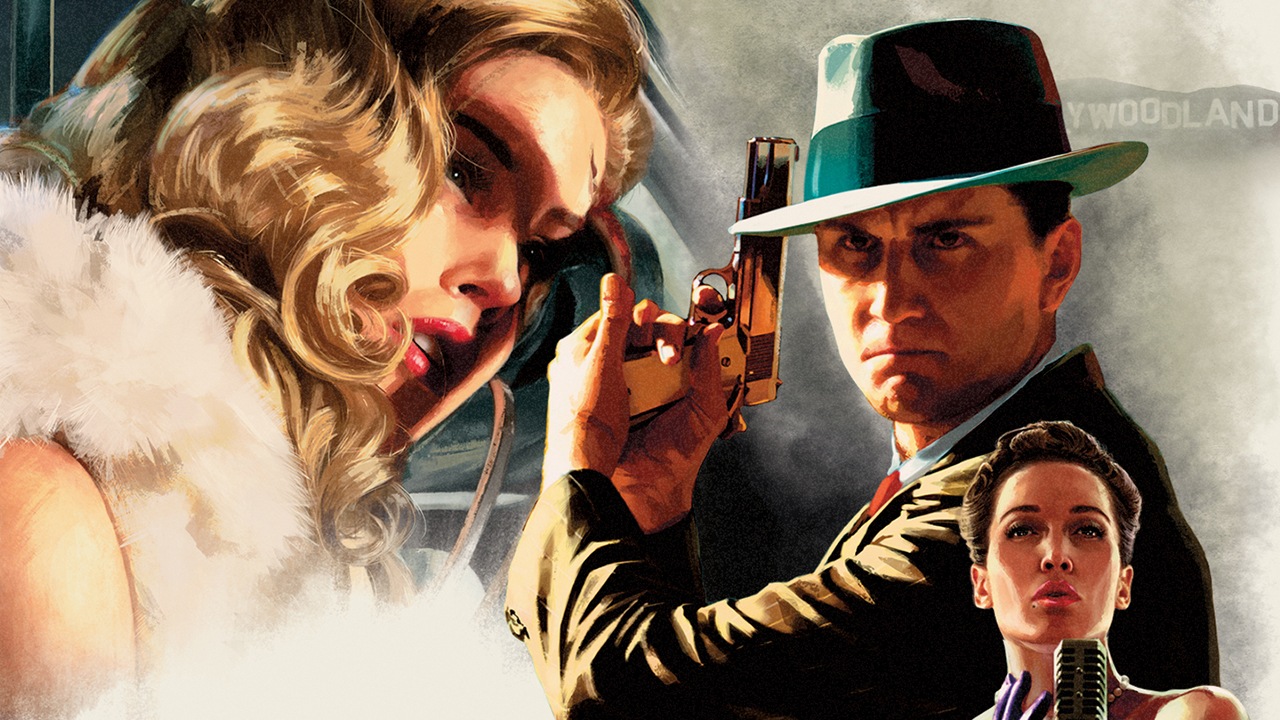
As it swaggered onto consoles in 2011, LA Noire did so on a red carpet laid down by Tinseltown itself. This was a game that wanted to be a movie star, with a glamorous cinematic ambition that held a mirror up to its Hollywood setting. Seven years in the making, Rockstar's detective drama was one of the most expensive games ever created, with investment enough to fund a modest movie, and with a cast of 400 actors, every nuance of whose performances were captured by 32 cameras via the same MotionScan technology used in Avatar and The Lord of the Rings. It was as close to a movie as any video game had ever come.
The pitch was LA Confidential meets Grand Theft Auto. 'Proper' actors were cast, many of them stars of Mad Men – most notably, Aaron Staton playing protagonist Cole Phelps. Actors' performances were integral to the game's interrogation mechanic: every one, no matter how small, designed to be relatable, believable, unbelievable, as only humans can be. This headline feature relies on the player being able to tell a liar from, to paraphrase Christopher Walken's chilling mafioso in True Romance, 'pantomimes' of unwitting facial movements and nervous ticks. In theory, so realistic are the faces in LA Noire that it should be possible to spot the difference between a fibbing toerag and an honest John just by observing the actor's performance. In reality, despite all the expensive MotionScan tech behind it, it was often impossible to tell a guilty smirk from a Mona Lisa smile.
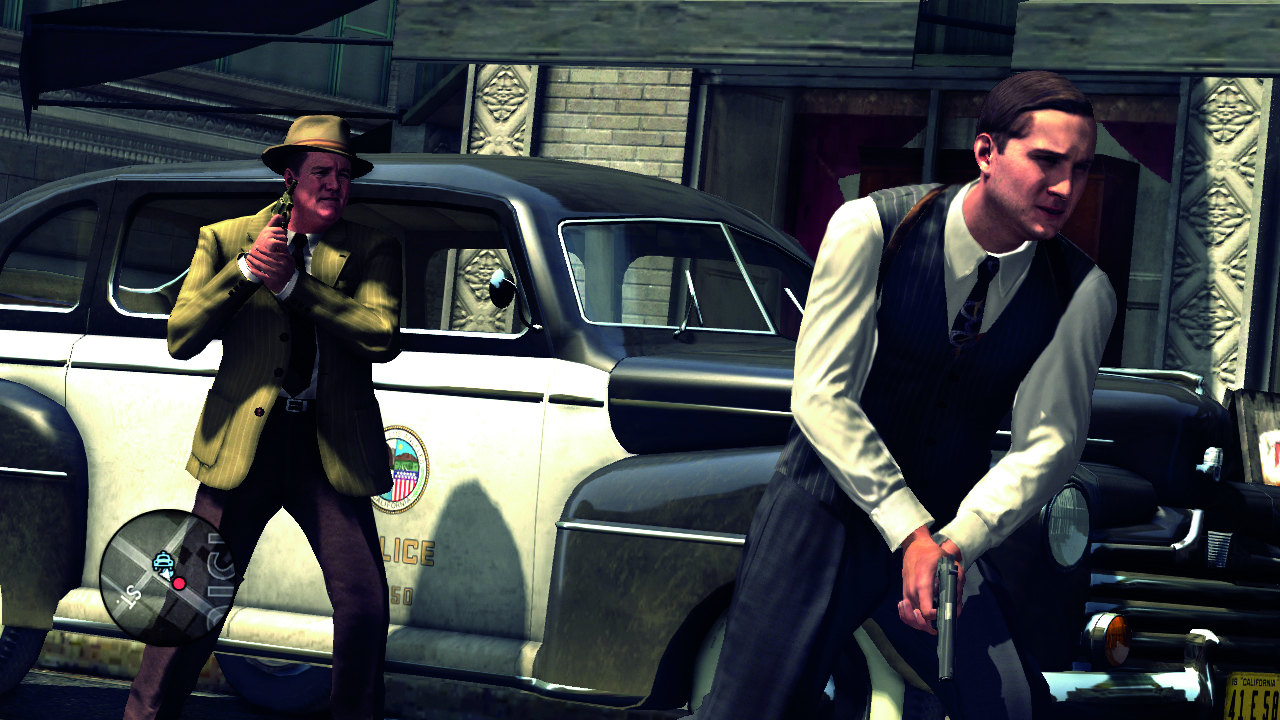
The mo-scanned interrogations were its headline feature, but the crime scene investigations that form the basis of each case are the superior element. These moments of almost plodding police work are framed in an intelligently designed detective metagame that doesn't rely on supernatural senses or a Bat-cowl, but instead involves getting your hands dirty with tactile forensic examination. Phelps is directed around each crime scene by musical cues, woven into the soundtrack, to potential clues. Picking up an item and manipulating it wasn't entirely new, but was given greater significance than simply turning a box the right way up in order to open it and reveal its contents, as in the Resident Evil games. The camera zooms in on a significant detail as Phelps rotates an item, providing a real sense of discovery as you turn up a vital lead.
Conversely, each scene is filled with pointless incidental junk that has no bearing on the case, but the thoroughness of leaving no stone unturned adds a banal counterpoint to the revelatory police work. It's ironic that something so relatively rote works so much better than the experimental, expensive idea that was meant to be the wind beneath LA Noire's wings.
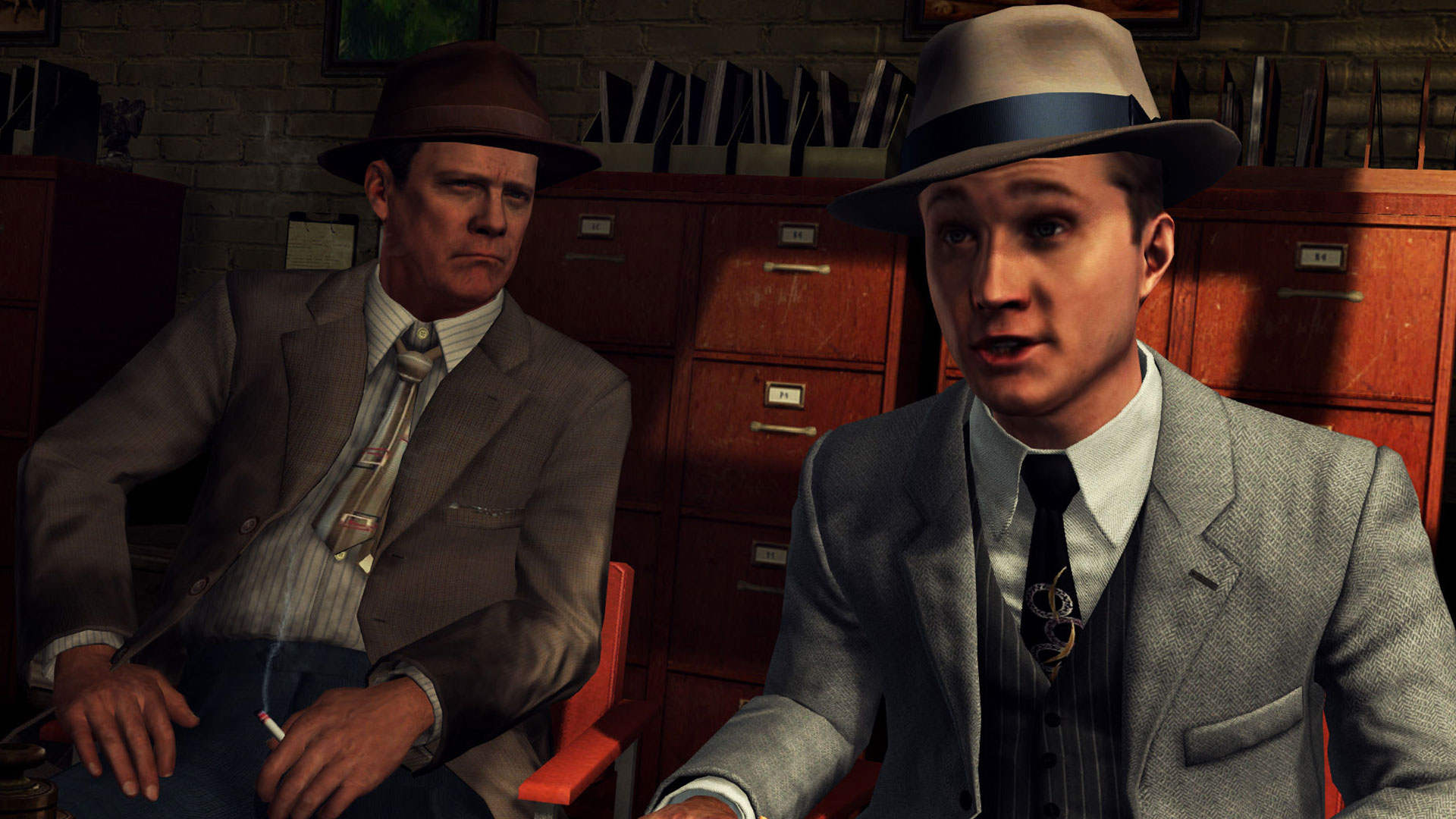
Clues found here form the basis of interrogations. Suspects' faces mug, squint, and sneer exaggeratedly. Stare at them for long enough, though, and it becomes harder to tell whether that look to the left is because they're guilty or they're just thinking about what's for tea. As over-the-top as some of them are – often hilariously so – the subtleties of those digitised performances are often lost, and further muddled by confusing options.

During development, the original Truth, Doubt and Lie options had been tested as Coax, Force and Accuse, and in the 2017 remaster these became the similar Good Cop, Bad Cop, and Accuse, supposedly making them more context-appropriate. Bad Cop is certainly more apt than Doubt, since it is intended to aggressively uncover further lines of questioning.
However, it often seems overly harsh – especially when you have no real reason to doubt a suspect's answer. An accusation will fall flat if you don't have evidence to back it up, yet Good Cop can also confusingly be the correct choice amid a litany of brazen lies. A suspect may appear to squint nervously or bite their lip, but while this is meant to indicate they are not telling the whole truth, it doesn't exactly frame them for anything unlawful either.
هەفتانە هەرسکردنەکان، چیرۆکەکانی ئەو کۆمەڵگایانەی کە خۆشت دەوێن و زۆر شتی تر
سەرچاوەی فەرمی بە زمانی ئینگلیزی: https://www.gamesradar.com/games/action/la-noire-still-stands-as-rockstars-extravagant-cinematic-ode-to-noir-fiction-that-could-have-changed-everything