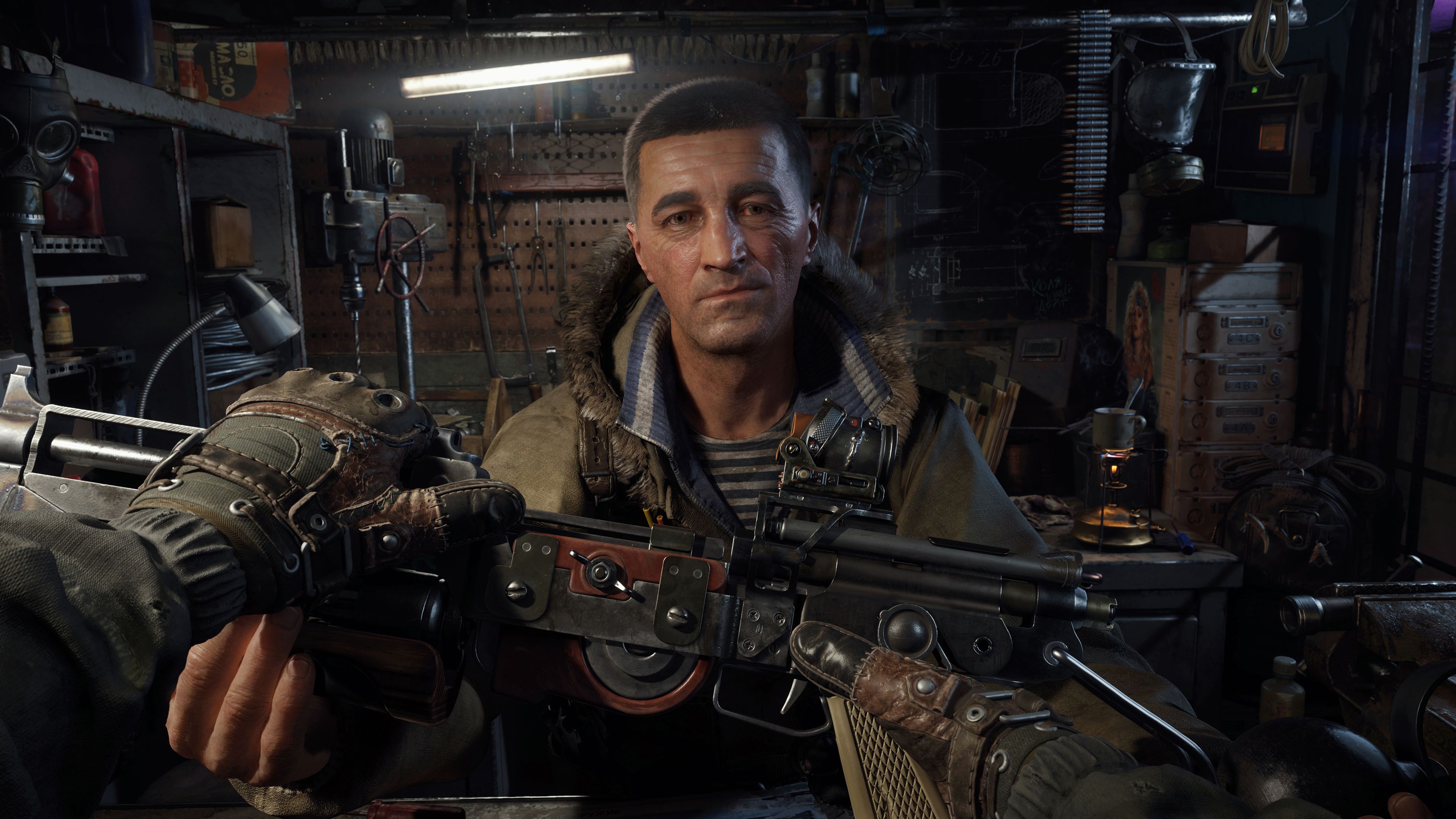
As someone who has been a massive fan of 4A Games' Metro series since the release of Metro 2033 in 2010, I can confidently say that it is one of the most widely misunderstood video game franchises and very much deserves far more love than it actually gets. It is massively appreciated by many of those who have stuck around long enough to give it a chance, but trying to get someone into it today feels a bit like telling them that the fourth season of a show is where things really start to get good, and if they can just hold out until then, it'll all be worth it. It's not because Metro's first few games aren't terrific, though. Rather, it's that the series as a whole demands something very specific from its players that they might not be ready to give. Metro 2039 is the latest entry to double down on that philosophy, but its developers are hoping new players might finally see it for what it is and give the series a chance.
As a first-person shooter, Metro 2039, like its predecessors, is bound to see players who have never played a Metro game in their life jumping into the fray and thinking they'll be able to tackle anything ahead of them if they move fast enough and aim sharp. However, according to 4A Games, that has been a common misconception about the series up to this point and likely one of the reasons some players tend to stay away from it. I recently spoke with Metro 2039 co-creative director and audio lead Pawel Ulmer and executive producer Jon Bloch after going hands on with the upcoming game, and they both affirmed that very idea, explaining that if players can learn to practice the patience that Metro requires, they'll start to understand just how much more there is to the series than simply surviving its next firefight.
When I first started Metro 2033 over 16 years ago, I had no idea what I was getting into. These days, I consider myself a Metro expert, but back then, it was massive culture shock for me as a veteran of fast-paced first-person shooters like Halo and Call of Duty. Stepping into that forsaken wasteland and those claustrophobic tunnels, I learned the hard way that Metro is not a game that requires quick reflexes and rapid maneuvers. Instead, it's a game about patience, exhaustiveness, and preparation, all of which require you to move much slower. And when each of these is put into practice, you don't even need to be quick, because you can easily get the jump on enemies who never saw you coming, and those that do, you're well-stocked and ready for the impending fight.
If players can learn to practice the patience that Metro requires, they'll start to understand just how much more there is to the series than simply surviving its next firefight.
Of course, Metro needs to have something in place to encourage that kind of play, and it can't just be "make enemies harder," because then it becomes about the fights themselves, and Metro has never been about the fights. Rather, it has always been about immersing players in its world. But to do that effectively, it needs to make its world compelling enough that players will actually want to slow down and observe it. And if it manages to succeed in that regard, then players won't care as much about getting to the next fight or even the next objective, because they'll realize the real reward is everything they might have missed if they had rushed there in the first place.
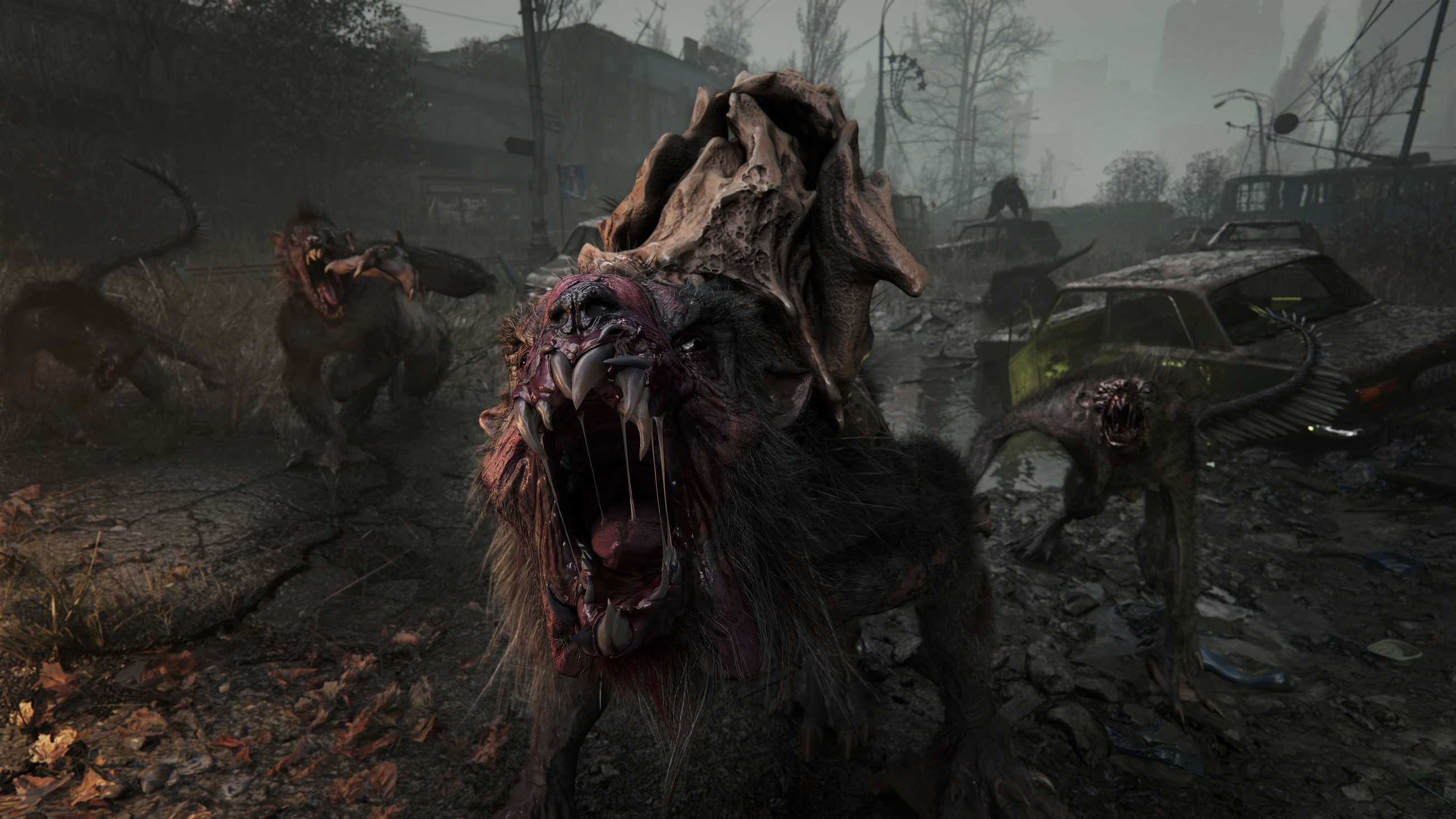
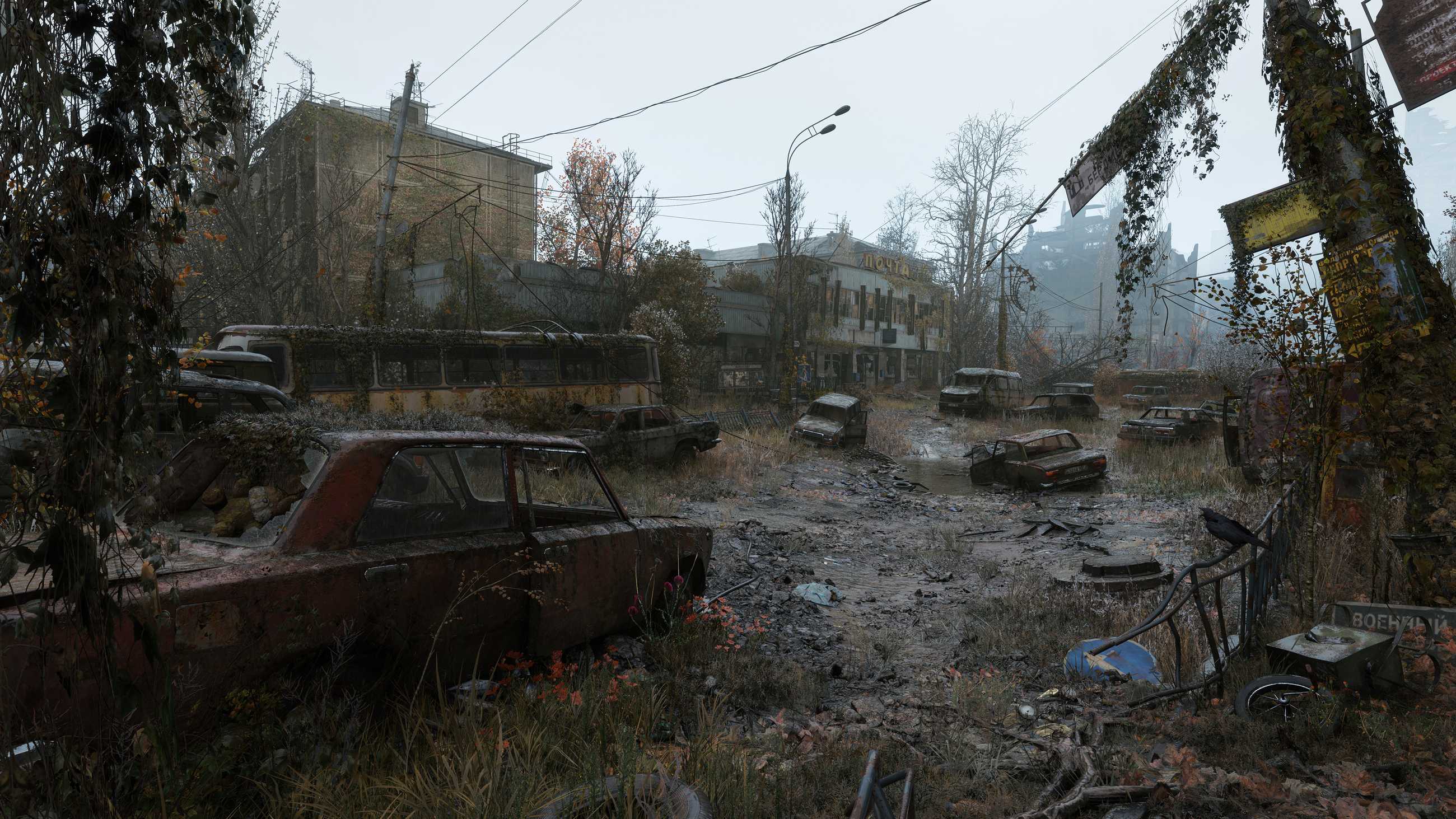
So, like the games before it, Metro 2039 features what 4A Games has long referred to internally as "frozen stories." At their core, frozen stories are handcrafted environmental storytelling snapshots that let players piece together micro-narratives from past events without using dialogue or cutscenes. Not only does that lend to the player's feeling of isolation in Metro's post-apocalyptic world, but it's a creative way to get players to slow down and observe, rather than being stopped by an NPC shouting at them in the distance. Bloch elaborated on that philosophy a bit during my time speaking with him and Ulmer, and it became clear that these frozen stories are one of the biggest ways Metro 2039 hopes to teach players the patience the series has always demanded:
One of the major enhancements for our engine has allowed us this time to really push the level of detail and density of everything in our environment, and so it is a story worth talking about when it comes to how the player experience will play out for 2039, but this is something that's been core to our design philosophy from the very beginning. Everything has to have a reason to exist. Everything has to have a backstory. Everything has to be believable and feel like, even if it's something supernatural, you could reach out and touch it, and it would be as realistic as that thing could possibly be.
"The world has a lot of stories to tell," Ulmer added. "It's not just a game location. It has its own story. Many of them." That, in a nutshell, is the heart of what makes Metro so special. I actually hesitate to even call this series a first-person shooter franchise because if you approach it that way, you might end up playing it incorrectly. I'm much more comfortable calling this an immersive survival-horror sim where your primary form of defense just happens to be a weapon that can shoot. The star of the show isn't the combat—it's the world itself. And if you don't stop long enough to notice it, you'll actually end up being forced to reload at your last auto save because you thought you could take on the mutants and you were humbled instead.
سەرچاوەی فەرمی بە زمانی ئینگلیزی: https://gamerant.com/metro-2039-biggest-misunderstanding-4a-games-interview/