دانیال ترۆک بەشداربووە لە کۆمپانیای DualShockers کە تایبەتە بە یارییەکانی کۆمپیوتەر و لیستەکان و پێداچوونەوەکان. لە ساڵی ٢٠١٨ەوە بە شێوەیەکی پیشەیی دەنووسێت و لە ساڵی ٢٠٢٠ەوە یارییەکانی ڕووماڵ کردووە، کارەکانی پێشووی ڕێنمایی، هەواڵ، لیست و پێداچوونەوە لە چەندین بڵاوکراوەدا دەگرێتەوە.
پێش ئەوەی پەیوەندی بە DualShockers بکات، دانیال بەشداری لە ڕێنماییەکانی GamerJournalist و لیستەکانی TheGamer کردووە. لە ئێستادا بابەتەکانی تەکنەلۆژیای SlashGear و BGR دەگرێتەوە. خاوەنی بڕوانامەی بەکالۆریۆسە لە دەروونناسی لە کۆلێژی ماریست و ماستەر لە هونەرە جوانەکان لە نووسینی داهێنەرانە و پیشەیی لە زانکۆی ویلایەتی وێستەرن کۆنتێکتیکۆت.
I don’t think it’d be hyperbolic to say that the PlayStation 2 was the game console that really got the JRPG genre firing on all cylinders. There were JRPGs before then, of course, many of which were even released in the west. It was the PS2, though, that really started hitting us with a deluge of titles from across the spectrum of developers and styles, thanks in large part to the console’s excellent third-party support.
The PS2 was home to numerous certified bangers like Kingdom Hearts 2, Dragon Quest VIII, Persona 3, and so on, but there were also quite a few JRPGs that didn’t quite set the world on fire like those games did. Their names mostly circulate through word of mouth among early-2000s gaming enthusiasts, doing whatever they can to keep interest in their cult classic favorites alive. If you have the opportunity to boot up some classic software, I’d suggest taking these particular JRPGs out for a spin, even if they’ve never crossed your mind before. You might just find your new hyperfixation, and then you can know how frustrating it is to love a game nobody else seems to care about.

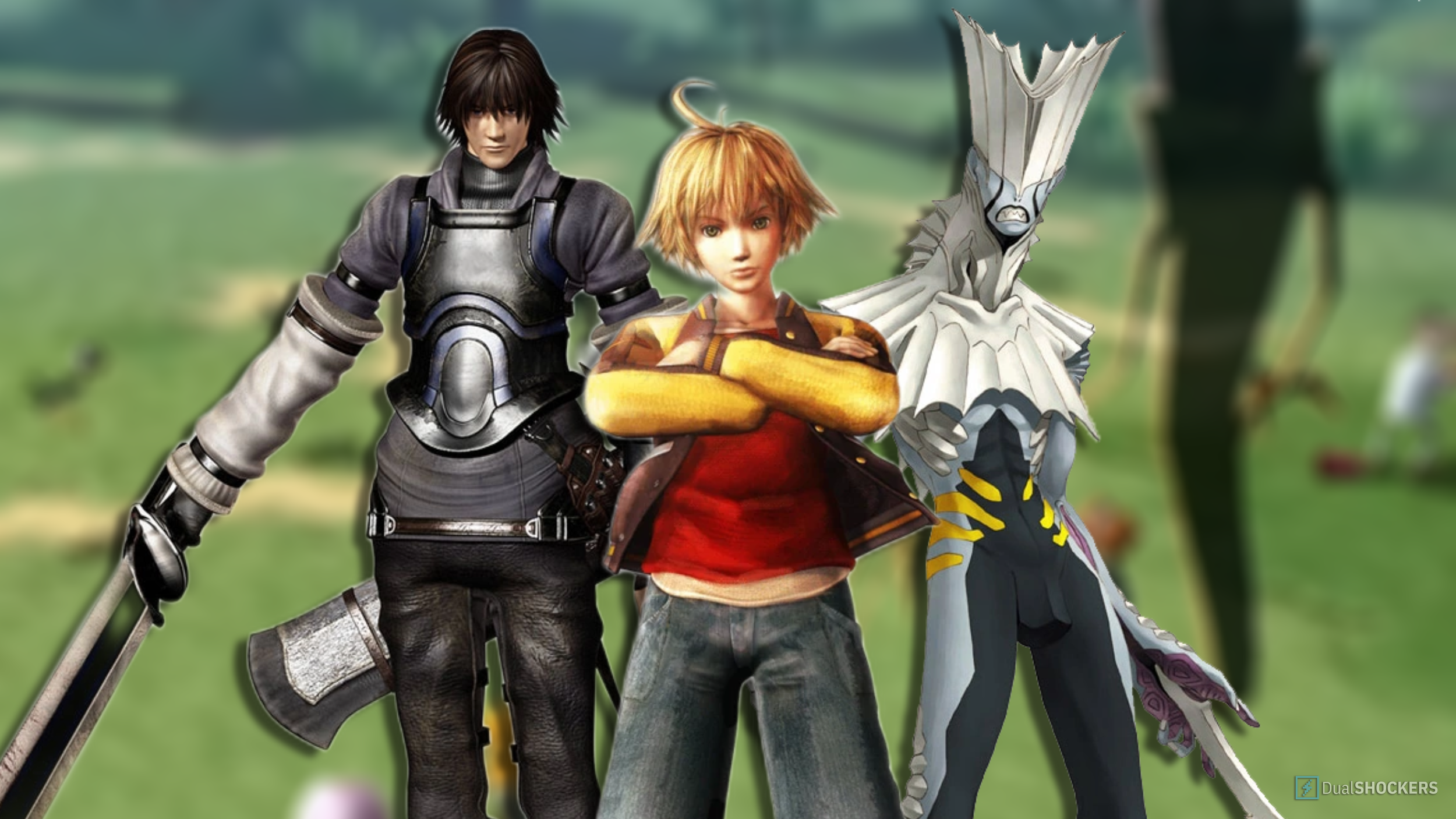
While there were obviously 3D games before the PS2, JRPGs included, the PS2 had much higher specs and a generally lower bar of entry than its predecessor, so it served as the proper starting line in the realm of 3D for many established series. For example, Capcom’s home-grown JRPG series, Breath of Fire, was a strictly 2D affair for its first four games, but that changed with the release of its fifth title, Breath of Fire: Dragon Quarter.
Dragon Quarter drops the high-fantasy aesthetic of the previous games in favor of a dystopian sci-fi vibe, with humanity living in a series of bunkers deep beneath the Earth and our heroes needing to fight their way up through the substrata to reach the surface. Combat uses a hybrid turn-based and real-time system, in which you can move and act as much as your bar permits, stringing together abilities and combo attacks. Interestingly, the game is designed to be looped back to the start multiple times, with certain event triggers and areas only accessible by raising a stat that increases between playthroughs.

Not only was the PS2 capable of better graphical presentation than the PS1, it also had more advanced hardware allowing for more elaborate game design. While there were older games that had real-time systems, for example, it was with this generation that such systems could be intermingled with existing frameworks, creating ambitious games like Radiata Stories that combined the passage of time with traditional JRPG adventures.
Radiata Stories has a world that’s constantly on the move, with characters going about their days and business based on a real-time day/night cycle. This is important, because every NPC also has their own schedules and personalities, which you need to work around if you want to recruit them to your cause. There are over 100 NPCs you can recruit to your party, heavily dependent on the path you’re following through the story, though the only character you have direct control over in a fight is your protagonist, Jack, while everyone else is AI-controlled.


سەرچاوەی فەرمی بە زمانی ئینگلیزی: https://www.dualshockers.com/ps2-jrpgs-most-havent-played-but-definitely-should/