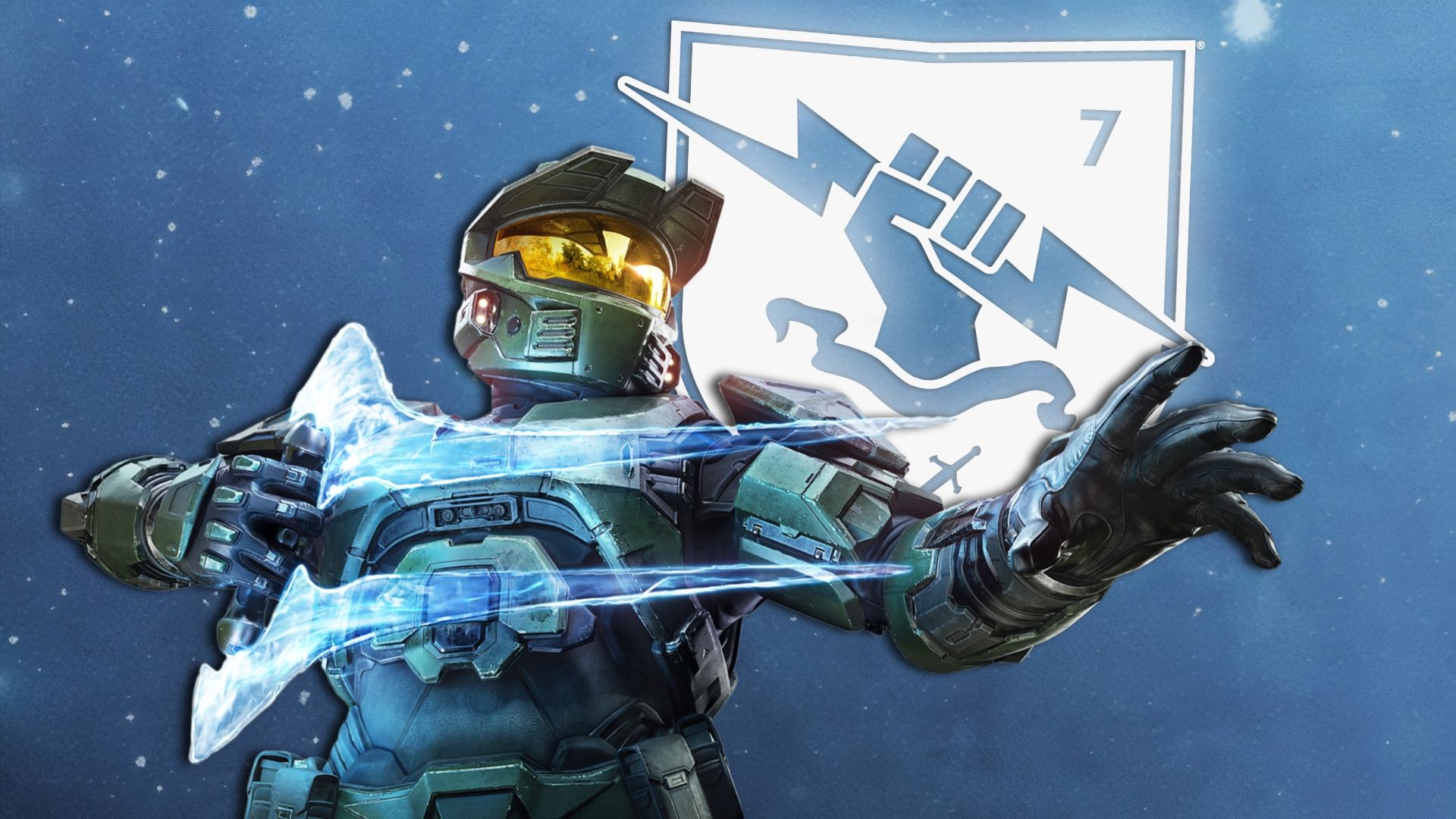
One of the more interesting ideas to come out of Activision taking over stewardship of the Halo IP is that the series is actually heading somewhere its original creators have already been. It's true: while a small team at Halo Studios stays on to support the existing games, Xbox has handed development of the next mainline entry to the same publisher Bungie signed with in 2010 after leaving Microsoft. Why that is interesting, at least in part, comes down to what fans may infer from that history should it repeat itself with Halo: Bungie's Activision years produced one of the biggest launches in the industry's history, but they also ended early, with public friction over sales expectations and a split nobody had planned for.
Of course, History rarely repeats itself so cleanly, and there are real differences between Bungie's deal and this one. Still, the early Destiny era is the clearest record anyone has of how Activision handles an ambitious sci-fi shooter built by the people who made Halo. It's worth a closer look, because it points to where the pressure on the next Halo is most likely to show up.


On top of this recent news is a bit of a history lesson: when Bungie spun out of Microsoft in 2007, it wasn't until April 2010 that it signed a 10-year publishing agreement with Activision for a new series. Under the deal, Bungie kept ownership of the Destiny IP while Activision held exclusive publishing rights; it was an unusual arrangement for a publisher that prefers to own its franchises outright, but in the long run, it proved to be a critical piece of this puzzle.
When Activision found itself embroiled in a legal battle with former Infinity Ward heads Jason West and Vince Zampella in 2012, that contract was unsealed, giving consumers a better look under the hood at a plan that was predicated on four Destiny games every other year starting in fall 2013, and expansions that filled the gaps in between. Microtransactions and paid services were also planned from the start, which is fun as an aside, but the important detail was that it let Activision walk away without penalty if the first game failed to sell five million units in its first six months. From the jump, the same logic that keeps Call of Duty on shelves every year was applied to Bungie's new universe; Destiny was supposed to deliver a major release or expansion almost every year for the better part of a decade.


Naturally, though, none of that really ended up happening, as Destiny arrived in September 2014, about a year behind the contract's original target; it was a commercial giant, nonetheless. It sold more than $325 million worldwide in its first five days, the biggest launch ever for a new franchise at the time, and the years that followed brought a cycle of expansions, course corrections, even a full sequel in Destiny 2 in 2017. That's where things got truly rough, as though two companies had disagreed about the series' direction from the very beginning. Destiny 2's monetization, the kind more akin to what was planned in the original contract, drew some of the loudest criticism the franchise ever faced.
And whatever the internal dynamics were, many fans came to see Activision as the pressure behind many of the series' least popular decisions. That friction finally went public in late 2018, as even though the Destiny 2: Forsaken expansion launched to strong reviews, Activision told investors it had underperformed, with former Activision Blizzard COO Coddy Johnson saying, "We have not yet seen the full core reengage in Destiny." Former Destiny 2 game director Luke Smith responded directly on social media: "We are not disappointed with Forsaken."
Ultimately, Bungie announced it would take over publishing for Destiny in January 2019, a move that officially ended the partnership about two years ahead of schedule. Weeks later, on an earnings call, Activision explained its reasoning for the breakup: Destiny wasn't meeting the company's financial expectations, wouldn't be a material contributor to profits, and wasn't owned by Activision the way its other major franchises were. The publisher also noted that High Moon Studios and Vicarious Visions, which were both assigned to help Bungie produce content faster, would now move on to Activision's own projects.
Now that the history is out of the way, it's important to know which patterns to pick up and carry forward as you look down the barrel of an Activision Halo game. For starters, it's worth taking the publisher at its own word, as those earnings calls show the clearest available picture of what Activision values in a franchise: financial contribution, IP ownership, and, at least during the Destiny 2 period, the pace and cadence of content. Some parts of that precedent map cleanly onto Halo; some don't map at all.
سەرچاوەی فەرمی بە زمانی ئینگلیزی: https://gamerant.com/halo-activision-bungie-destiny-publishing-deal-history/