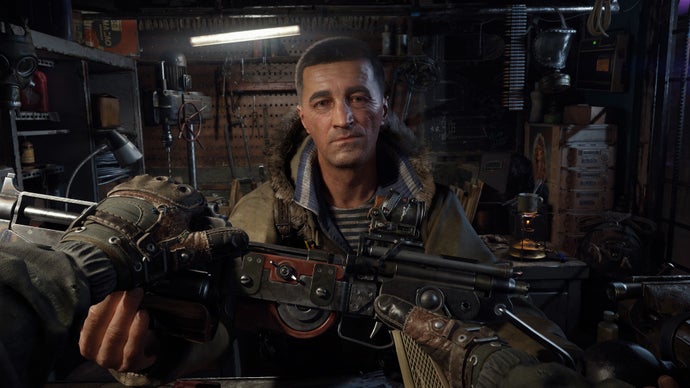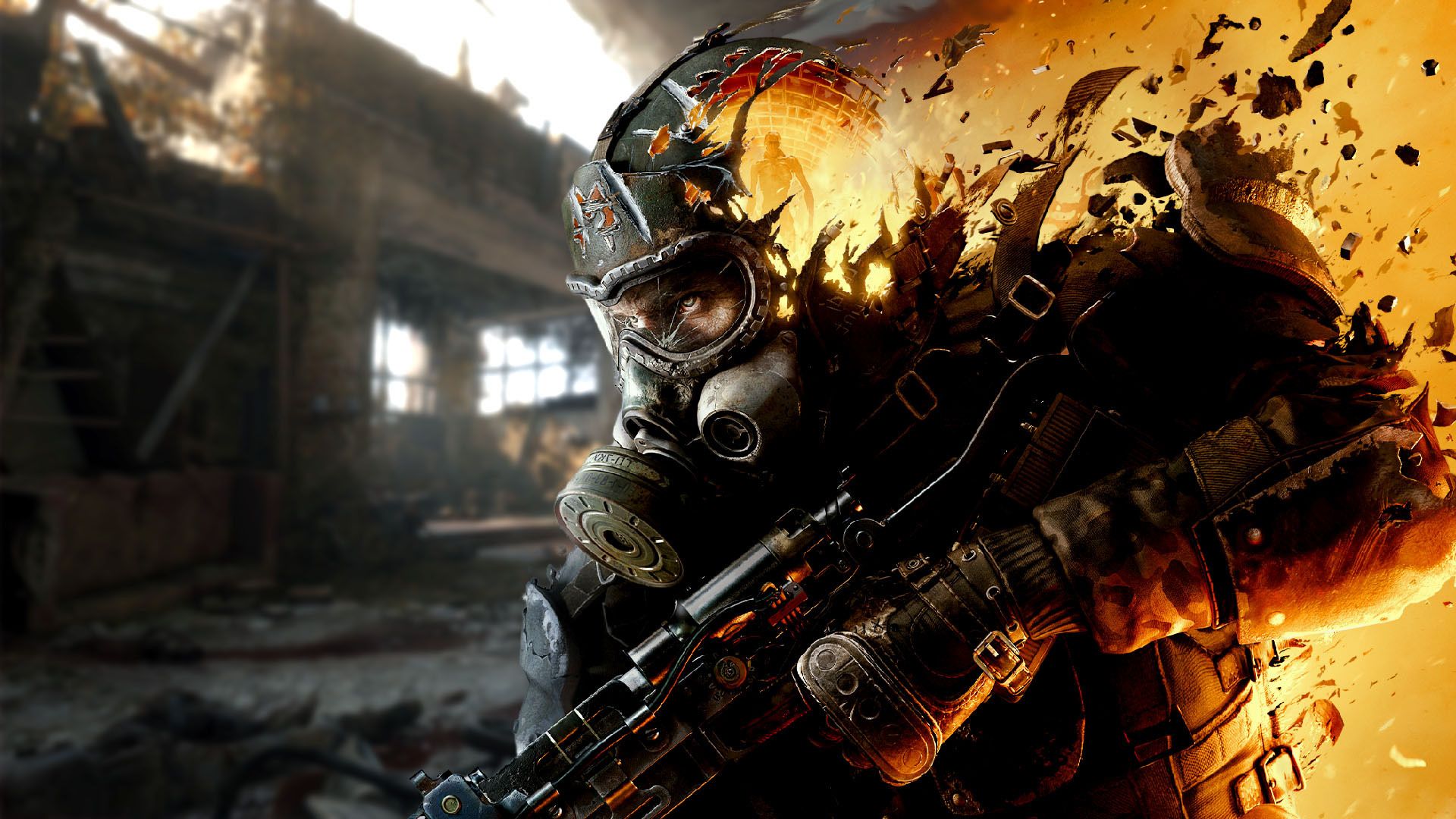
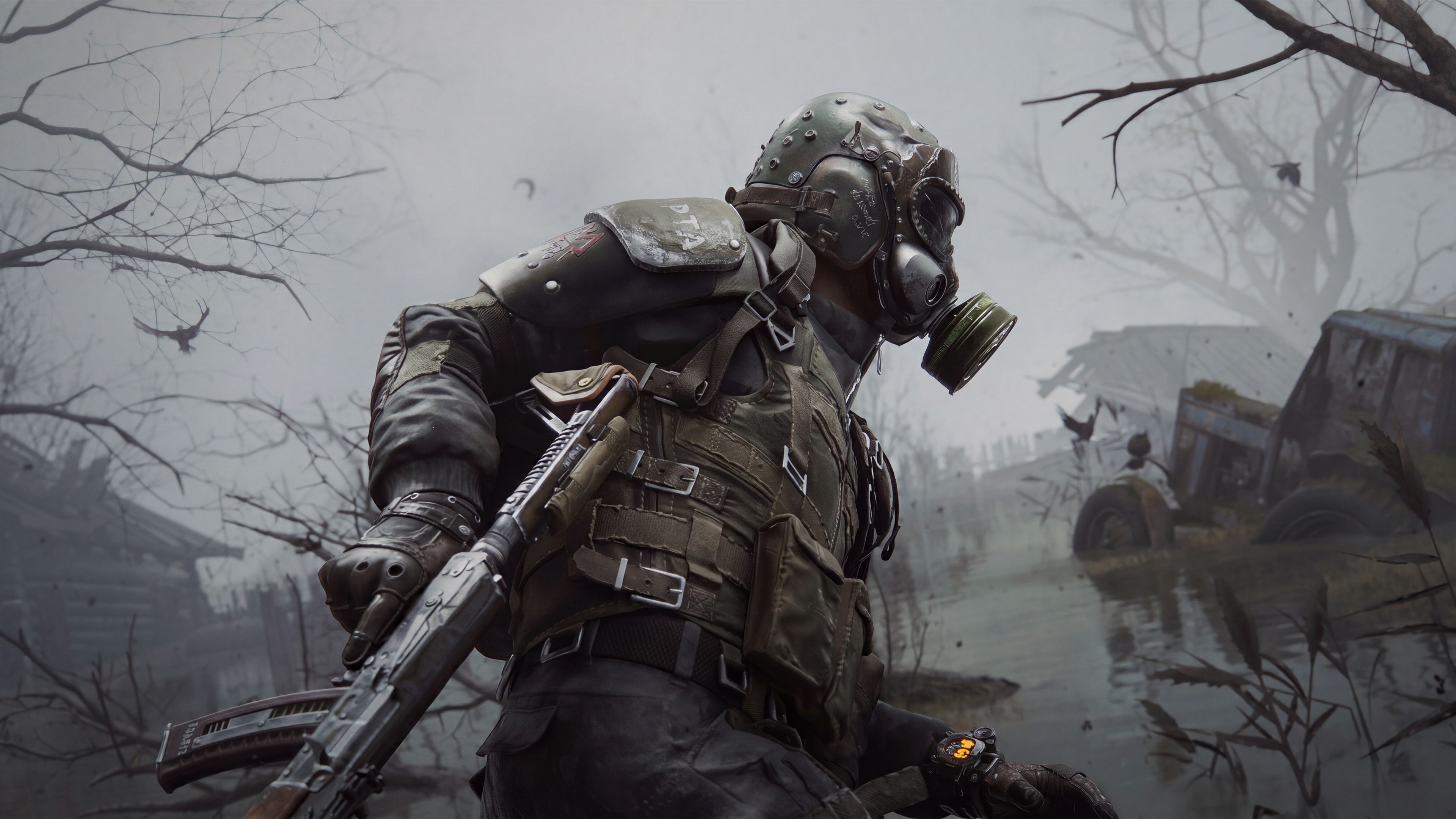
Just a few hours into my preview of Metro 2039, I was running out of filters for my gas mask and the materials necessary to craft more, putting me on the brink of suffocation—but I had to keep exploring. I knew the route I would need to take to advance the story further and, ultimately, be safe from the toxic air on the post-nuclear surface, but I didn't want to take it. All I wanted was to keep poking around for more crafting and survival materials, more puzzles to solve, more weapon blueprints, and more "frozen stories" (as the series has long called its take on environmental storytelling), because if there is one thing I've learned as a longtime Metro fan, it's that patience and exhaustiveness pay off. Because of that philosophy, I knew beforehand that I would stubbornly push myself to the very edge in Metro 2039, until I had absolutely no choice but to move on.
But eventually, I did move on, and Metro 2039 took me deeper into its return to the supernatural elements that defined the original games. At one point, I wasn't sure whether I was playing Metro 2039 or a straight-up horror game, as the environment started shifting before my eyes, and the path ahead was so dark that I couldn't see 10 feet in front of me. This was every bit the Metro I remembered, and yet somehow darker, more compelling, more immersive, and far more interested in making me feel vulnerable than I expected it to be. More than anything, my time with Metro 2039 felt like the series returning to its roots while finding new ways to make exploring and surviving its world feel dangerous again.
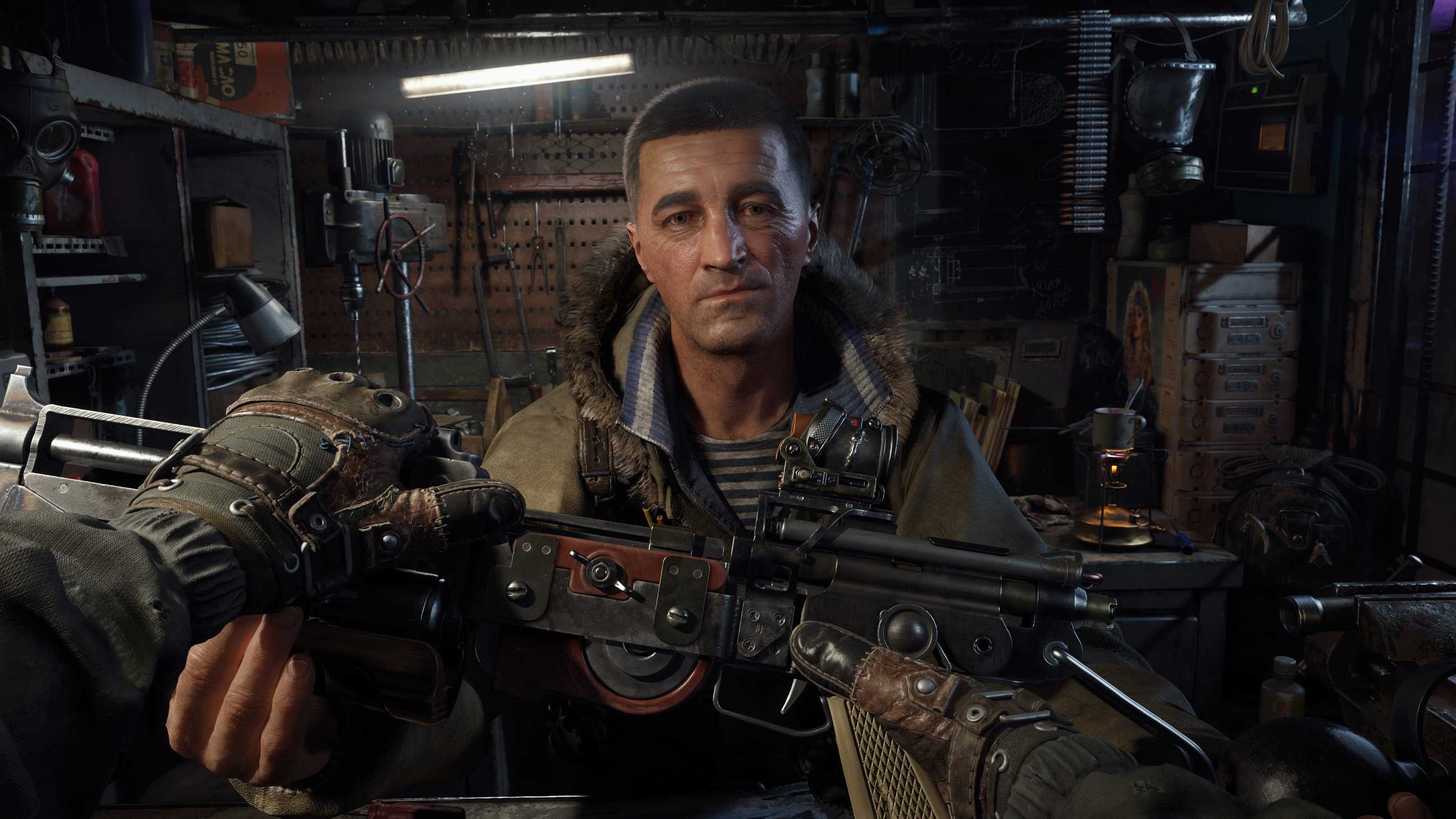
My preview of Metro 2039 began with me in the inhabited Sevastopolskaya Metro station, where I was tasked with heading to the surface to deal with Kaban's gang, the primary threat to Sevastopolskaya. Before heading to the surface, though, I spent a few minutes taking in the deeply immersive world around me, and I was instantly taken back to Metro's glory days, where the surviving world underground felt alive, reactive, and very much real. My introduction to the series began back in 2010 with the first entry, Metro 2033, and one thing that so effortlessly won me over was how NPCs naturally reacted to my presence in a way I hadn't experienced in many other games. Now, after playing Metro 2039, I can confidently say that is still very much the case in the series' modern days, and, if anything, it has been taken to another level with improved visuals and animations.
However, as much as all of that made me want to stick around, I knew I had a job to do, so I made my way over to the gunsmith, who supplied me with a weapon, and I was finally ready to head to the surface and experience one of my favorite elements of the Metro series: exploration. And let me just say that 4A Games has outdone itself with Metro 2039's exploration, as it managed to strike a delicate balance between the openness of Metro Exodus and the environmental density of its predecessors.
If I haven't made it clear already, there was enough to explore here that I was eventually running out of filters. However, it's not square mileage I'm talking about. Rather, it's the amount of patience Metro 2039 asks of you, as nearly every environment feels dense enough with small details, hidden resources, and potential discoveries that rushing through any of it almost feels like playing the game incorrectly. Just as it has been in every Metro game leading up to this point, if you want to survive what's ahead, you need to painstakingly explore what's around you—but that also means subjecting yourself to the horrors of its post-apocalyptic wasteland.
4A Games has outdone itself with Metro 2039's exploration, as it managed to strike a delicate balance between the openness of Metro Exodus and the environmental density of its predecessors.
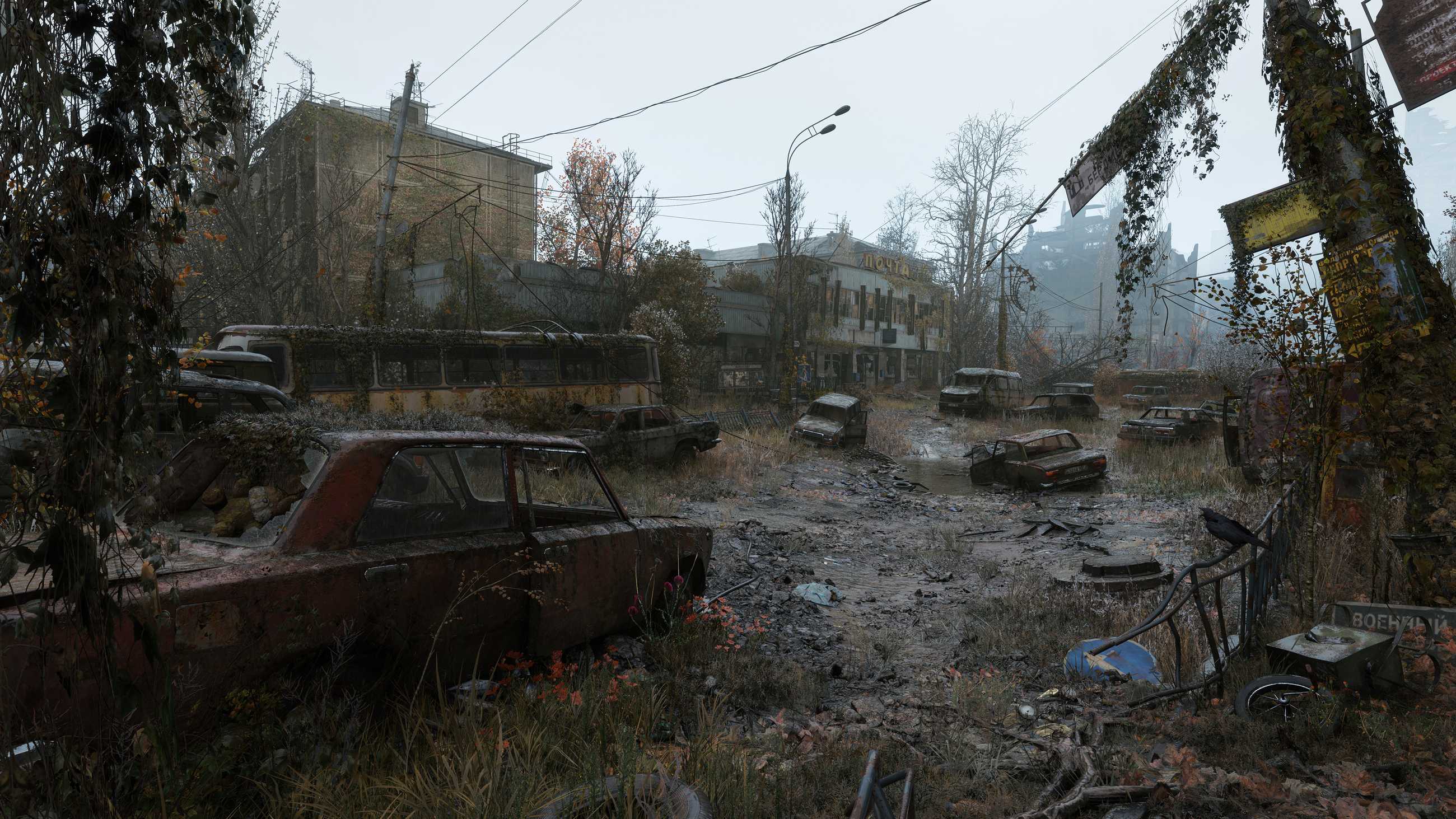
As soon as I reached the surface, I wasted no time at all outright ignoring the main mission and just going wherever curiosity led me. Wandering away from that critical path, I was spending something to do it, whether that was precious seconds on my gas mask filter, ammunition I might need later, or simply the risk of wandering into an area with radiation levels so high that the visual and audio feedback would send me into an overstimulated spiral within seconds. At the same time, those detours were often where I found the very things keeping me alive, including crafting materials for more filters and medkits, ammunition, and other supplies. So, even when I knew exploring one more abandoned building could put me in a worse position than I was already in, there was always the possibility that what I found inside would make the risk worth taking.
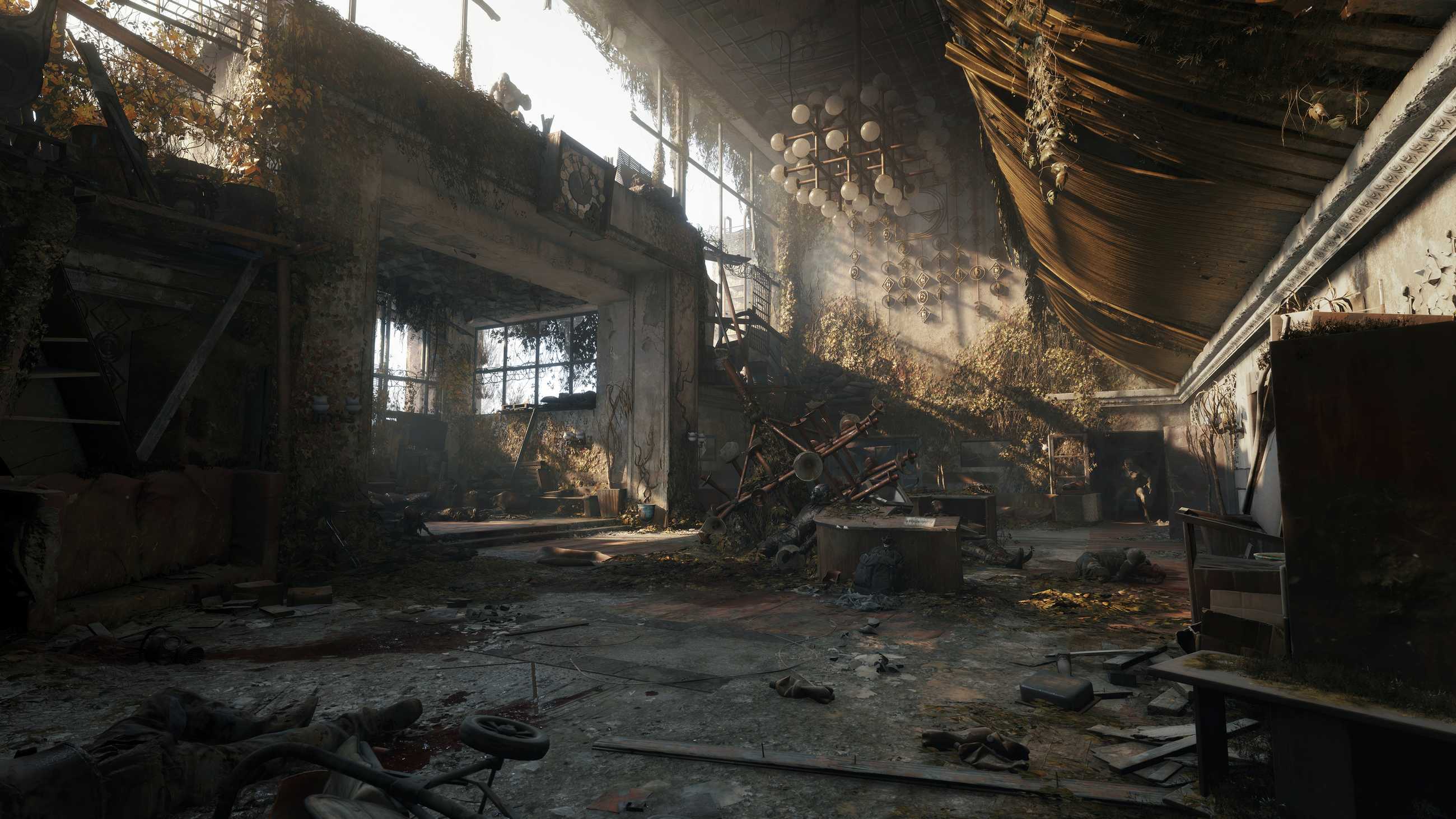
Metro 2039 then gives me even more reasons to take those risks by making exploration about much more than scavenging. One building might contain a weapon blueprint, while another could have a locked room with a four-digit code that I needed to piece together by searching the surrounding area. The new UV flashlight became especially useful here, as I could use it to reveal markings and hidden clues that weren't visible otherwise, including information needed to solve some of those codes. Elsewhere, I could break padlocks, use a cutting torch to get through welded doors, or blow through weakened walls with a breaching charge, so I quickly learned that something appearing inaccessible didn't necessarily mean I was supposed to leave it alone.
سەرچاوەی فەرمی بە زمانی ئینگلیزی: https://gamerant.com/metro-2039-hands-on-preview/