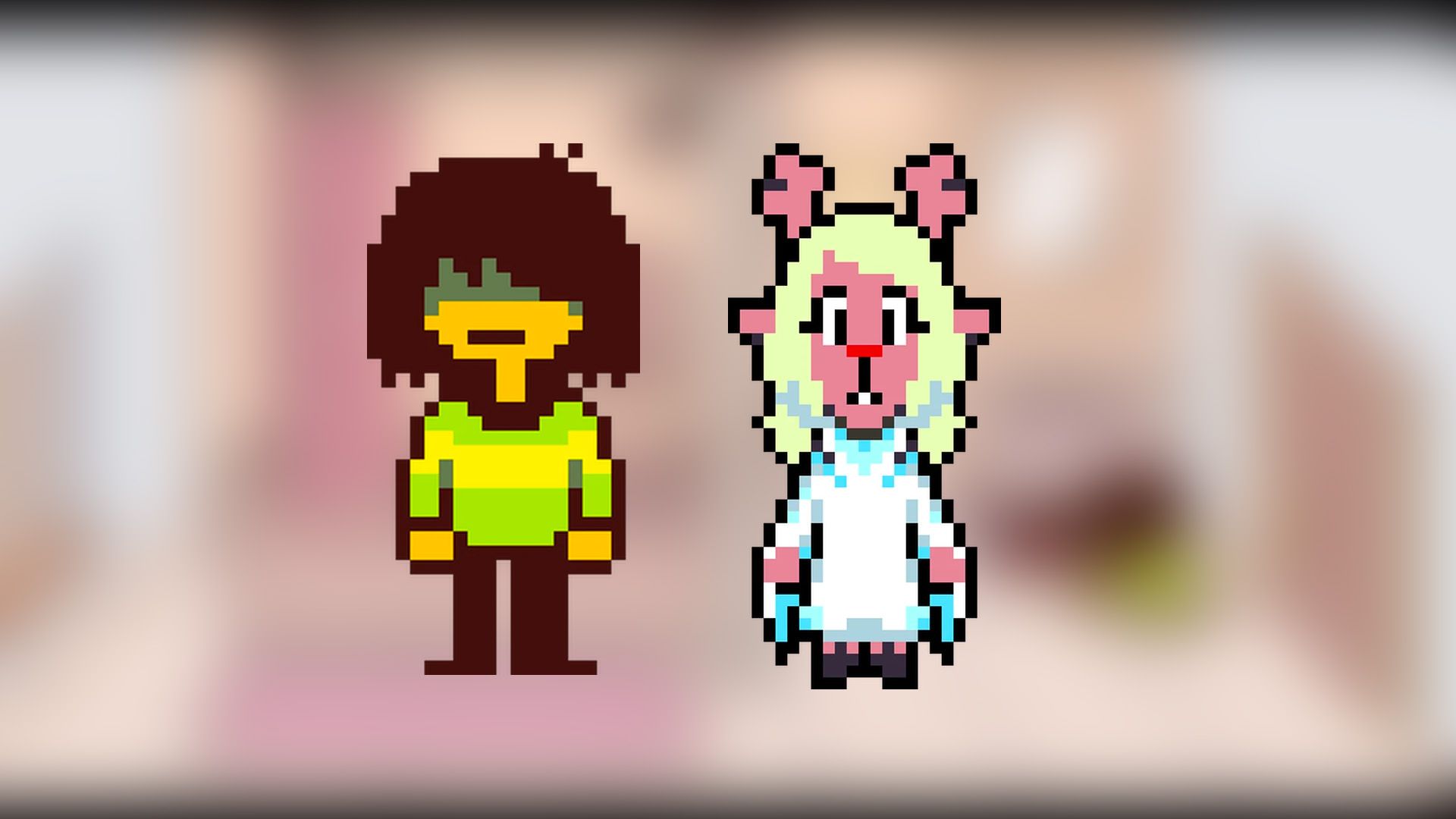
Deltarune is the highly anticipated indie RPG sequel to Undertale, Toby Fox's hit crowdfunded RPG. Just like Undertale, Deltarune is praised for its deep themes, combat systems, original story, music, and highly original approach. In my opinion, there are few games quite like Deltarune, which is a testament to Toby Fox's unique vision.
From the way Deltarune plays around with player agency to its narrative and mechanical flourishes, the game is a masterpiece on multiple levels. Both its literal story and the history of its development and its relationship to Undertale make Deltarune one of the most fascinating stories in gaming today.

Toby Fox has said his initial Deltarune concept dates to 2011. It's normal for creators of all kinds to sit on an idea for a long time. I write fiction too, and I've got ideas knocking around in my head dating back to my childhood. What's cool about Deltarune, though, is that unlike most big commercial game projects, Deltarune is a very personal story with a very personal history.
Fox attempted to make the project before, but stopped. He even reused some of its music in Undertale, and he decided to make Deltarune around the same time as the Undertale Kickstarter. What I find really interesting about this is that you can see older pieces of Deltarune in Undertale, and you can, of course, see Undertale in Deltarune. This kind of authentic, personal approach is something that really only shines through in indie games, and Deltarune is an especially good example.

Initially, Fox wanted to wait until he'd finished Deltarune before releasing it all at once. That didn't pan out. In the end, he found that waiting for it to be finished was agony for both him and the fanbase. That called for a change of tack.
I think the actual release history is particularly fascinating, especially because it changed over the game's lifetime. Deltarune has been available as a free demo, paid expansions, and finally a paid game with free chapter expansions. It's hard to imagine this approach working for the vast majority of games, but Toby Fox and Deltarune managed it.
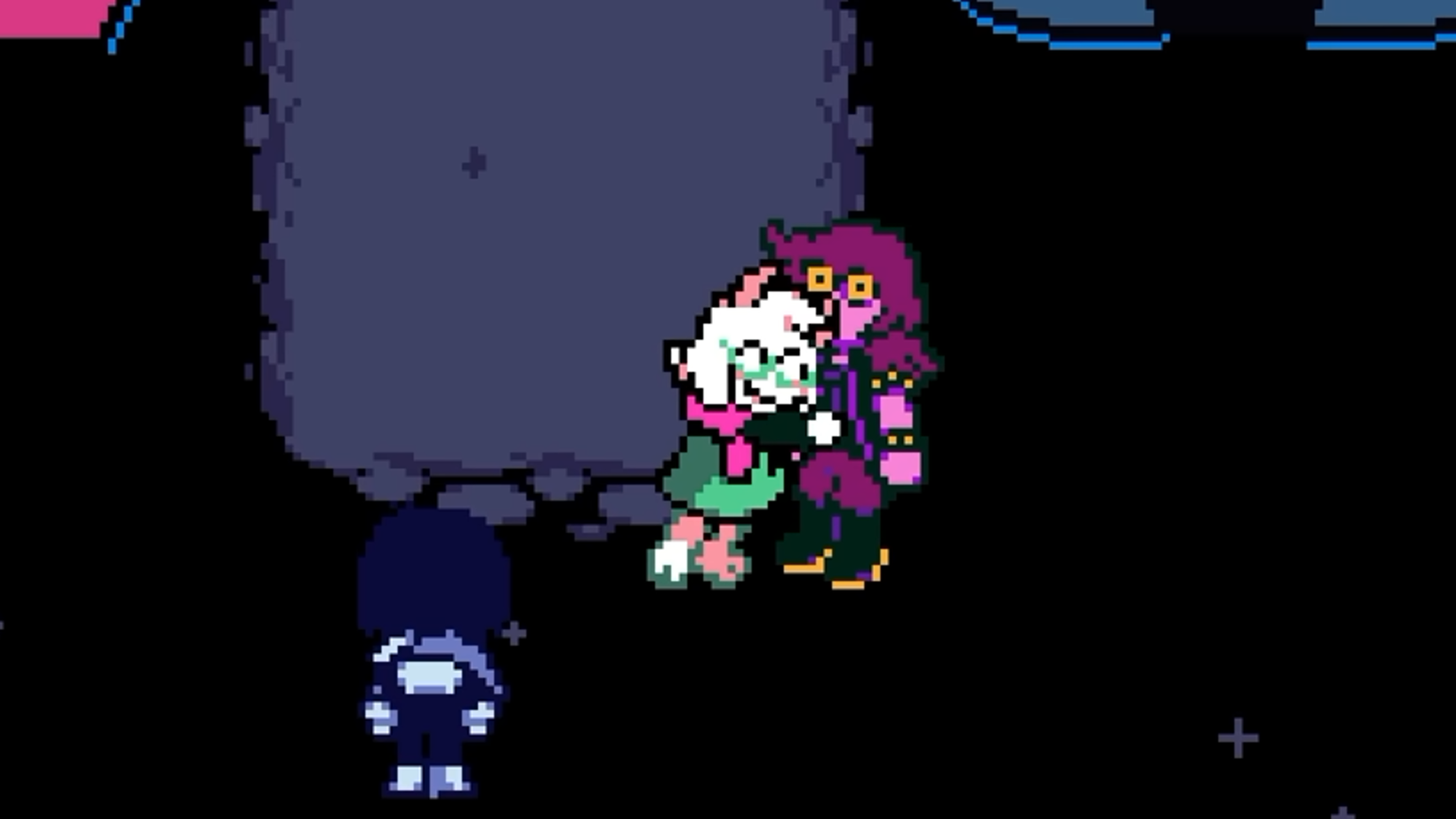
These days, the odd big studio will commit to heavily polished and planned developer diaries or communications with fans, but Fox makes fans feel part of the process. He discusses the game's development in genuinely open terms, telling fans about unfinished chapters, testing, technical problems, and even changes from prior plans.
This approach is fundamentally different from most other games with this level of cultural sway. Fans get to watch the development in near real time, making the development process almost part of the game experience itself. I find this pretty compelling, as someone interested in both playing games and the process of making them — and I think the Deltarune fanbase does, too.

سەرچاوەی فەرمی بە زمانی ئینگلیزی: https://www.dualshockers.com/reasons-deltarune-is-fascinating-ongoing-story/