Murillo Zerbinatto سەرنوسەرێکە لە DualShockers کە تایبەتە بە JRPG و RPG و پێداچوونەوە و ڕێنمایی و لیستەکان. لە ساڵی ٢٠١٨ەوە بە شێوەیەکی پیشەیی دەنووسێت و لە ساڵی ٢٠٢٠ەوە یارییەکانی ڕووماڵ دەکات، پێشتر کارەکانی لە Xfire، RPGInformer، IndieGameCulture، و GameRant بڵاوکراونەتەوە.
موریلۆ ماوەیەکی زۆرە ئارەزومەندی JRPG بووە، زیاتر لە 250 JRPG یاری کردووە و زیاتر لە 100 جامی پلاتینیۆمی بەدەستهێناوە، ئەمەش ئەزموونێکی قووڵی دەستی پێبەخشیوە لەگەڵ سیستەمی پێشکەوتنی ژانرەکە، ناوەڕۆکی لاوەکی، کۆکراوە و تەحەددای تەواوکاری. زۆرجار ڕووماڵەکانی لەسەر فرەنچایزەکانی وەک فاینەڵ فانتازیا، دراگۆن کوێست، ترایلز، تاڵز ئۆف و ستار ئۆشن.
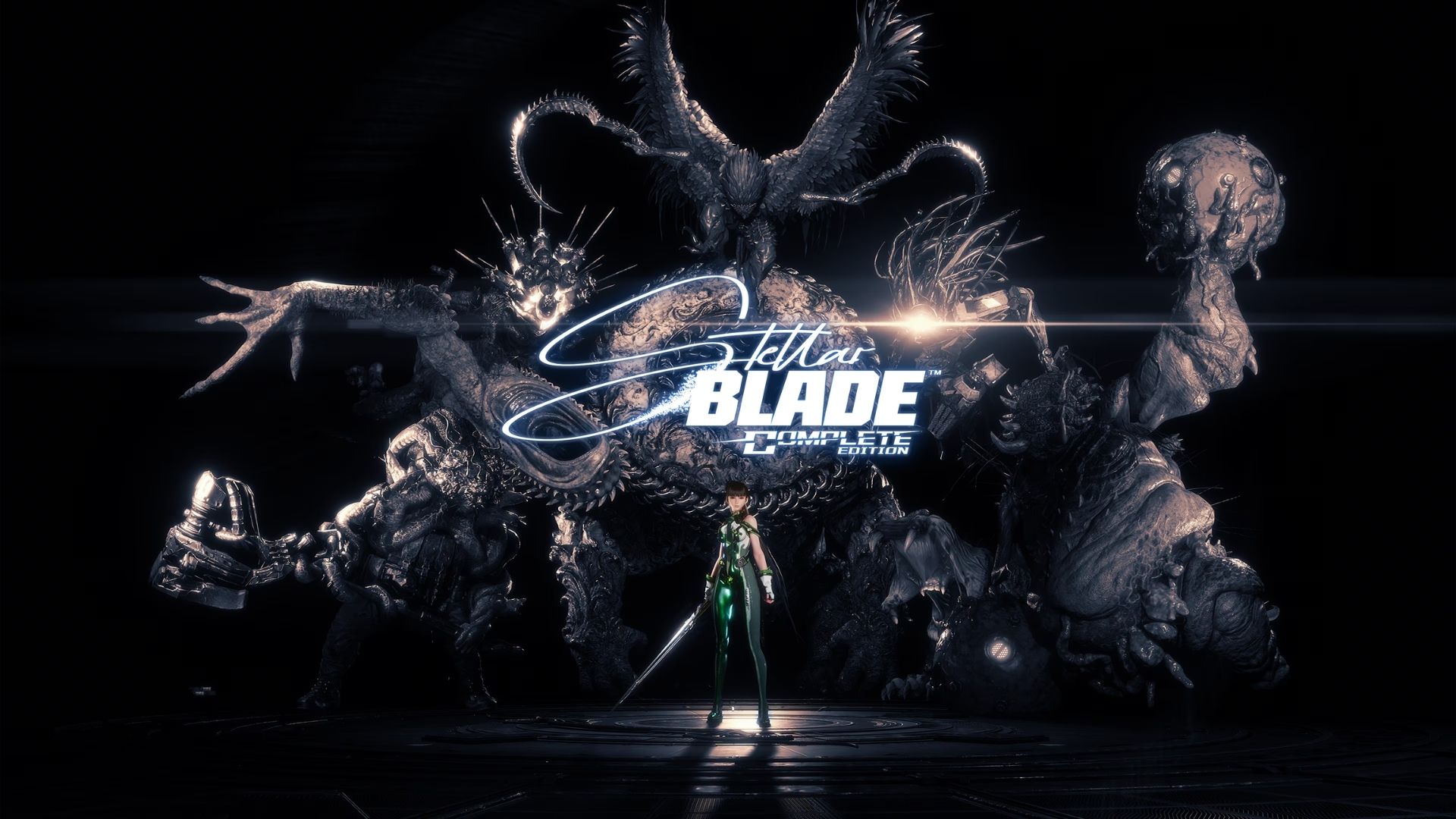
Developer Shift UP revealed more details about Stellar Blade’s performance on the Nintendo Switch 2, including all the numbers we like, from resolution, the use of DLSS, as well as the fan-favorite buzzword, frame rates. While the good news is that the developer is targeting 60 FPS, the key word here is targeting.
According to a recent trailer for Stellar Blade, the game was running at 60 FPS on Switch 2. However, speaking with Nintendo Everything, CTO DongKi Lee said that although Switch 2 supports Nvidia's DLSS technology, it only works for upscaling resolution, not for frame generation. To hit 60 FPS, the CTO explains that they used AMD’s FSR 3.1 technology alongside the frame interpolation feature. It’s a lot of technical lingos, but all we need to know is that the Switch 2 can handle Stellar Blade at 60 FPS.


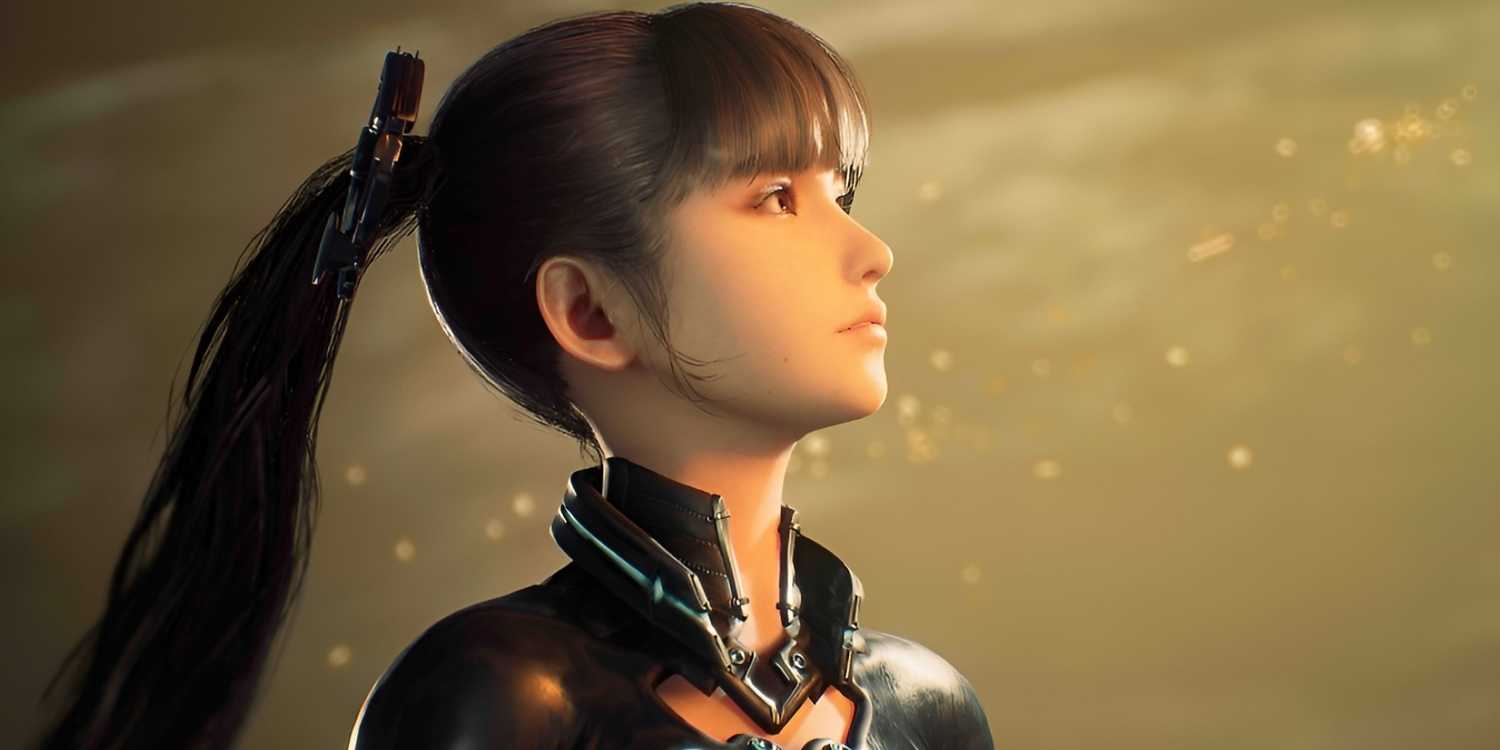

DongKi Lee explains that the goal is to get Stellar Blade running at 60 FPS both when docked and in handheld mode, which we know is a tall order, but quite feasible within the Nintendo Switch 2. The resolution is already confirmed, sitting at 1080p docked and 720p unscaled for handheld, which means that with Nvidia’s DLSS, it can hit higher resolutions.
“So we targeted 60 frames per second in both handheld mode and docked mode. And actually, one unique method that we use is that, as you are very well aware, Switch 2 supports Nvidia’s DLSS. We use that to upscale, but it doesn’t support… it doesn’t have any features for frame generation. What we did was we take AMD’s FSR 3.1 for PC and used the feature called frame interpolation to achieve the target for 60 frames per second. We use DLSS for upscaling, and then took the result we got and used frame interpolation from FSR 3.1 to be able to target 60 frames per second. Also, it was important to have even latency for players. We have 30 frames per second to have it even and then use interpolation – a frame interpolation – for targeting 60.”
The keyword in the news is targeting 60 FPS, which means Shift UP hasn’t confirmed that Stellar Blade is running at this frame rate as of now, or at least, not throughout the entire game. DongKi Lee notes that working with Switch 2 demands a back-and-forth balance between the two modes, which allowed them to learn a lot about the hardware. This is pivotal not only to bringing Stellar Blade with the best possible performance to Switch 2, but also to perhaps releasing Stellar Blade: Bloodrain on Switch 2 as well.
What we did was we take AMD’s FSR 3.1 for PC and used the feature called frame interpolation to achieve the target for 60 frames per second.
سەرچاوەی فەرمی بە زمانی ئینگلیزی: https://www.dualshockers.com/stellar-blade-reveals-switch-2-performance/