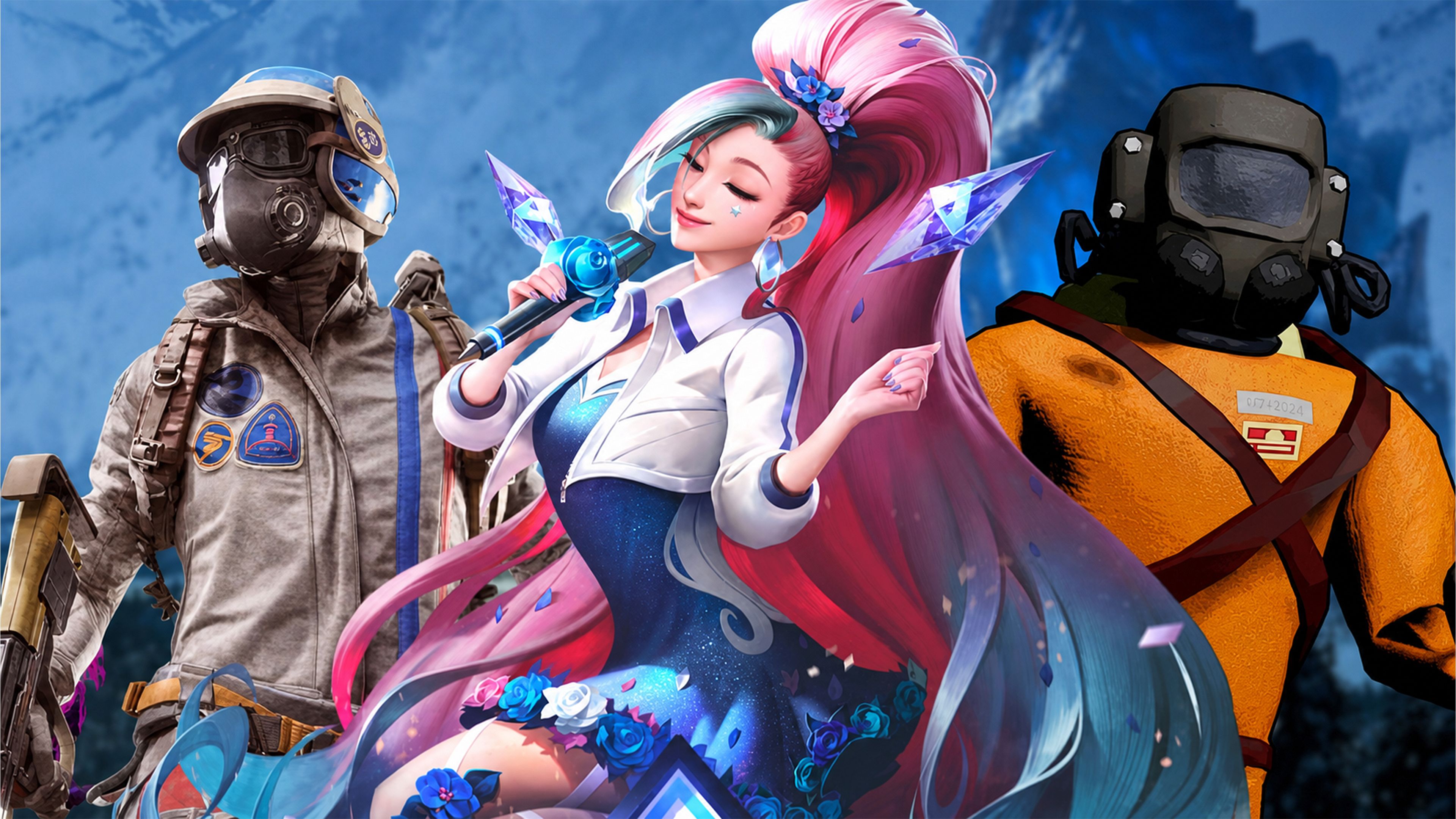
Voice chat has become a staple part of virtually every modern multiplayer game, from shooters to MOBAs, but there is one game that has been missing the feature for over a decade and is finally taking the plunge. League of Legends is going to be joining the vocal club, with a slow rollout across NA and Oceania, which should hopefully spread to the rest of the world over the coming months, and the devs have already mentioned a multitude of features and requirements to help combat toxicity and to make the whole experience better for everyone involved.
However, as great as the news is, it raises some vital questions about multiplayer voice chat as a whole and about how our relationship with speech in gaming has evolved. League of Legends is a very complex game that requires extensive coordination and moderation to filter out bad actors, and as a result, we have to wonder whether voice chat is even a good fit for something with so many variables. There is a huge amount of data and existing voice chat evidence that shows the good, the bad, and the ugly of the feature, so it comes down to how much you are willing to sacrifice and deal with as an individual in order to potentially have some funny and rewarding encounters with the rest of the player base.


Video games are an incredible medium that allows people to connect and share the joy of something in real time, but because of the competitive stakes in a game like League of Legends, a lot of the fun factor can quickly be replaced by an unrelenting desire to win. That means that it is common to find people who are quite happy to throw around all kinds of nasty words and be brutally honest in the middle of the game, and while you can convey a lot of that over text chat, you feel far more emotion when those words can be physically heard.
چوونەژوورەوە
بۆ ئەوەی ئیدیعای شوێنی خۆت بکەیت لەسەر لیدەربۆرد!
چوونەژوورەوە
بۆ ئەوەی ئیدیعای شوێنی خۆت بکەیت لەسەر لیدەربۆرد!
Competitive games have had toxicity since the dawn of time, and it has been interesting to see how different developers handle verbal and written abuse. Valve's games, for instance, have much more aggressive communities full of people who have no issue with being mean or speaking their mind to strangers, and while there are punishments from reports like in-game mutes and potential bans, the system is way less focused on automatically detecting those moments. And the reason why getting voice chat right is crucial to having a more well-rounded competitive environment is that in solo-queue, you don't have five people on both teams talking in Discord, so having an in-game voice function solves that communication gap at the same time as introducing potential complications.
It comes down to how much you are willing to sacrifice and deal with as an individual in order to potentially have some funny and rewarding encounters with the rest of the player base.
Another aspect to consider is how different voices are perceived by online communities. Someone might hear a tone or a speech pattern and begin making assumptions or even insulting the person for no other reason than how their voice sounds, and that is a large reason why female players or people whose second language is the one being spoken often feel hesitant to switch on the mics due to previous experiences and how others have been treated. This exact issue has been combated with ARC Raiders and soon-to-be League of Legends, with a voice changer that lets players hide their true voice, whilst still getting to talk to their teammates and coordinate plays like anyone else. In an ideal world, everyone should be able to speak however and whenever they choose, but unfortunately, we simply do not exist in that universe.

سەرچاوەی فەرمی بە زمانی ئینگلیزی: https://gamerant.com/league-of-legends-voice-chat-toxicity-moderation-multiplayer-games/