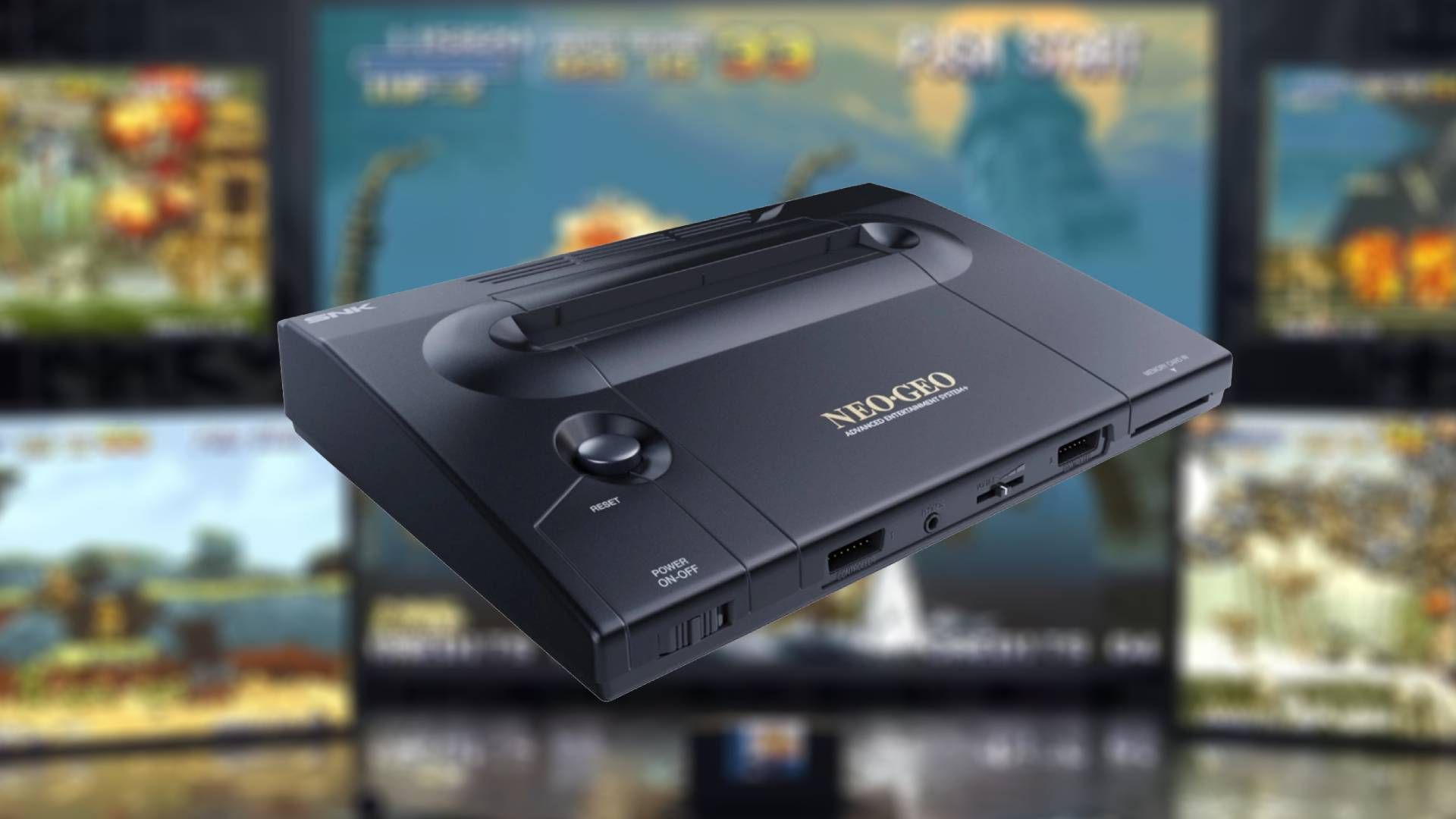
The Neo Geo AES+, a remake of SNK's '90s home arcade console, is currently delayed until September 2027, but it almost didn't happen at all. While you'd be forgiven for thinking AI data centre demand exclusively ties to GPUs, RAM, and high-spec components, it's also hogging up the very flash chips the system will rely on, and creators Plaion say the project was "almost dead."
In a conversation with VGC, Plaion's hardware & software director Ben Jones dives into the AI-driven predicament that almost cancelled the Neo Geo AES+. The main retro console remake rigmarole stems from procuring the aforementioned flash chips, following an extremely successful launch.
“After we announced AES+, we received an overwhelming response and really significant levels of preorders,” explains Jones. “So I straight away went into the procurement phase, and advised our partners in the Far East what our requirements were, and it’s the first time I’ve ever been refused ordering chips, and I’ve worked with Plaion for nearly 20 years in this field. I was like, ‘What do you mean you can’t get these chips? Oh, AI.’”
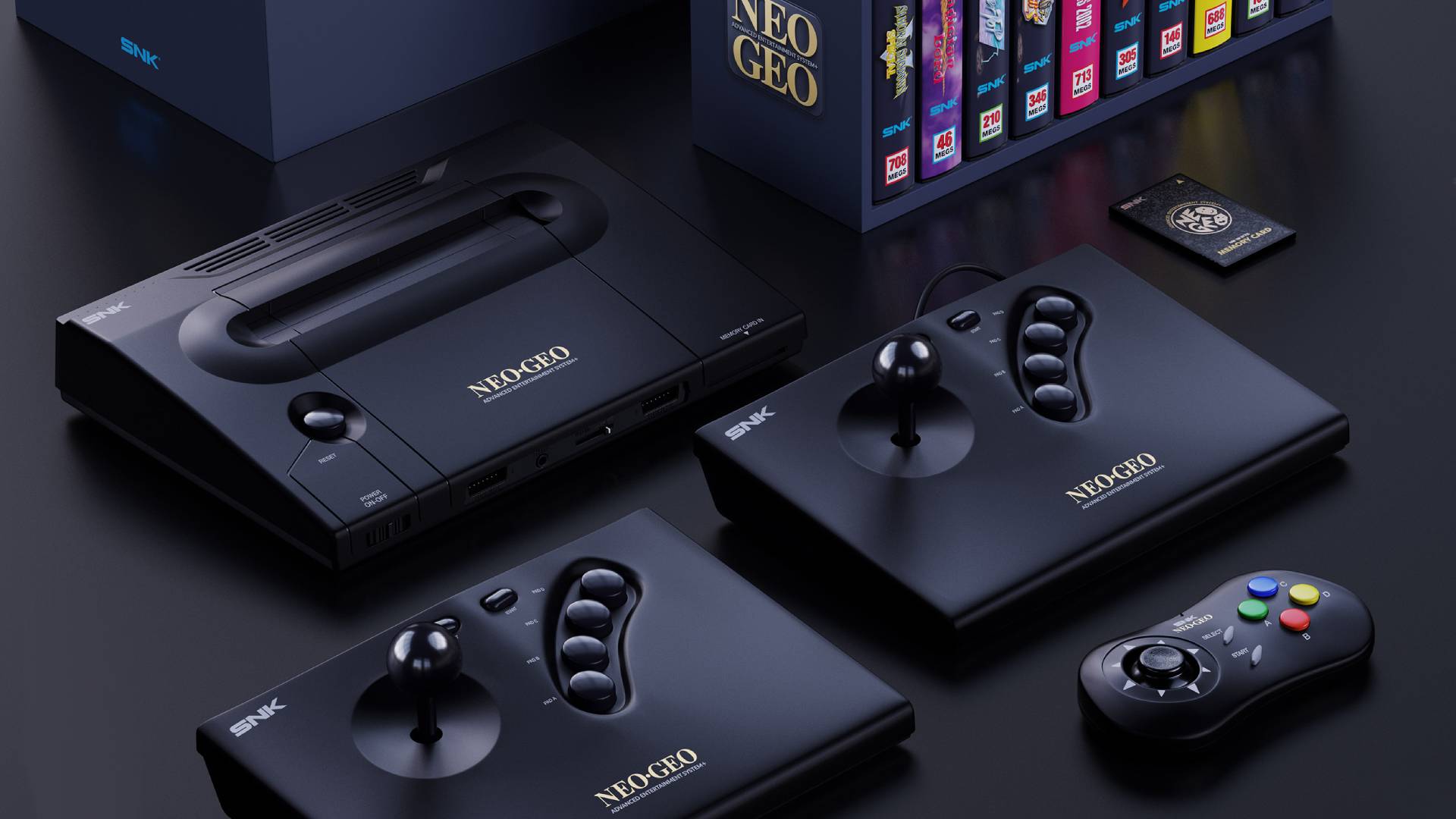
The chip rejection ties to the exact same shortages, ramping up the price of gaming PC components, gaming handhelds like the Steam Deck OLED, and just about anything that uses memory. However, this specific instance of RAMageddon highlights just how much datacentres are choking hardware production as we know it, as it suggests that if you're not dealing in AI, you're at the back of the fabrication queue, even if you're using chips designed to mimic '90s tech.
Effectively, the Neo Geo AES+ was at risk of being cancelled completely. But, having already obtained chips for the console's iconically huge cartridges, Jones reveals that a workaround is now being put into action.
“We had already made the two ASIC chips in the cartridges that kind of deal with the memory chips, and then send the message to the machine itself. We had thousands of these chips ready for the cartridges," explains the Plaion director. "With that in mind, we tasked ourselves to try and see if there was some kind of a workaround with using what’s called Serial NOR flash, which is basically the same as parallel, but because the NeoGeo only uses parallel flash, you have to do a conversion that lets you use serial flash, which is in easier demand and you can basically get them."
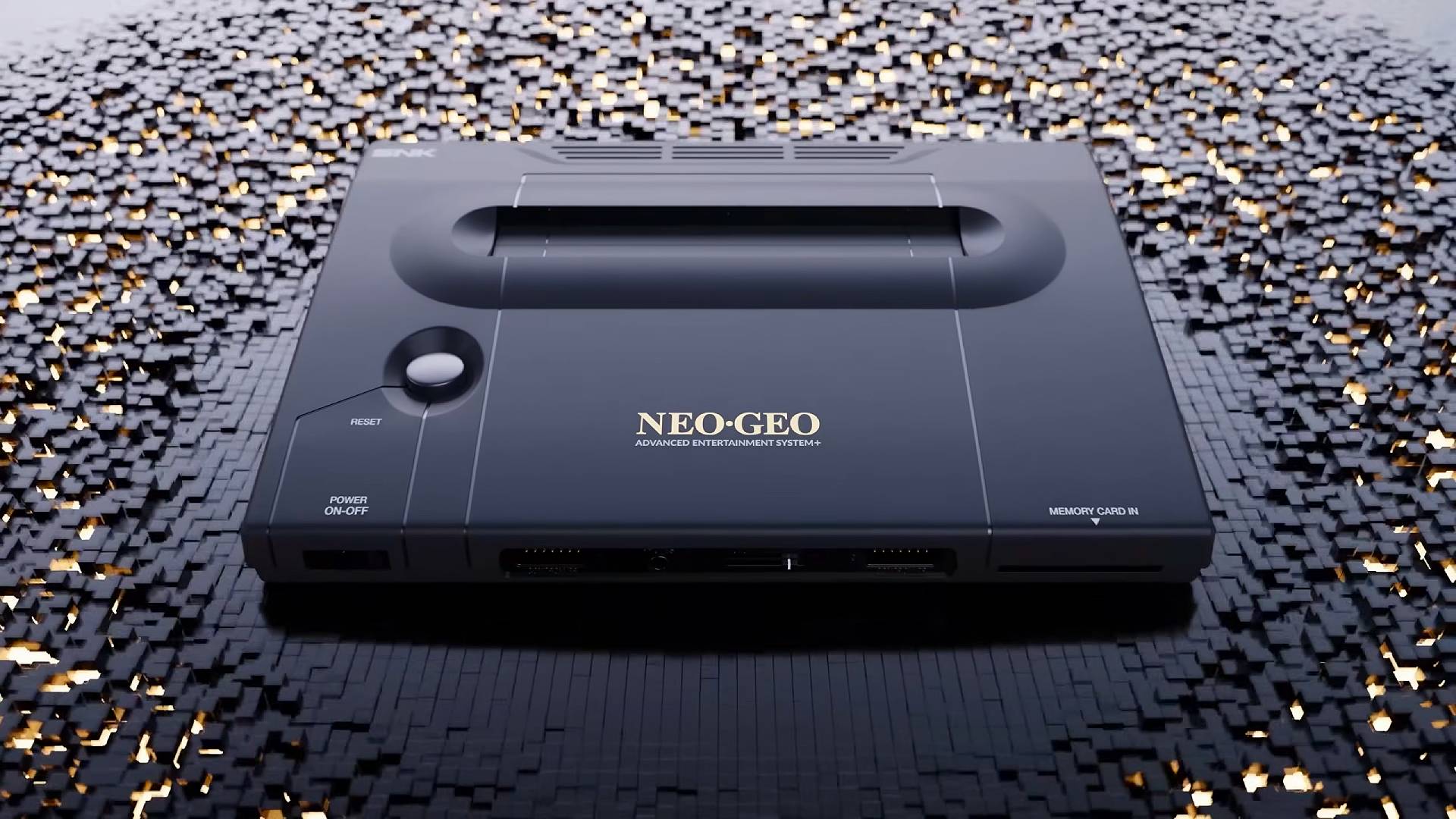
The workaround of converting signals from parallel to serial has delayed the Neo Geo AES+ to 2027, but the company's Chief Technical Officer Bruno Steux says it "didn't have a choice" given the circumstances. Otherwise, the wait for chips would have caused the retro console maker to "wait too much time, and probably spend too much money."
هەفتانە هەرسکردنەکان، چیرۆکەکانی ئەو کۆمەڵگایانەی کە خۆشت دەوێن و زۆر شتی تر
سەرچاوەی فەرمی بە زمانی ئینگلیزی: https://www.gamesradar.com/hardware/retro/it-was-a-bit-of-a-nothing-stops-this-train-moment-the-neo-geo-aes-almost-didnt-happen-thanks-to-ai-but-a-chip-workaround-saved-the-day/