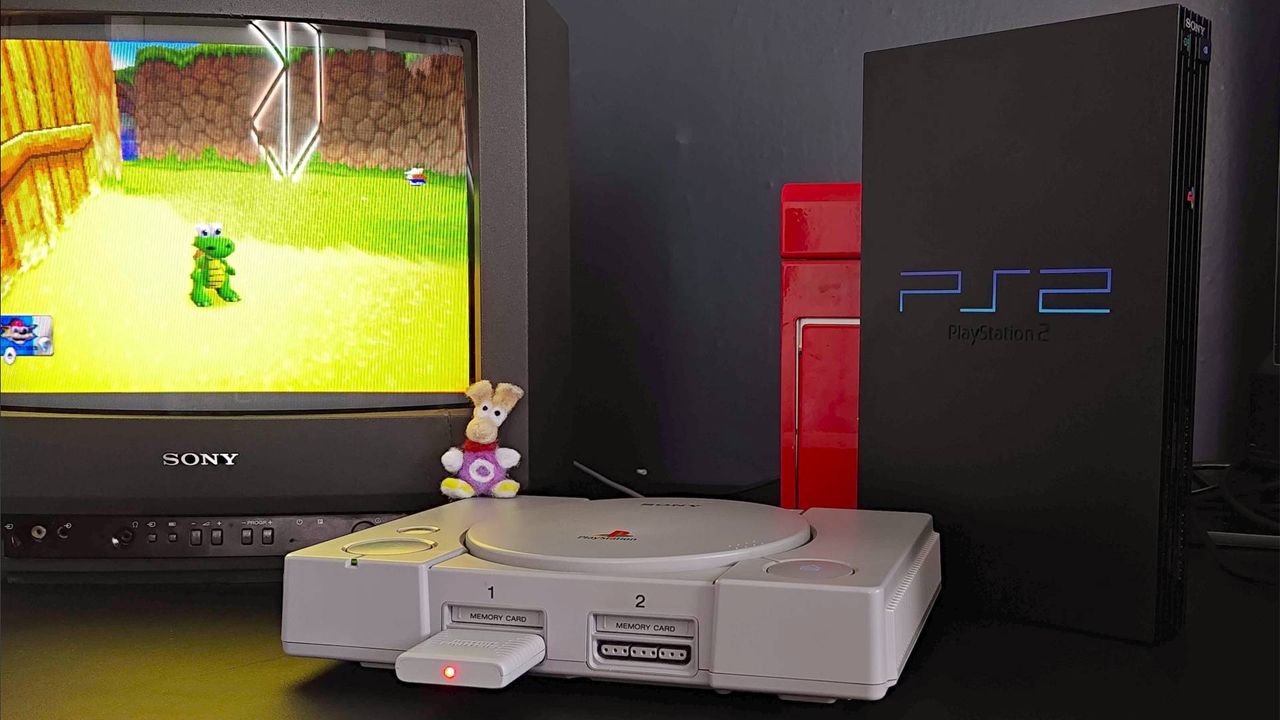
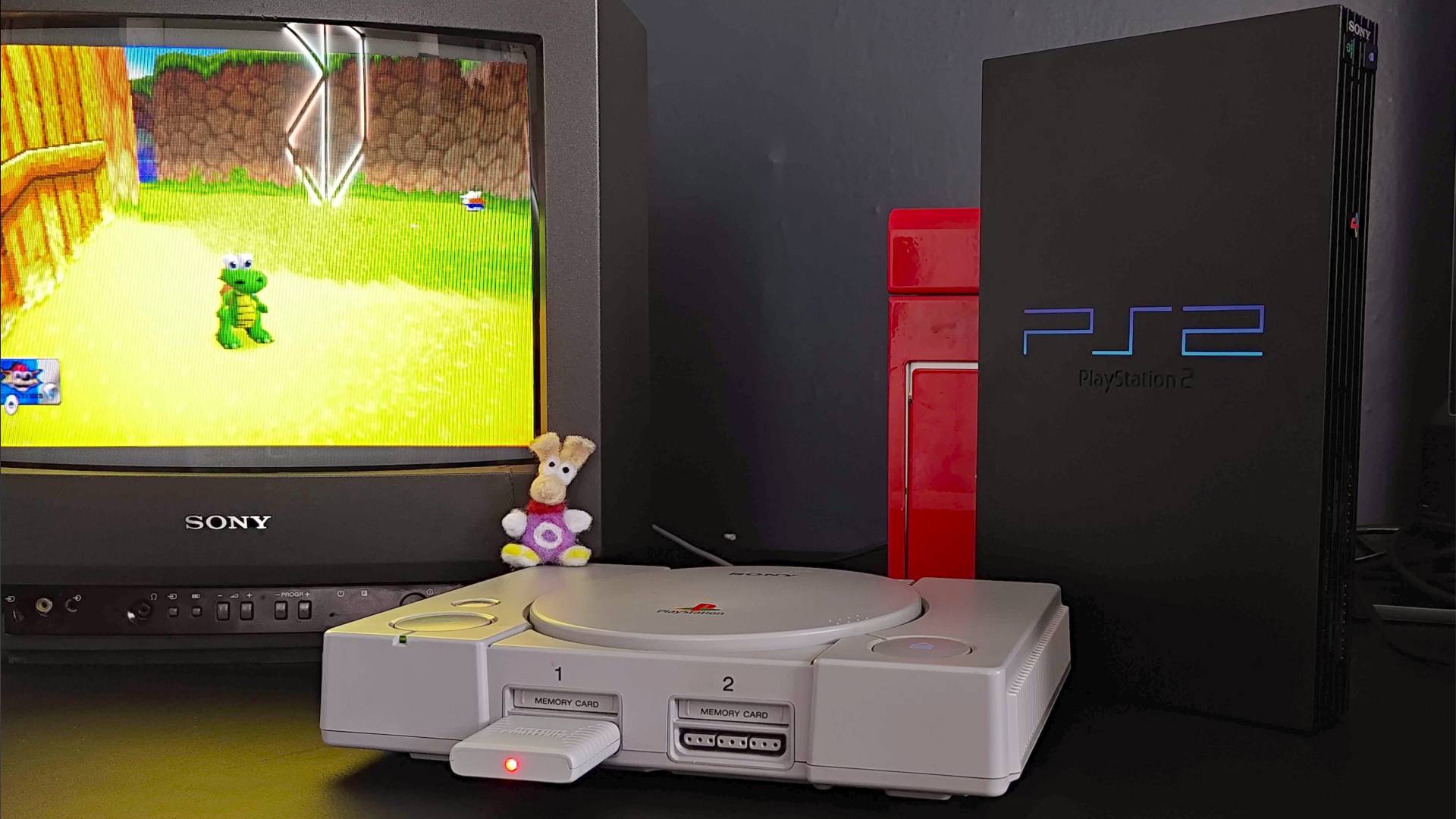
By rights, the original PlayStation should be an icon, but I can't help but feel the PS1 lives in the shadow of the PlayStation 2. After all, the latter is the best-selling console of all time, not to mention it can run its predecessor's library thanks to backwards compatibility. However, I need everyone to stop telling new players to just "pick up a PS2", as if you're specifically looking to play those original black discs; it could end in tears.
That's not to say that if you've already sussed out how to play PS2 games on original hardware, you can't use it for PS1 discs. The sequel system has the same MIPS R3000A microprocessor as the '90s retro console, and that means it can run 98% of the OG PlayStation library. The problem is that various other hardware differences can get in the way of you playing certified classics, and the issues stem from subtle differences with the PlayStation 2 outside of backwards compatibility.
When I first got my hands on the mighty PlayStation 2, it evicted every other console from my CRT TV trolley. Luckily, I've never gotten rid of a console in my life, so upon running into various weird hiccups with PS1 games, including even Tomb Raider 2, I fetched the original and popped it on top of its successor. To this day, I still use a separate system for PlayStation discs, and if you're serious about that specific library, you probably should too.
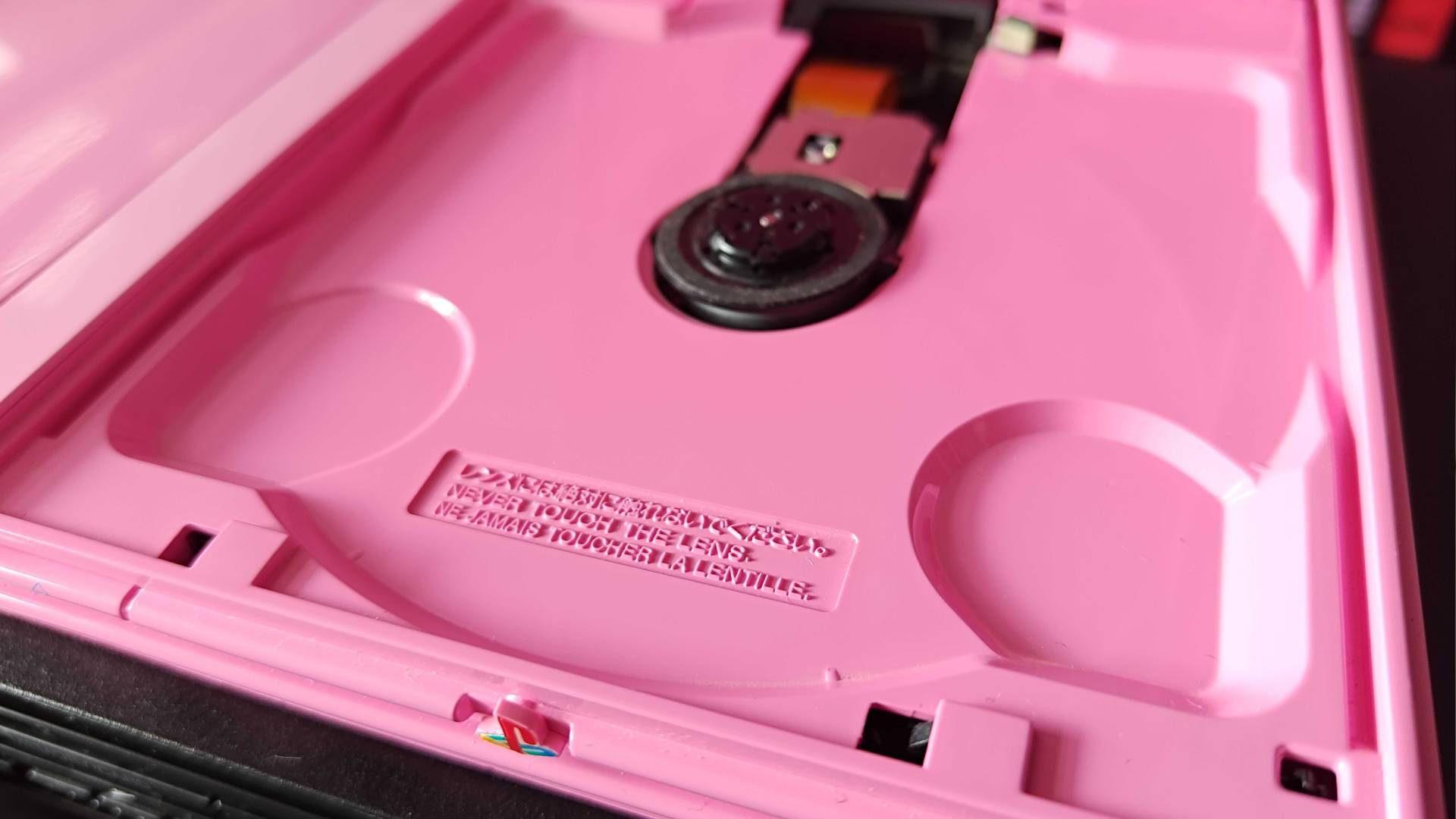
Functionally speaking, the PS1 and PS2 perform similar tricks. Pop in a disc, close the lid, and boom, you're playing a video game. Of course, even those of you who aren't tech-savvy will know the PlayStation 2 is designed to run DVDs, whereas its predecessor deals in CDs, and while that doesn't stop the sixth-gen system from running both, it's more a secondary role.
I don't want you to think the PS2 is bad at reading CDs; that's not strictly true. It's got a dual diode laser assembly that's specifically designed to run DVDs and those black discs. Out of the box, it'll have no trouble with either, but feed it something that's perhaps been resurfaced in a shop a few times back in the day, and the game's potentially a bogey.
I actually learned this the hard ware first hand upon aquiring a commercial disc resurfacing machine. The victim was a copy of Croc 2 for the PS1 that had scratches that looked deliberately inflicted, likely out of rage since the platformer is painful thanks to its slippery mechanics. Initially, its only issue on PS2 was that it'd refuse to play cutscenes, but after a few whirls in the Disc-go-devil, it refused to work in the PlayStation 2.
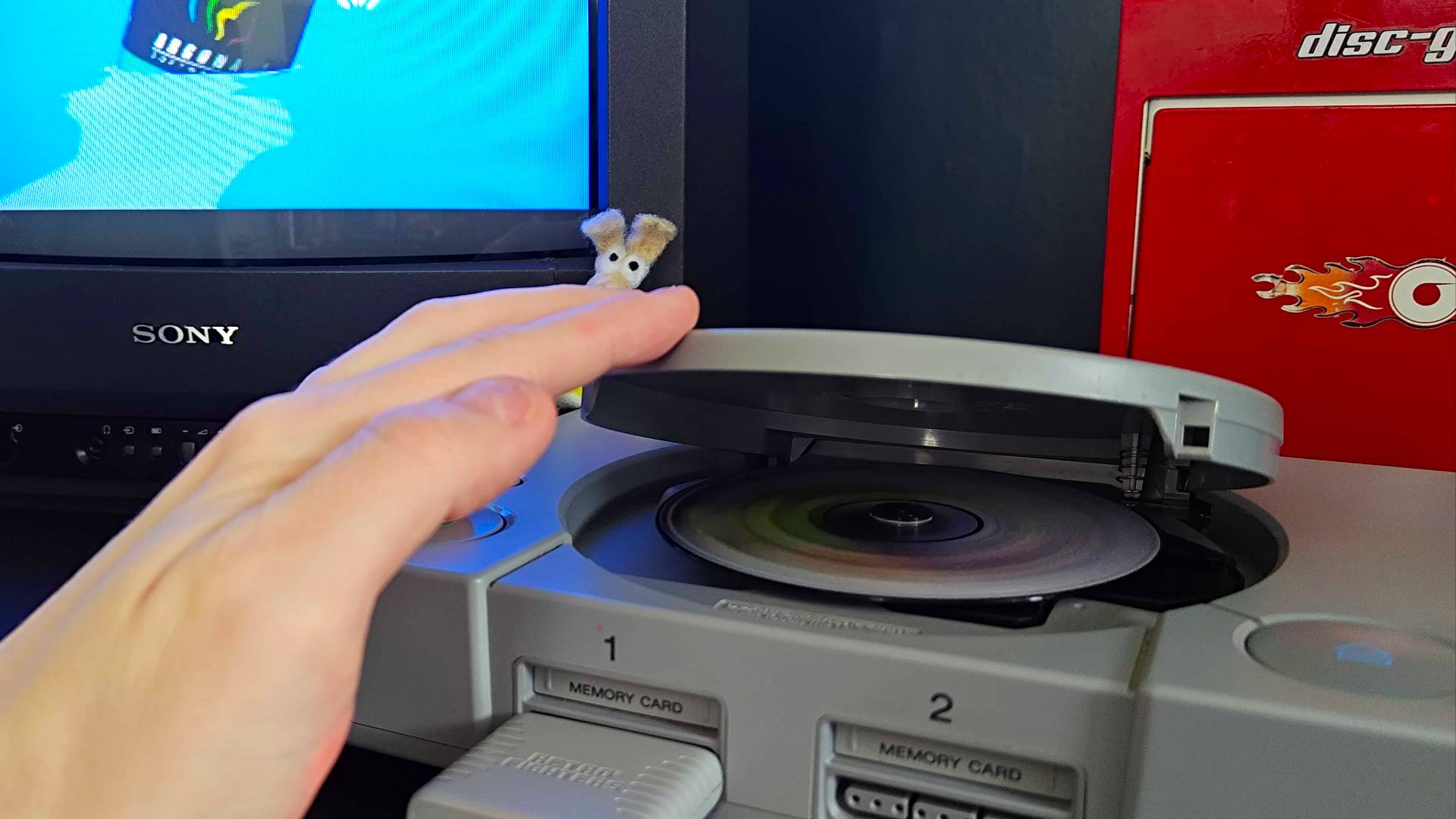
Whenever you "resurface" or "polish" a disc using a commercial machine, you're taking a microscopic layer off of your CD or DVD. One instance of repair shouldn't impact anything, but keeping it in for extended periods will reduce your discs density. This is exactly what trips the PS2 up, as it's setup is specifically sensitive when you change the 780nm CD requirements of its blue laser.
هەفتانە هەرسکردنەکان، چیرۆکەکانی ئەو کۆمەڵگایانەی کە خۆشت دەوێن و زۆر شتی تر
سەرچاوەی فەرمی بە زمانی ئینگلیزی: https://www.gamesradar.com/hardware/retro/backwards-compatibility-is-neat-but-id-grab-an-original-ps1-rather-than-listening-to-people-saying-just-buy-a-ps2