ئوسامە مەحموود نووسەری باڵایە لە کۆمپانیای DualShockers و زیاتر لە پێنج ساڵ ئەزموونی هەیە لە پیشەسازی یارییە ڤیدیۆییەکان. لە ساڵی ٢٠٢١ەوە بە شێوەیەکی پیشەیی دەنووسێت و لە ساڵی ٢٠٢٢ەوە یارییەکانی دەگرێتەوە، کارەکانی بریتین لە ڕێنماییەکان، لیستەکان، پێداچوونەوەکان و تایبەتمەندییەکان لە سەرانسەری یارییە ئەکشن-ئەڤێنتۆرەکان، JRPGs، ناونیشانەکانی جیهانی کراوە، یارییەکانی پێشبڕکێ و بڵاوکراوەکانی گێڕانەوە.
I've always had this raging obsession with the Remedy Connected Universe. I've had spiraling debates with friends over Alan Wake that immediately transition into gushing sessions about Control. The original game was so good, even though I've seen people with mixed opinions, which is also fine. But the recent sequel, Control Resonant, completely mesmerized me again and reminded me that, yeah, Remedy is truly a one-of-a-kind developer with ingenious ideas.
Being someone who 100-percented the OG Control twice across PC and PS5 and who plans to possibly do the same for Resonant just to show my support for Remedy, I've undertaken the task today to showcase to you the biggest differences between this latest action RPG sequel that make it feel like a whole different ballgame than its prequel from 2019, so stick around; I'm leaving no expense spared.

I'll get the obvious ones out of the way here first. The original Control revolves around Jesse's Service Weapon, a supernatural firearm previously owned by Director Trench that can transform into various property-changing forms like Grip, Shatter, Pierce, and Launch, alongside her paranatural abilities. Not to say that it's far from action, but it does create this aggressive rhythm where you're constantly shooting at Hiss while launching projectiles, as well as levitating and dodging to reposition yourself out of near-death moments.
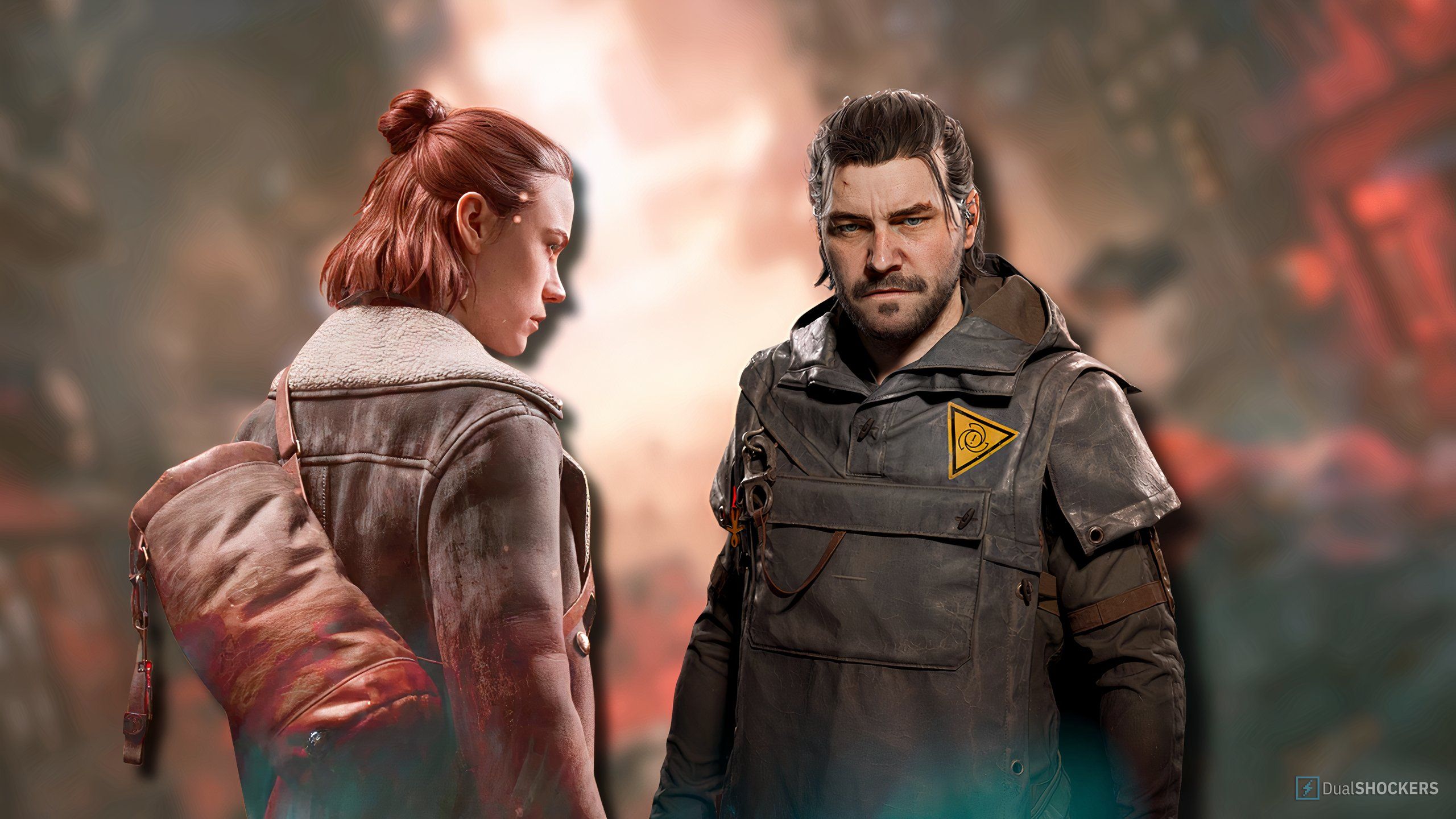
Resonant throws that formula out the window; well, sort of. Dylan's Aberrant is a shapeshifting melee weapon with three distinctive forms, along with secondary ones that allow you to transform it into things like a giant hammer and other close-range weapons to hack away at swarming enemies. That completely changes the feel of combat, since this time the game encourages you to stay up close and personal instead of playing it safe from a distance.

The original game is fundamentally Jesse's story; she enters the Oldest House looking for her brother and eventually becomes the Director of the Federal Bureau of Control. Also, well, you technically got to play as Jesse again in Alan Wake 2 with the Night Springs DLC. So now, it only seems right that Control Resonant flips that relationship around here. You play as Dylan Faden, who awakens after spending seven years in a coma and discovers that Jesse has disappeared, and his primary objective (funnily enough) becomes finding his sister.
While I'll refrain from spoiling anything, don't take my statement above as mistaking Dylan for "male Jesse." His calm yet anxious personality and overall relationship with the FBC give Resonant a considerably different tone. Plus, his entire history with the Hiss and what he did while contaminated are central to his character growth, with much of the game exploring his guilt, redemption, and his relationship with Jesse that fans like me always wanted to see fleshed out properly.

This one delves deeper into what I briefly mentioned in the first entry, but one of the biggest changes is how much more freedom you have over the weapons.Jesse’s Service Weapon was already pretty versatile, letting you swap depending on whether you wanted to fire a shotgun-like spread or unload a barrage of bullets. However, those forms largely functioned as predefined tools; you could upgrade them and equip mods, sure, but the basic identity remained the same.

سەرچاوەی فەرمی بە زمانی ئینگلیزی: https://www.dualshockers.com/biggest-differences-between-control-and-control-resonant/