

As Valheim 1.0 looms, I spoke to Iron Gate at Gamescom to reminisce over the survival game’s journey from unknown indie to industry titan.


I've just watched Iron Gate's Gamescom preview of Valheim 1.0, the survival game's biggest update to date. There's a bowl of assorted candy on the table; laughter is flowing, the vibes are, to go all Gen Z, immaculate. Amid levity, joking, and myriad virtual moose, I ask Art Director and Creative Lead, Robin 'Grimmcore' Eyre, and Producer Andreas 'Lumaaah' Tomasson if what I've seen is their final vision for Valheim: their Valheim Opus, if you will. "Not at all," Eyre says, with a shake of the head. "No?" I responded, shocked. "No," he replies. "We had visions, but we never thought it would turn into this."
Let's start at the beginning. Valheim entered early access in 2021, and, five years on, is finally hitting 1.0 in just a few short days. What was once a small indie endeavor has exploded to become one of the biggest survival games ever - one that's consistently held aloft as a stalwart part of the genre. 1.0, by Iron Gate's own admission, has been a slow but steady process; with a team of just nine people and no real intention to expand beyond that number, things have taken time. But on Wednesday September 9, Valheim leaves early access. "It is a long time later - almost 84 years later," Eyre jokes. "It's bittersweet: it's the end of an era, but a start of a new age."

As someone who's kept up with Valheim since it launched, what I saw at Gamescom looks and feels like a familiar, yet different game. There are snazzy, animated cutscenes now; ones that help tell the game's story, and are easily Netflix-worthy. They add a new layer of quality and narrative depth; something the team has always wanted to do. Said cinematic additions also include an ending sequence - yes, Valheim does have an end. While I haven't seen it, just talking about it reflexively raises goosebumps on Eyre's skin. In many ways, Valheim 1.0 does, to borrow Eyre's words, feel like "the end of an era."
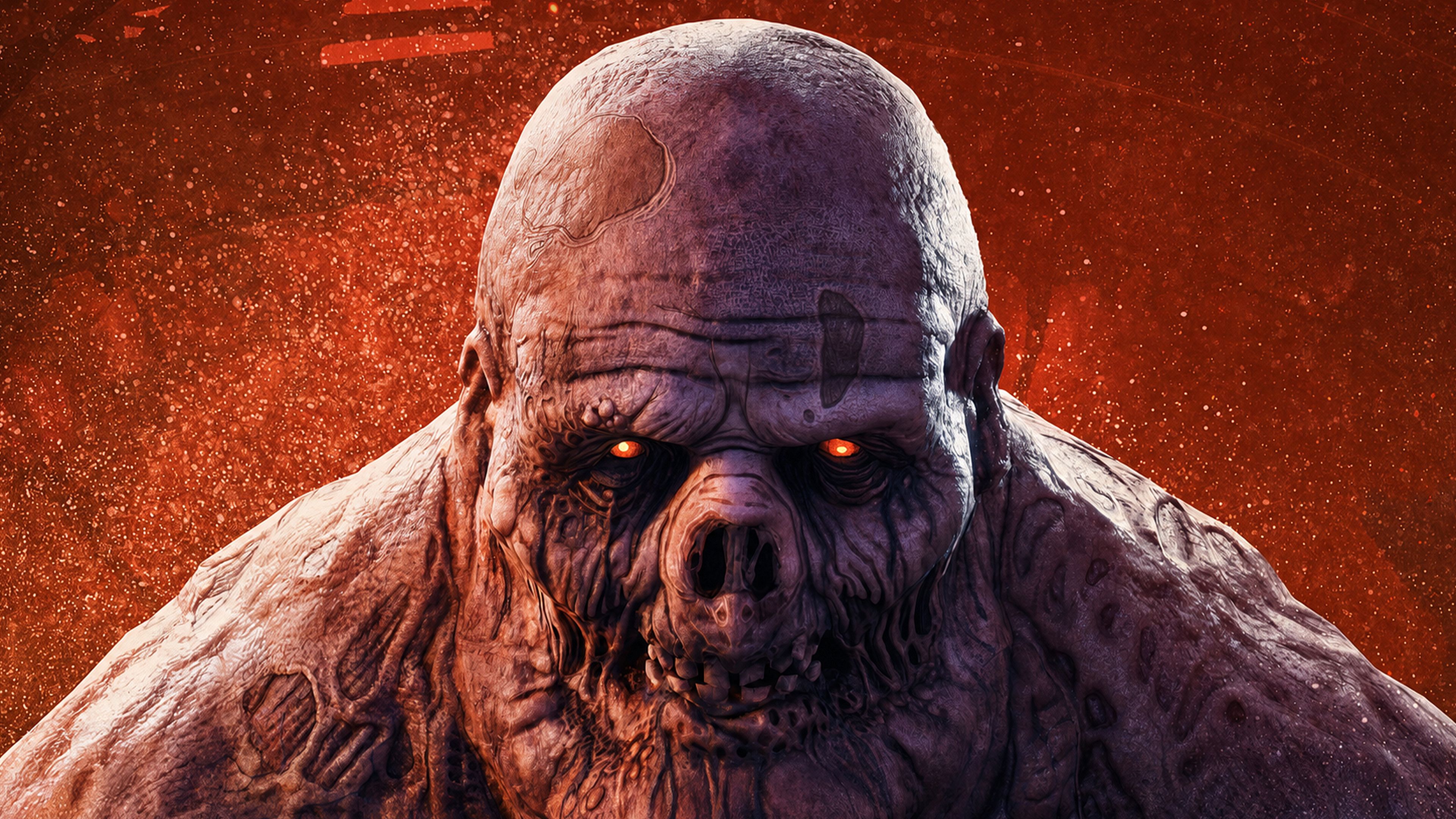
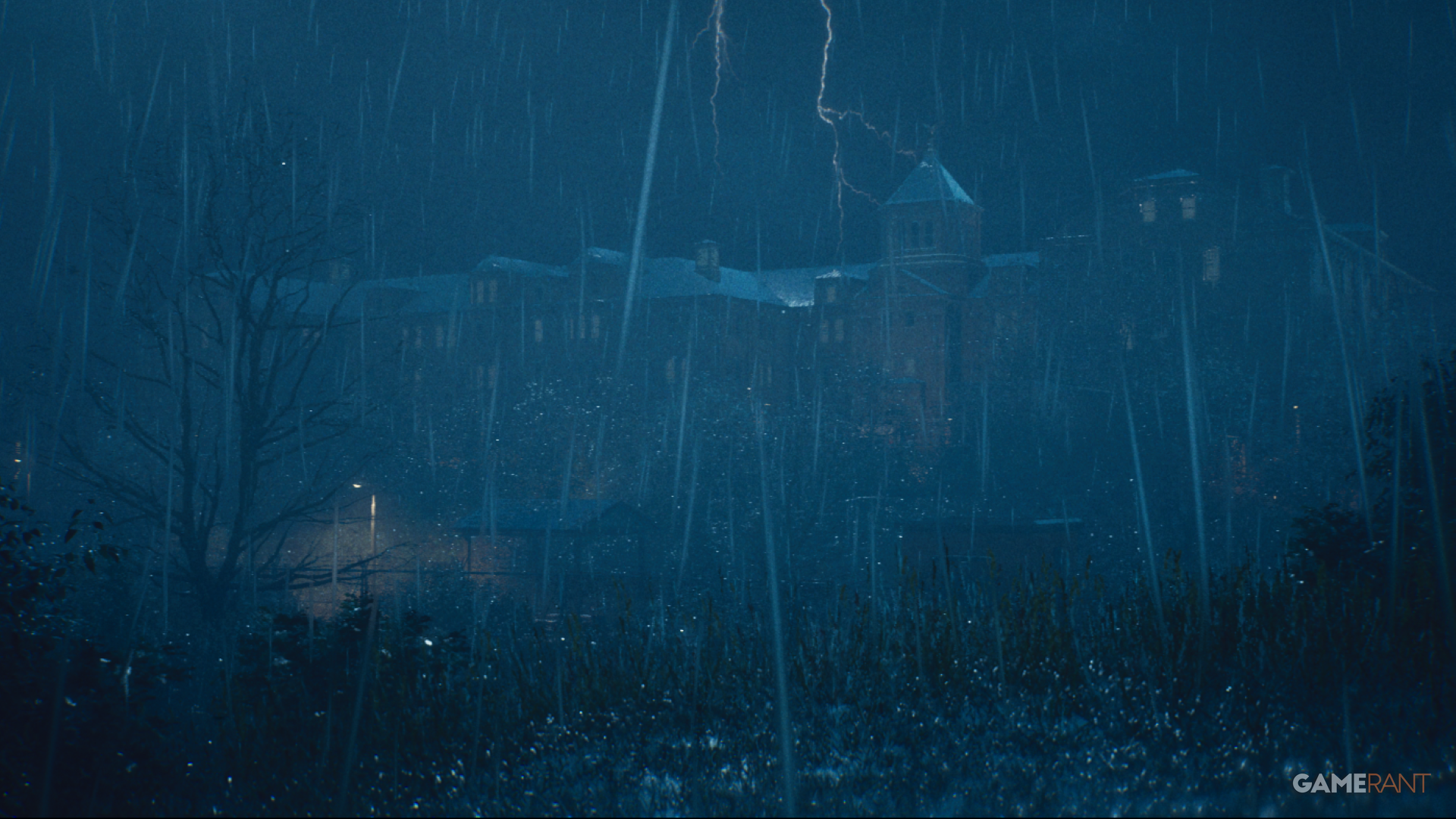
The game's final zone, The Deep North, is equally as reflective of this. A silent, frozen tundra where, to quote Eyre, Vikings "go to die," there's still combat (the zone is home to a colossal Gammeltroll, the biggest enemy Iron Gate has ever produced), yet there's an element of reverence; of coming home from time well spent, and watching the world slowly drift by. There are two dungeons - The Winding Tunnels, which Eyre wanted to call 'The Hole,' as well as a colossal castle-style structure - alongside the usual crafting and building opportunities. But, all in all, The Deep North just feels different from anything else we've seen in Valheim. It's restful, like a swansong.
The Deep North contrasts against the more combat-heavy feel of The Ashlands and Mistlands. The slower tempo is very much deliberate, but also feels reflective of the fact that this is 1.0; it is, in canonical sense, the end of your Viking's journey.
It's a switch up in style for sure, so I ask how the team's development strategy has changed over the years - it's no secret that Valheim launched as one game, and has (for better) become another. "When we released into early access we were selling one million copies a week for six or seven weeks," Eyre says. "With that influx of players, we got so many bug reports we had to spend the first six or seven months just fixing the game, because if people are buying and playing the game, we wanted the base version to work for them so that they were happy.
"We were five people back then," Eyre recalls. "Now that we're nine people, I feel like we have kind of tightened the pipeline and the workflow that we have, with the pillars that we have. We know what we're doing now, and we know how long things take. I think the community also knows how long things take for us, but the good thing is that they've always responded with 'take your time: when it's done, it's done, and it'll be good.'"
سەرچاوەی فەرمی بە زمانی ئینگلیزی: https://www.pcgamesn.com/valheim/1-0-gamescom-interview