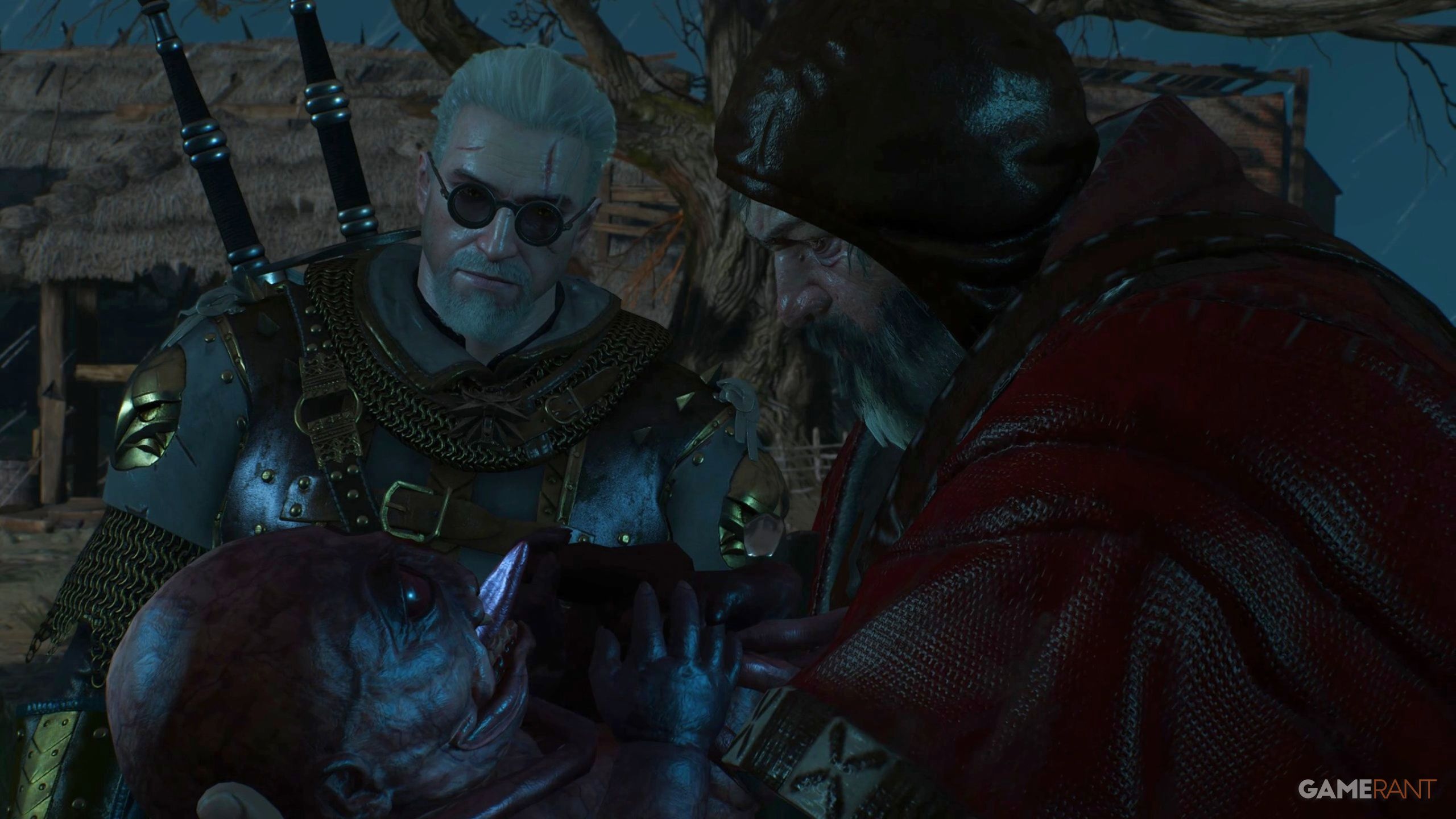
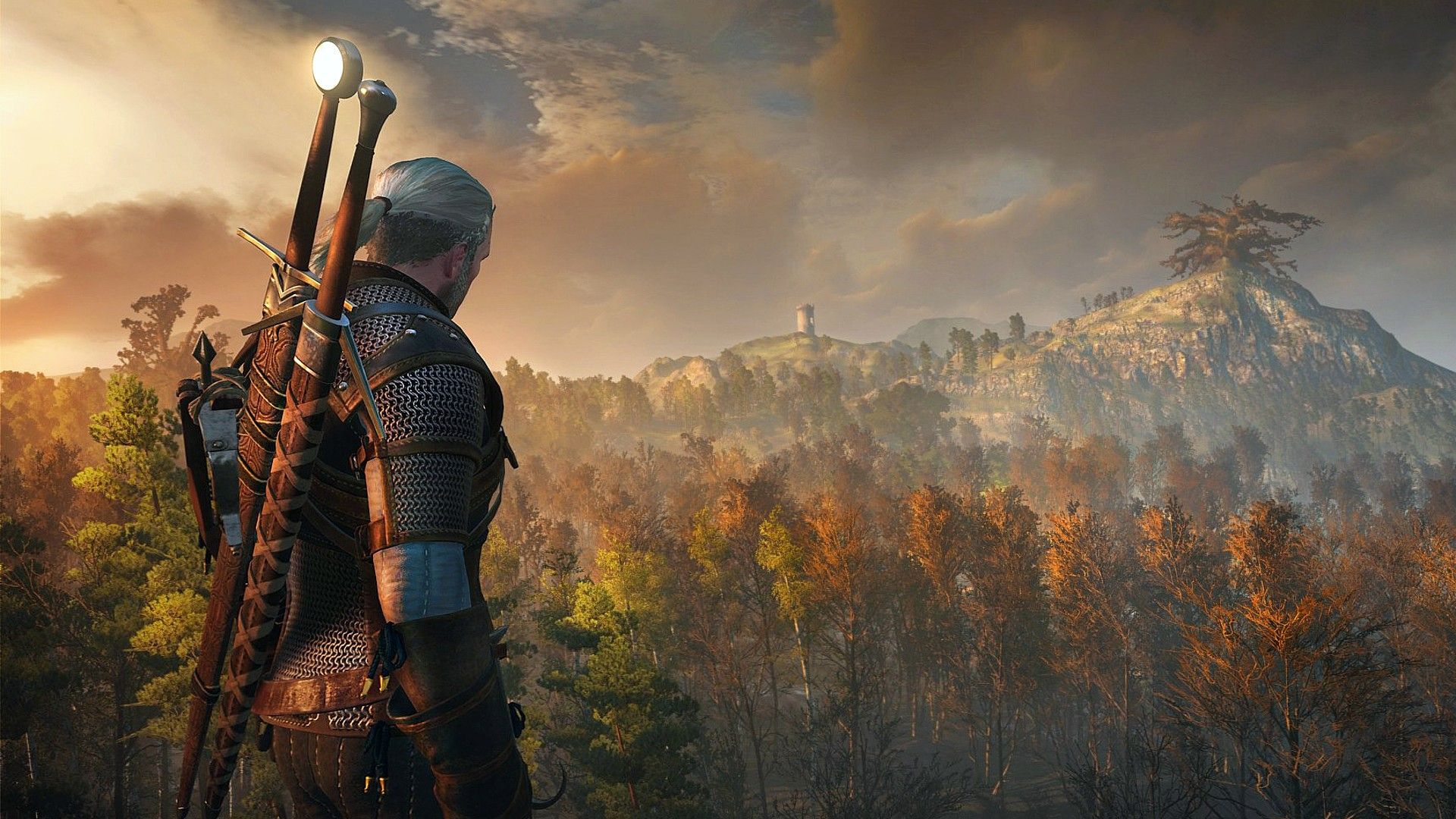
As some of the biggest and longest games around, open-world RPGs have an incredibly difficult time maintaining their greatest strengths throughout a 100-hour runtime. As a result, even some of the greatest titles can be pretty front-loaded, packing their best areas and moments into the early or middle game before eventually collapsing into padding and repetition. For this list, “perfect” means a complete journey with an effective opening, no disastrous middle-game decline, and a finale that properly rewards the investment rather than leaving a sour taste in your mouth. The Witcher 3: Wild Hunt is still one of the best examples of that.
To show what doesn’t make the cut, let’s mention a few great open-world RPGs that unfortunately can’t be justified as perfect. Elden Ring, for instance, is a notorious case of late-game areas like the Mountaintops of the Giants feeling notably weaker than what came before, even resorting to increased enemy and boss reuse. Skyrim has a brilliant world and unmatched freedom, but its rushed main quest and somewhat anticlimactic finale are nowhere near its strongest parts. Xenoblade Chronicles 3 is another game with outstanding material, but its later chapters are often considered the weakest due to unimpressive villains, rushed revelations, and a disappointing final dungeon.


Years go by, but in many ways, The Witcher 3: Wild Hunt remains unmatched. The game has long dominated “must-play open-world RPG” lists and isn’t going anywhere anytime soon, with The Witcher 3 Remastered ready to show us once again who the real king of the genre is. Going beyond visual improvements, the updated version also reworks major areas like combat and character leveling, giving even veterans a reason to return.
That consistency is especially impressive given just how enormous The Witcher 3 is. White Orchard works as a compact introduction, Velen and Novigrad deepen everything, Skellige refreshes the journey with its island setting, and the final stretch brings the characters and your choices together. Several points in the late game can feel like the journey is already approaching its finale, only for another pleasant surprise to appear. And that’s without even counting its two massive expansions, still regarded among the best in gaming.

Most who played it would agree that Kingdom Come: Deliverance 2 is easily among the closest post-Witcher 3 RPGs to nail its narrative strengths, while significantly expanding the simulation and immersion aspects with more modern gameplay systems. Historical authenticity and realism are a large part of KCD2’s appeal, but its characters and stories are what define and carry this 100-hour experience.
Right from the start, Kingdom Come: Deliverance 2 reduces Henry to almost nothing, then lets him rebuild himself naturally throughout the Trosky region. Its second major region, Kuttenberg, meaningfully expands the game's scale and stakes without abandoning the personal layer. The quests grow more elaborate, the systems and characters continue developing alongside Henry, and the narrative maintains its momentum through the finale while providing genuine closure. Like any game of this scope, KCD2 has occasional pacing lulls, but no major decline that makes you dread “that part” when thinking about replaying it.
Probably the best fit from both the iconic Fallout series and Obsidian’s entire RPG portfolio, Fallout: New Vegas is another example of an enormous story and world that never really loosens its grasp on you. The Goodsprings opening immediately establishes a personal hook, the lengthy journey toward Vegas keeps surprising you with freedom and discovery at every step while introducing new factions and deepening their conflicts, and reaching the city almost feels like discovering another game hidden within the first.
Because almost every quest in Fallout: New Vegas is so reactive, the consequences of earlier decisions start kicking in long before the finale, sustaining its central journey remarkably well. Everything eventually converges at Hoover Dam, and even if this late-game sequence feels slightly more constrained than the journey leading there, it isn’t a serious collapse that could hamper your interest. Even smaller choices involving factions and companions feed into the larger conclusion, potentially encouraging you to start all over and explore completely different branches.
سەرچاوەی فەرمی بە زمانی ئینگلیزی: https://gamerant.com/the-witcher-and-open-world-rpg-games-perfect-from-beginning-to-end/