
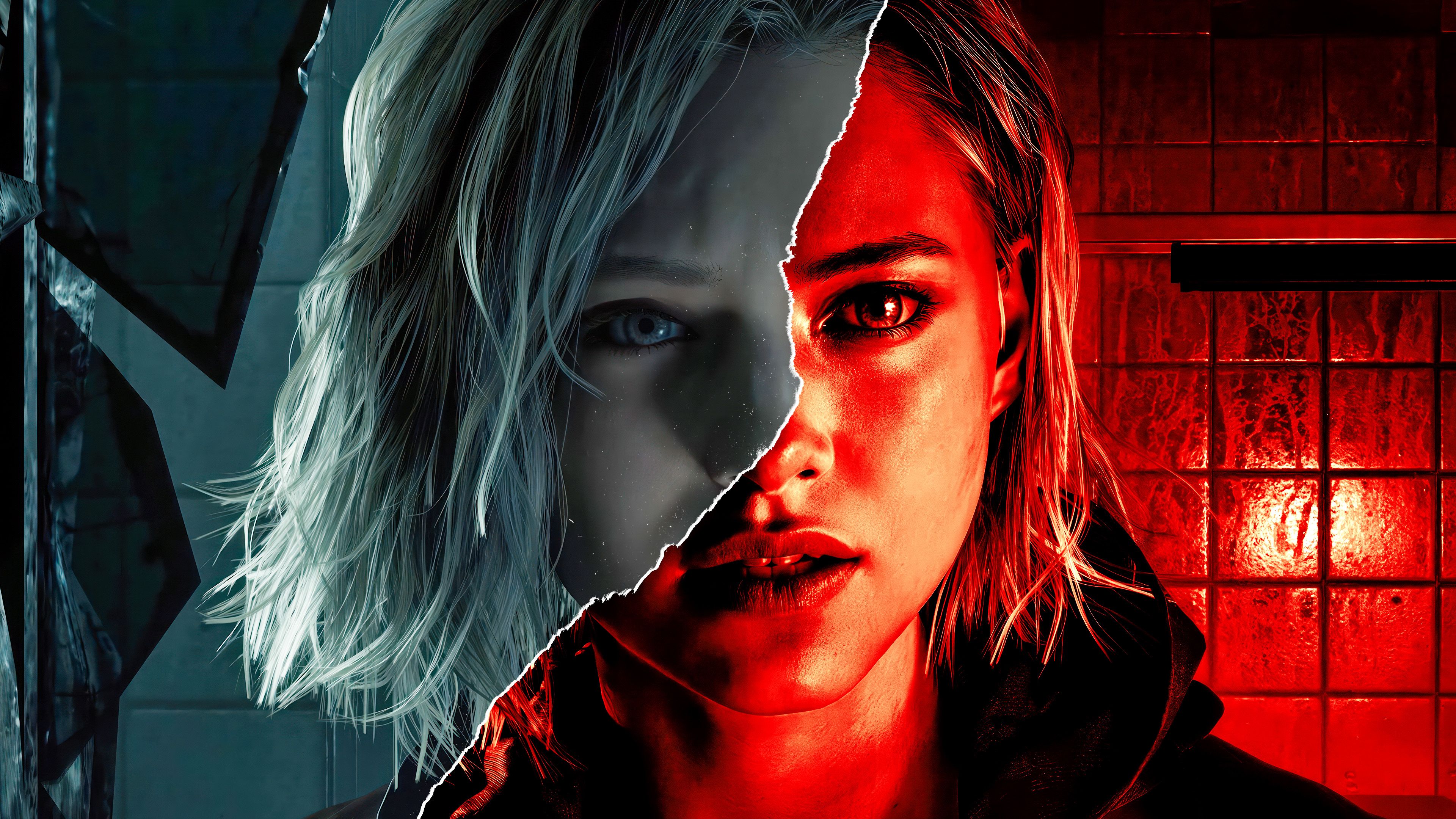
AI is all the rage right now, and it doesn't matter if you are talking about movies, music, or video games, it seems as though every piece of media is being affected by it, for better or worse. In the case of video games, AI use in development has become increasingly interesting over the past few months, not just because of its place in generating art, but also due to how technologies like frame generation and Nvidia's DLSS can fundamentally alter the experience on-screen. This most recent iteration with DLSS 5 is perhaps the most contentious, as we are now entering a truly strange territory where the visuals have become closer to reality than ever before.
However, unlike in the previous iterations where the promise was to boost your performance without trading off the graphics, DLSS 5 seems to go the opposite direction, putting a much bigger strain on the hardware and offering you a choice between the two, rather than the best of both worlds. In fairness to Nvidia, the current release that came with NBA 2K27 on PC and is being tested in every game under the sun is still in its early stages and will get better with time and as developers actually apply the technology in the correct places. Yet, the larger question remains about frames versus graphics, and with how complex the hardware market is nowadays, the worry is that we may end up in a situation where the best visuals become completely locked behind huge paywalls, and good performance once again becomes an option as opposed to being a guarantee.


Graphics in gaming have clearly evolved a lot in the past decade. While older titles like The Witcher 3 and Red Dead Redemption 2 still hold up incredibly well, there have still been some significant strides taken in the visual department. A lot of the advancement comes down to new technologies making better graphics more accessible and, more importantly, possible to produce, but I think the biggest milestone came from the introduction of Nvidia's DLSS. With DLSS, you could achieve top-notch visuals and still keep the performance of lower graphical settings at the click of a button, and most importantly, the technology could be applied to both new and older releases, giving a lot of classics a second lease on life.
چوونەژوورەوە
بۆ ئەوەی ئیدیعای شوێنی خۆت بکەیت لەسەر لیدەربۆرد!
چوونەژوورەوە
بۆ ئەوەی ئیدیعای شوێنی خۆت بکەیت لەسەر لیدەربۆرد!
It felt like a piece of magic that you could use in a game to leverage the power of AI and make a weaker system run much heavier games than it could have ever dreamed of. By clicking the toggle in the settings, I often got close to double the frames, with no noticeable dip in visuals, and that is on 5+ year-old hardware that has no business being able to support Black Myth: Wukong and Resident Evil Requiem at more than 30fps. Each new iteration of DLSS only made things better, and as we drew closer to the infamous DLSS release, many people were excited to see what Nvidia had been cooking up behind the scenes and if those hyperrealistic visuals could actually be achieved in real conditions.
With DLSS, you could achieve top-notch visuals and still keep the performance of lower graphical settings at the click of a button...
As it turns out, the graphics were far from make-believe, and now, thanks to some clever modding, we can see how DLSS 5 looks and functions in a much broader range of titles. But it didn't take long for people to realize that this version of the tool was very different, and not in a good way. Unlike the previous DLSS implementations, the performance hit is significantly higher, and even more so in the demanding games that already ask a lot of your hardware. You might get some pretty faces and awesome lighting in the background, but just like any other visual setting increase, the frame rates just aren't going to keep up for long.

سەرچاوەی فەرمی بە زمانی ئینگلیزی: https://gamerant.com/nvidia-dlss-5-pc-gaming-graphics-performance-tradeoff/