It's obvious that open-world RPGs are mainstream commodities. AAA smash-hits like Elden Ring and Final Fantasy 7 Rebirth remind us that this corner of the gaming medium still has a lot of potential, and deserves to be invested in despite the occasional blunder or bad business practice.
But the open-world-RPG is far from a new concept. Many have argued that the first The Legend of Zelda game, released all the way back in 1986, is an open-world RPG, and there's definitely merit to such arguments. In any case, by the time games like Dragon Quest 3 rolled around, the idea of a free-roam role-playing video game was well-established, and had already undergone a few permutations.
Many of these older role-playing games have only improved and flourished with age. Here are just a few that can be counted among that number.


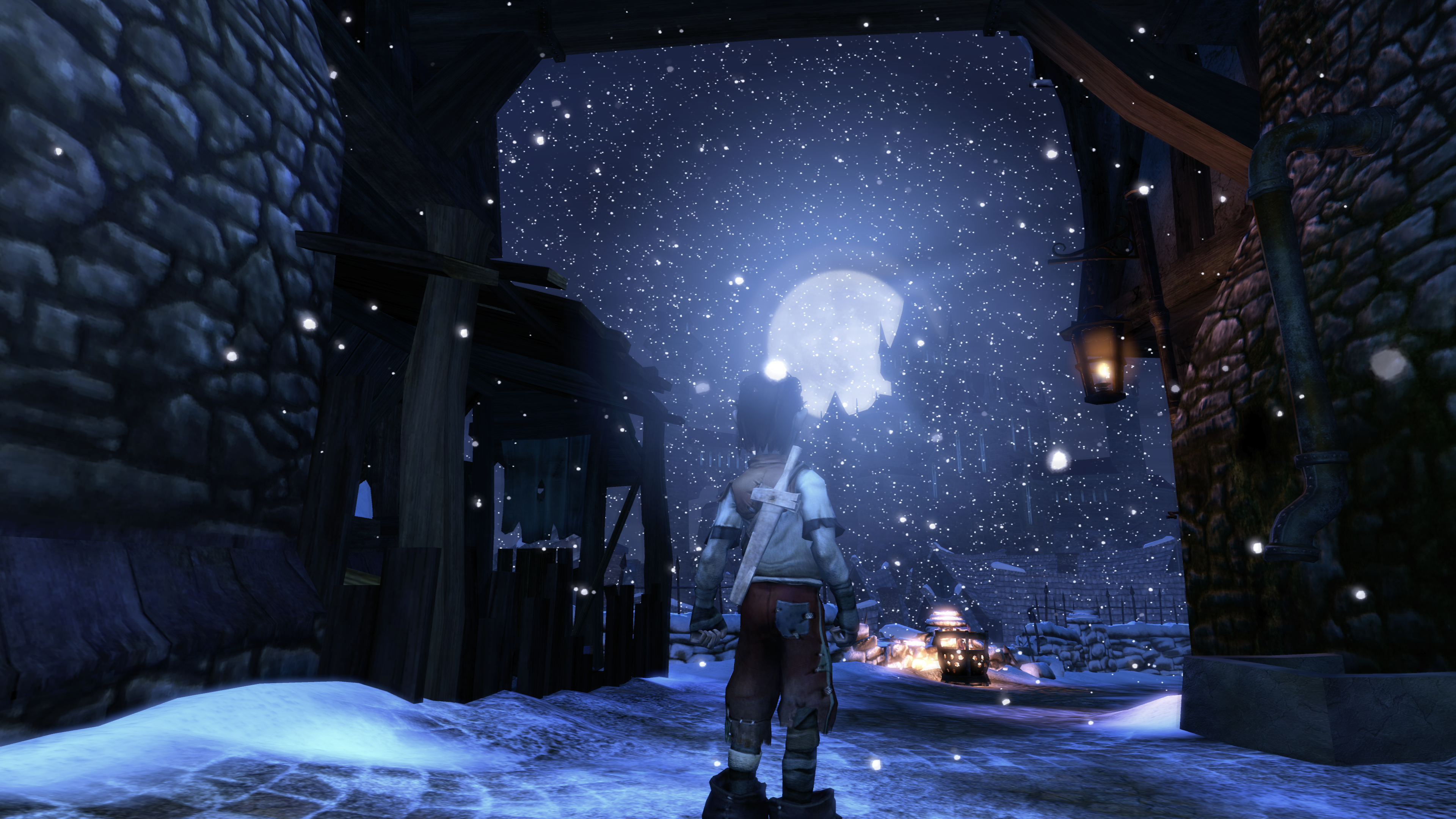
I wouldn't describe myself as being overtly gung-ho about classic video games; many of my favorite games have been released in the last decade. Still, I find myself dusting off my Xbox 360 every few years specifically to replay Fable 2, which, for my money, is the best entry in the series. Like Mass Effect 2, Fable 2 splits the difference between the complexity of its predecessor and the streamlined design of its successor. It's a Goldilocks situation.
چوونەژوورەوە
بۆ ئەوەی ئیدیعای شوێنی خۆت بکەیت لەسەر لیدەربۆرد!
چوونەژوورەوە
بۆ ئەوەی ئیدیعای شوێنی خۆت بکەیت لەسەر لیدەربۆرد!
This careful balance only feels more magical with age. Fable 2's open-world, while relatively small, is diverse, cozy, and believable, with surprisingly involved social sim and management systems. Other gameplay pillars, like combat and leveling, are straightforward and tactile in a way that their modern counterparts usually aren't, and smaller details, like how your moral choices and combat style alter your character's appearance, make Fable 2 feel distinctly playful rather than finely tuned for maximum engagement.

Audiences are much more comfortable with punishing, steep-learning-curve RPGs these days, but in the early 2000s, such conventions were more niche and off-putting. There certainly was no Kingdom Come: Deliverance-style RPG to push such trends into the mainstream. Perhaps this is why Gothic 2 never quite reached the same heights as some of its contemporaries, like The Witcher or The Elder Scrolls. This is a shame.
سەرچاوەی فەرمی بە زمانی ئینگلیزی: https://gamerant.com/classic-old-open-world-rpg-games-aged-well-best/