Many aspects contribute to whether you’ll be hooked on a new open-world role-playing game for hundreds of hours or bounce off after the first few. Besides the obvious graphics, story, characters, world, and quests, progression systems shouldn’t be underestimated. For some players, intricate weapon systems can add another meaningful layer to chase and keep them additionally invested. Character progression can be another factor that separates the urge to keep leveling in an open world from a meaningless level number that barely changes how the core gameplay feels.
For the games below, it’s not just about deep character progression. That can be achieved in various ways, from good class or equipment systems to the popular learn-by-doing approach. Instead, each game below offers an actual skill tree or branching perk-grid structure that’s satisfying to explore and invest in over long-term play. Moreover, we’ll prioritize skill trees that give you noticeably different abilities and can result in creative, diverse builds—not merely those increasing your stats through boring numbers.


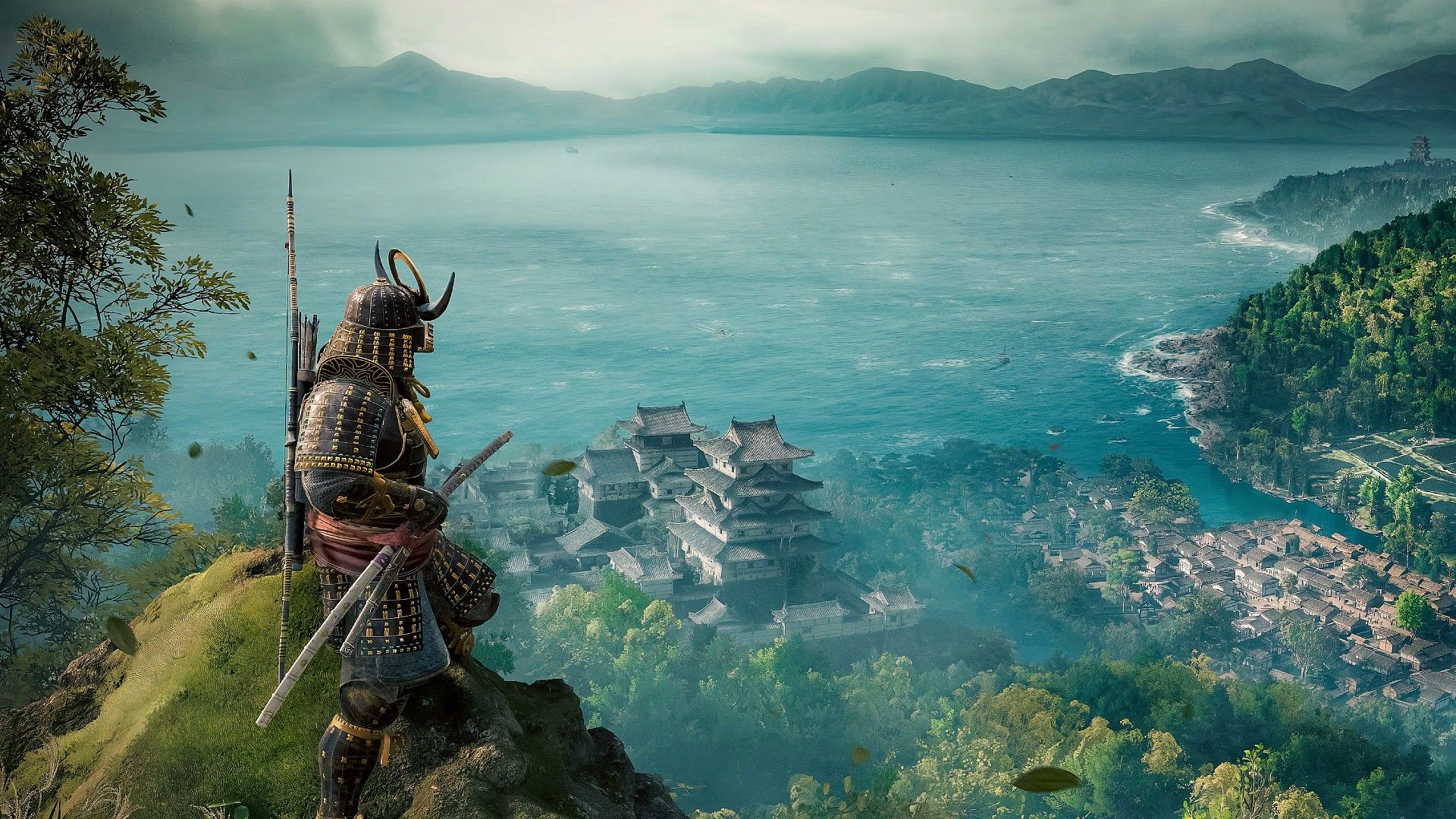
While its reputation remains divisive, for its genre, Assassin’s Creed Shadows actually did many things extremely well. The risky concept of separating the samurai warrior and agile shinobi archetypes between Yasuke and Naoe worked better than sticking with a single middling protagonist, and the game’s progression and gear systems offer enough depth, variety, and impact to experiment with for hours on end. Moreover, the game separates regular experience-based leveling from Knowledge progression, resulting in more layered advancement and the need to chase specific side activities to grow.
Both Naoe and Yasuke in AC Shadows can wield different weapon types, and their multiple skill trees are built to reflect that. Simple, clean, and effective, you can prioritize general aspects like Naoe’s stealth and Yasuke’s samurai training, as well as focus on your primary weapon choice, unlocking and improving useful perks or choosing between several active skills with unique animations and effects. Everything can then be enhanced and further altered for the best synergies with your weapon perks and engravings. Better yet, Mastery nodes can be reset at any time, making experimentation with different approaches painless.
The final layer is the game’s Knowledge tree, which lets you invest further in passive abilities later on. While this is easily the least impactful progression system of the bunch, it tightens up your earlier chosen path for an even stronger build identity.

Unlike AC Shadows, where you get just two “classes” with different build branches, Diablo 4 expands that number to eight as of this writing, and each class comes with a dedicated and original skill tree to gradually master. Following the main path, you decide which nodes and abilities to pick, as well as evolve or alter them in major ways through modifiers—an idea familiar from Diablo 3.
While it’s fair to say Diablo 4 took quite some time and plenty of fan feedback to substantially rework its initially half-baked progression and skill trees, the game finally approaches that satisfying balance between complex depth and accessible fun. The latest version moved further away from boring number-driven enhancements like +15% skill damage, with far more abilities and modifiers now capable of meaningfully changing how your build actually works.
The latest updates pushed each class’ progression to entirely new heights, allowing individual skills to be modified in more ways and resulting in far more possible combinations than before. Some can even change a skill’s entire category, like turning Fire into Frost or Bone into Blood, opening up completely new synergies with gear. Credit where it’s due: Diablo 4 might not reach the bar set by Path of Exile for sheer flexibility, but fans can finally build their favorite classes in ways that reflect their personal combat priorities. Even better, skill trees are still just one layer of the game’s much deeper stat engagement.
سەرچاوەی فەرمی بە زمانی ئینگلیزی: https://gamerant.com/open-world-rpg-games-perfect-skill-tree-progression-systems/