

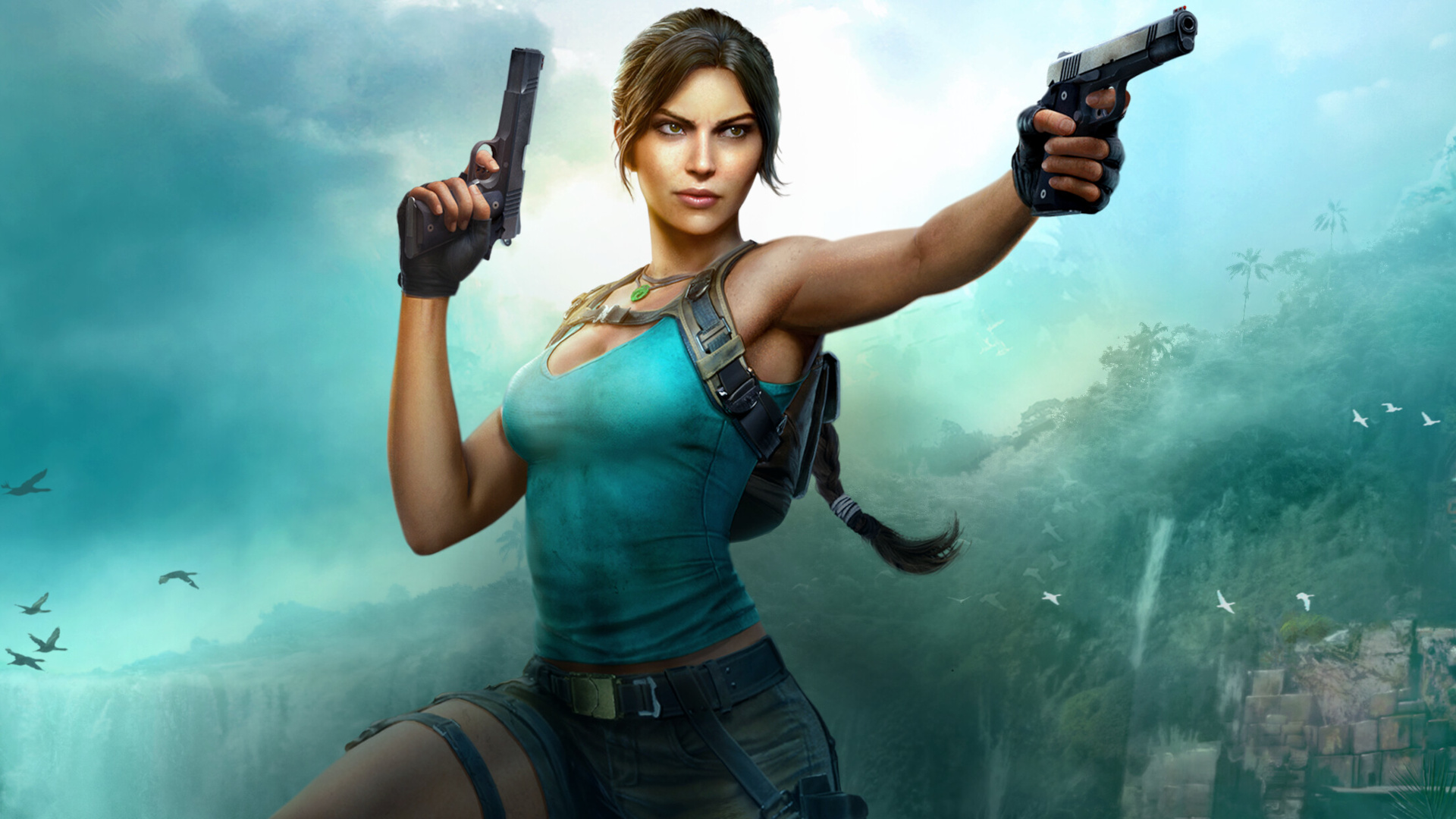
Tomb Raider: Legacy of Atlantis has an unenviable task before it. Reimagining a 30-year-old game for a modern audience is no mean feat, but in a genre that has moved on so far and with a heroine who has become such an icon, the line that must be threaded between the new and the old is a veritable tightrope. Too far one way and you'll recreate a now-outdated experience in too much veracity to warrant its existence. Too far the other way and you risk excising what made Tomb Raider interesting, lumping it in with modern genre tropes that don't suit a remake like this.
For now, Crystal Dynamics seems to be treading that line. My hands-off demo shows off the Damocles Trial from the game's second level, so named for the giant swords hanging from the ceiling that threaten to skewer Lara should she linger too long on the wrong floor tile. For game director Raul Siquera, the goal is to show "how much we've preserved from the original, and the little things we did to make it special" in a modern overhaul.
Developer: Crystal Dynamics, Flying Wild HogPublisher: Amazon Game StudiosPlatform(s): PC, PS5, Xbox Series X, Nintendo Switch 2Release date: February 12, 2027
"It was really important for us, from a level design perspective, to preserve what was in the original game, but find ways to enhance it for a modern audience," Siquera explains. "You should recognize the places that you know," he says, or if you're like me and are too young to remember the original games, you should still be "delighted by the grandeur" of the levels.
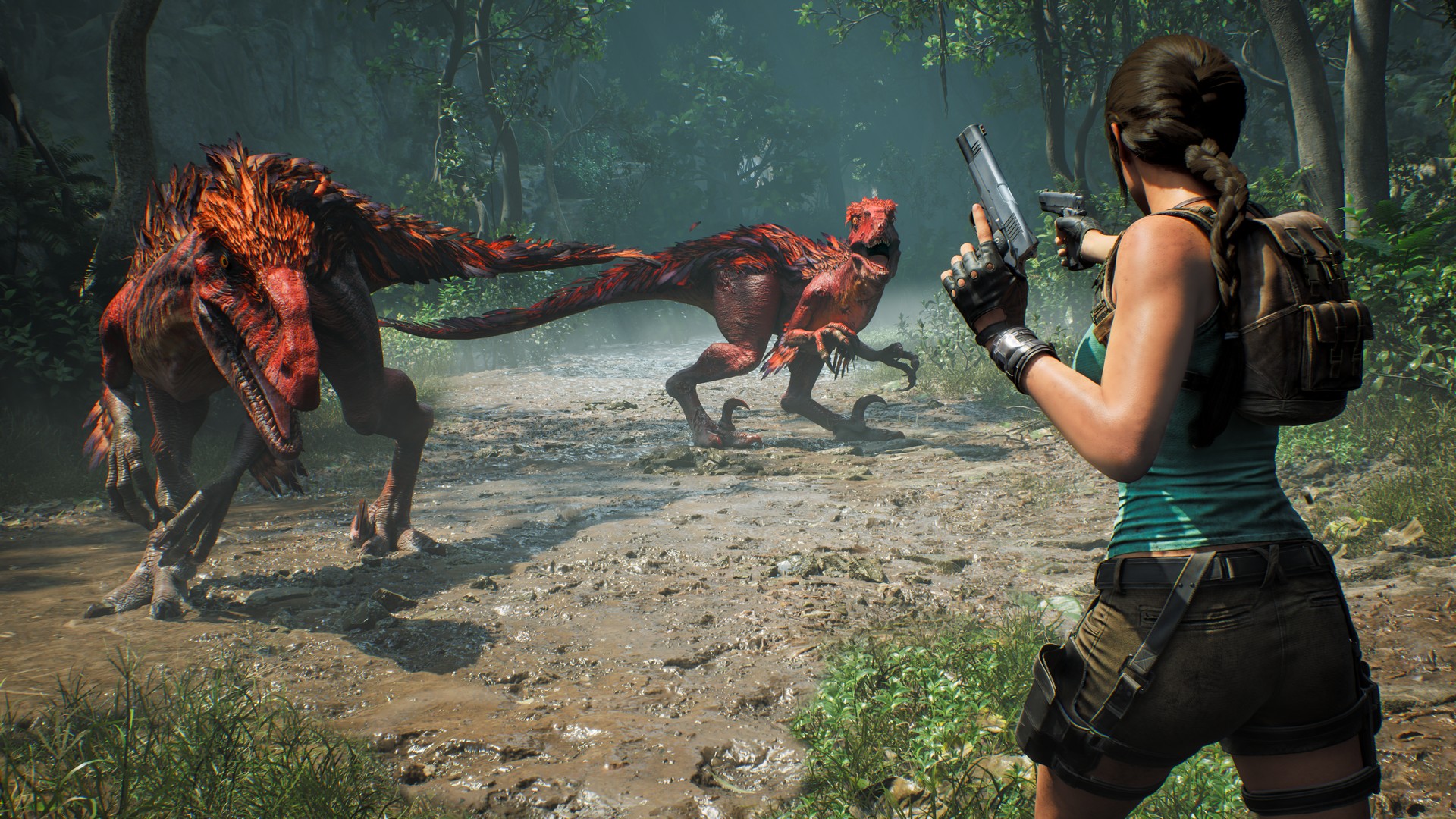
Those modern enhancements present themselves almost immediately. Stepping into the trial, Lara is set upon by a horde of bats, reimagined to move around in a more unpredictable, swarm-like manner than in the original game. She takes a few scratches before shooting down enough that the rest of the swarm disbands, but thankfully she's collected enough resources from around the level to create a healing balm. The presence of a crafting system might seem like an overly-modern touch, but Siquera explains it's part of an attempt to dispel the anachronism inherent in the older Tomb Raider games – finding a medbag in a temple supposedly untouched by modern civilization isn't always great for immersion.
Past the bats, Lara's day continues to get worse, a snarling leopard dropping down into the next room. This iconic Tomb Raider threat is far smarter than before; in the ensuing fight, it uses geometry to block Lara's line of sight; crawls away through cracks in the rock when it's taken too much punishment, and then attacks from behind when you let your guard slip. "You're not supposed to stay still," Siquera says. Combat is fast and fluid, but a time-slowing Focus gauge allows for a moment of relative calm in the midst of some frantic fights, even as Lara's acrobatic 'dodge-cartwheels' make her a particularly flamboyant target.
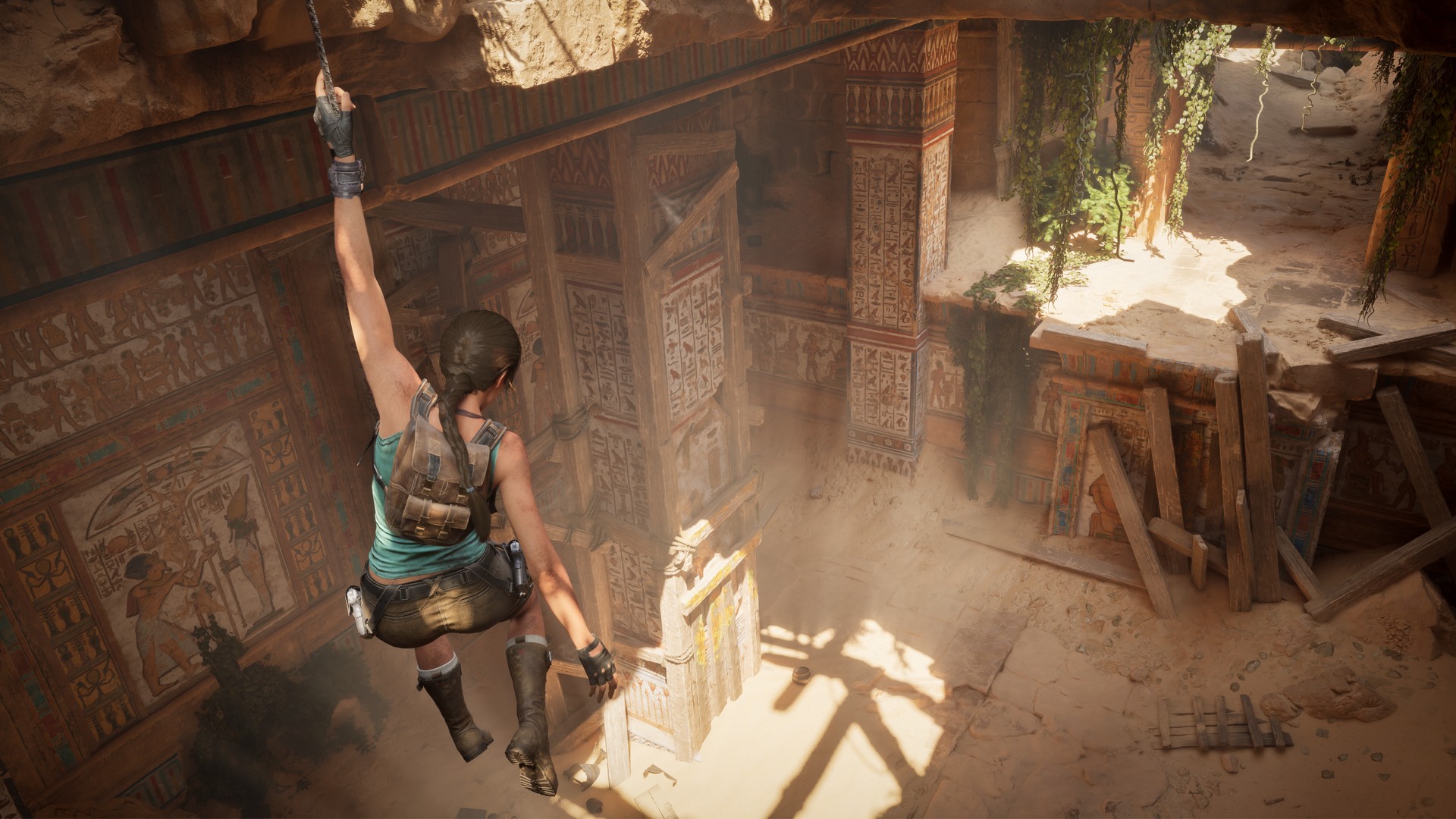
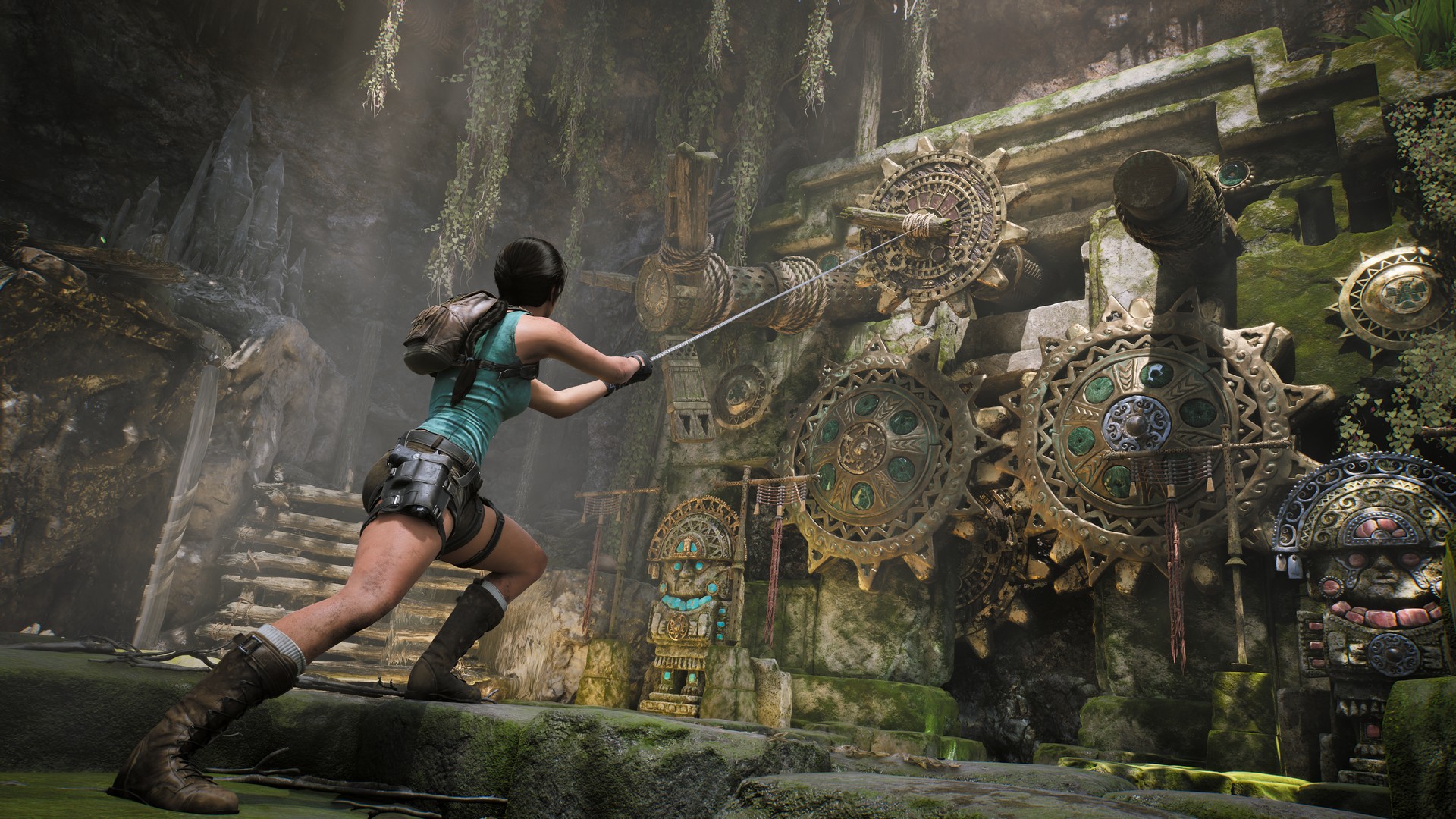
It's beyond the leopard, as Lara enters the arena at the heart of the Damocles Trial, that Tomb Raider: Legacy of Atlantis is forced to diverge further from the 1996 original. The core theme remains intact, but the intervening decades have transformed players' expectations. The puzzles maintain the ideas that shaped classic Croft, but they're grander in scope, Damocles' enormous stone swords crashing to earth with a deafening clash from the distant heights of the temple's ceiling if Lara puts a foot wrong.
But this version of Tomb Raider doesn't only have to capture the scale and artistry of a modern game – it also has to offer something to players who didn't cut their teeth in the days of 1996's game design. Lara's explanative dialogue is one example of Legacy of Atlantis' desire to guide players through its puzzles, as are the markings on the wall that gently outline the intended parkour route.
سەرچاوەی فەرمی بە زمانی ئینگلیزی: https://www.gamesradar.com/games/tomb-raider/tomb-raider-legacy-of-atlantis-isnt-classic-lara-croft-but-it-manages-to-dodge-the-worst-excesses-of-modern-action-game-hand-holding