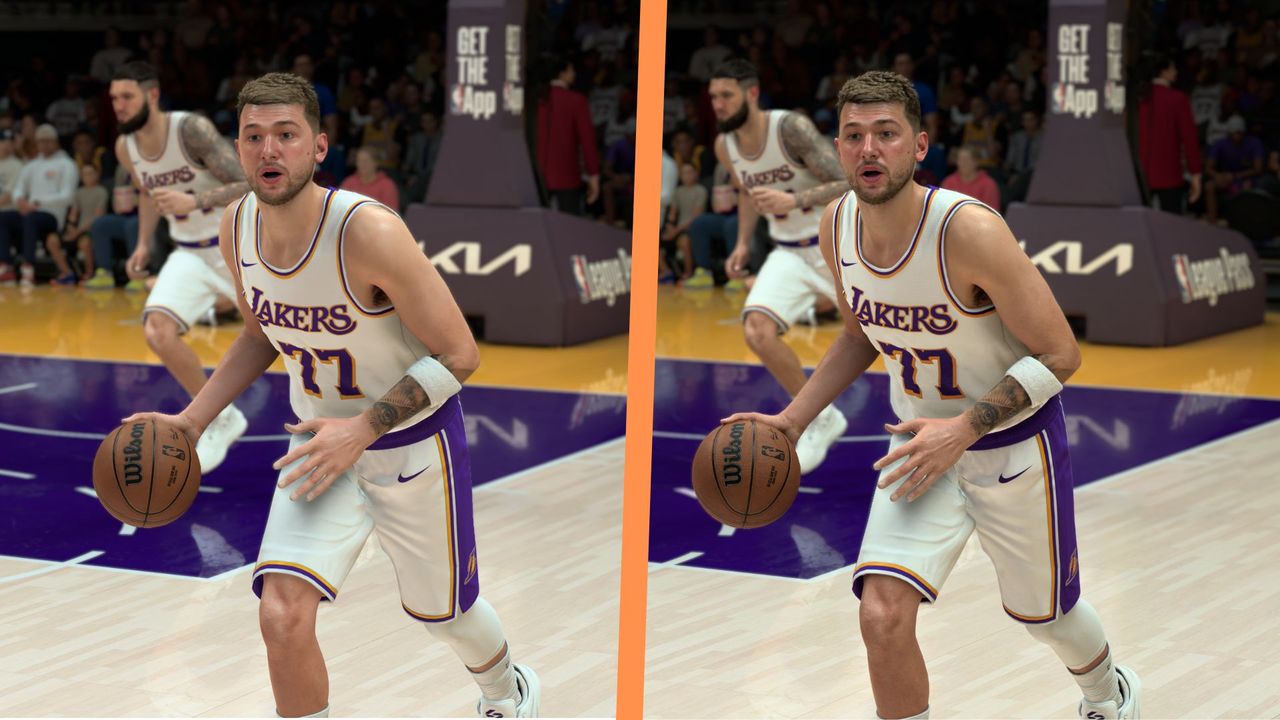
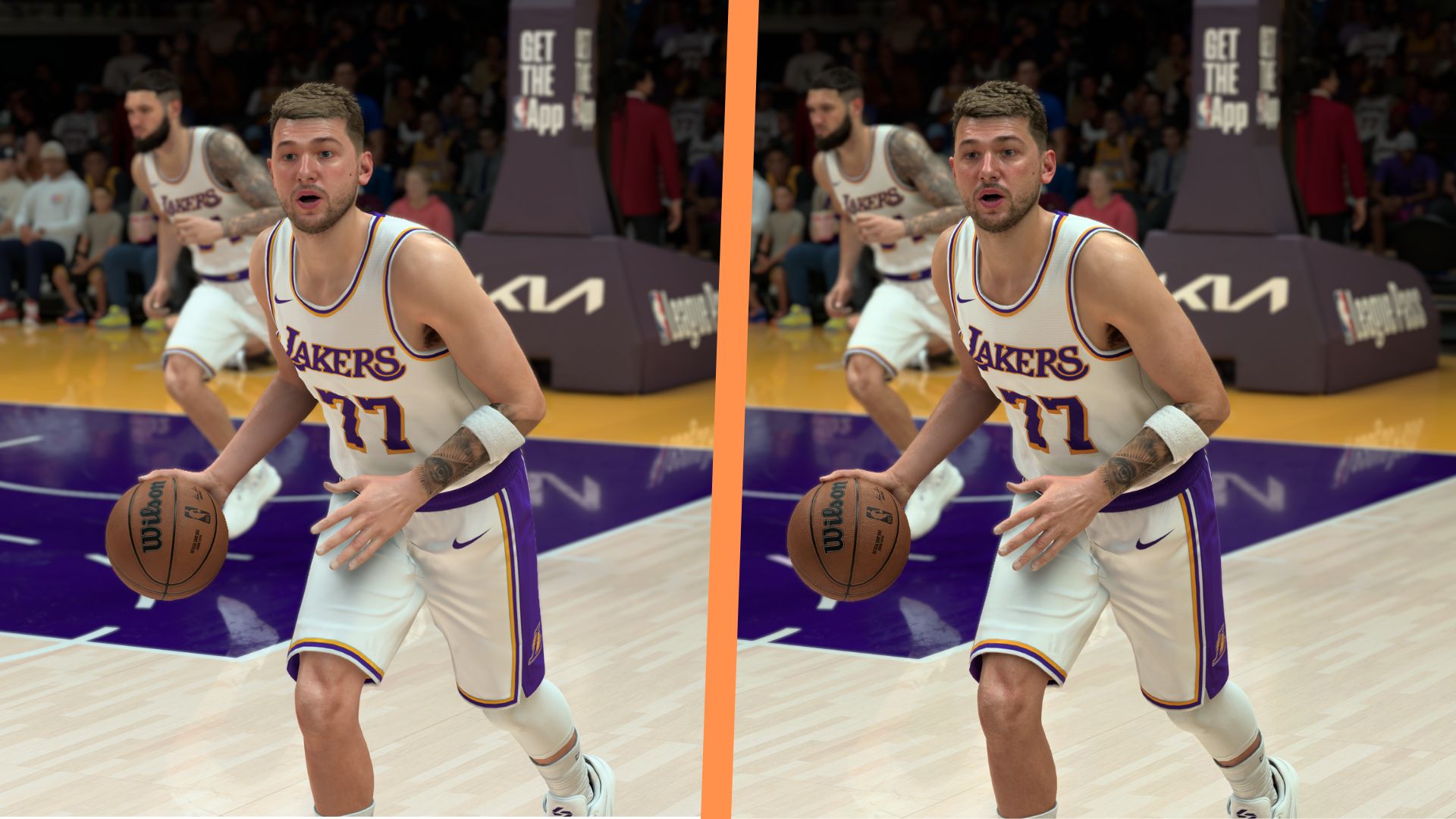
Nvidia's controversial DLSS 5 is officially here, launching alongside NBA 2K27. There's a lot to discuss with Nvidia's latest brand of AI graphics card wizardry, because it has a very different feel from the previous iterations of DLSS. Where others have been all about slightly lessening your graphical fidelity in the name of increasing your FPS, DLSS 5 is overtly trying to "improve" your graphics, and the results on your frame rates sure are interesting.
I've now had the chance to go hands-on with DLSS 5 in my own setup while playing NBA 2K27. I've talked plenty in the past six months about DLSS 5, my apprehensions towards it, and why I think it might be a toxic influence on the games industry, but at the same time, I accept that all we've really seen about it to this point are comparative stills that show the AI model rather aggressively changing character models from games like Resident Evil Requiem, Hogwarts Legacy, NBA 2K27, and Starfield. It's one thing to compare DLSS on and off shots, but it's another thing entirely to see it in action when playing games.
So, I decided to put all my fears, doubts, and frustrations with generative AI to one side for a few hours. I went hands-on with DLSS 5 in the only game that has official support for it at launch, NBA 2K27, to see how it impacts the experience of playing games. Here's what I found works and what doesn't work about the latest version of DLSS.
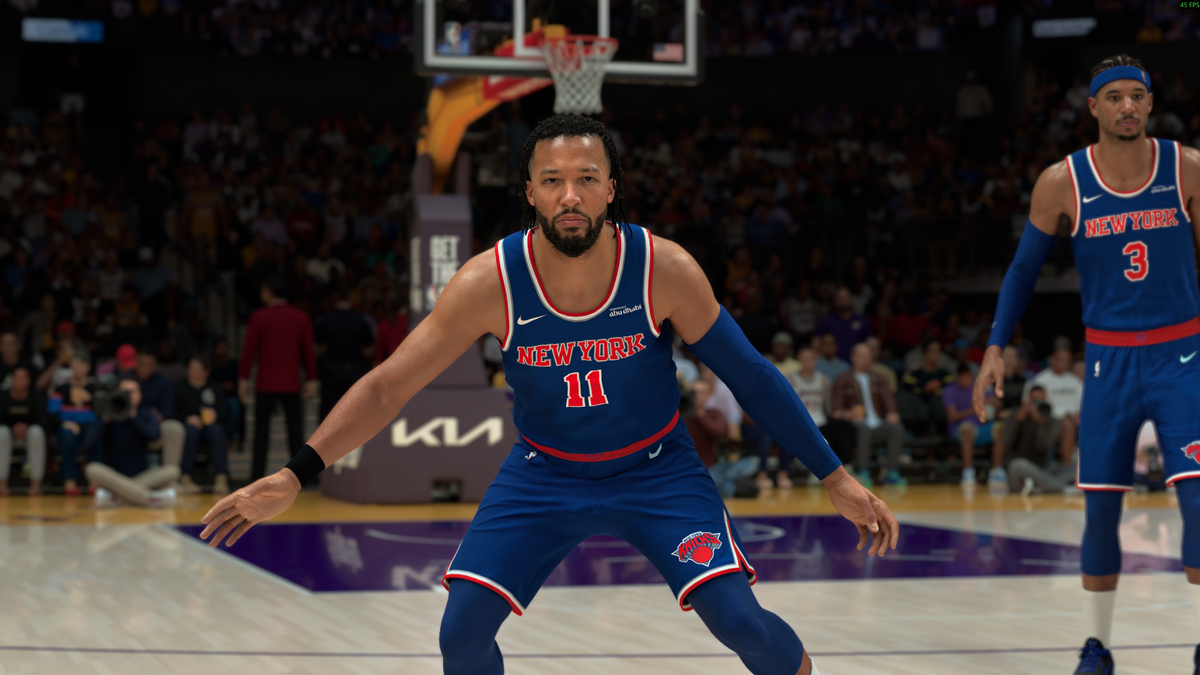
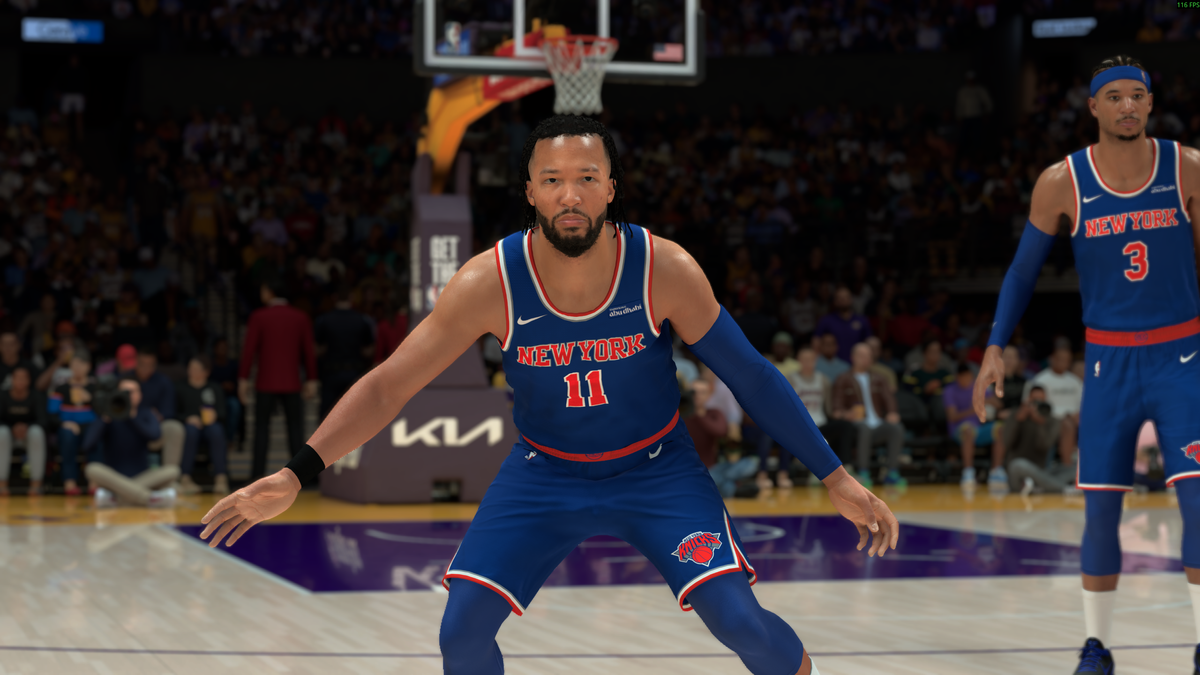

NBA 2K27 is a sports simulation game. In other words, it's not Mario Tennis Aces; it isn't trying to convey an arcade experience of playing a sport. It's trying to recreate, to the best of a video game's ability, a pro-level basketball match on your screen, under your virtual control. For that reason, it's shooting for an element of photorealism that the developers clearly believe suits a technology suite like DLSS 5.
I am ardently against using generative AI to enhance video game art styles for a lot of reasons, but even I have to admit, in NBA 2K27, DLSS 5 actually does pay off. Thankfully, it's not actually as exaggerated as we've seen in Nvidia's marketing stills so far. Yes, there are times when I'll catch a glimpse of a face in the game and alarm bells will immediately start ringing.
"That's AI", my brain will scream, "that looks like slop because it's overly sharp and looks pseudo-illustrated". But again, I have to be fair here; most of the time, I didn't actually notice DLSS 5 running in a game like this because it all looks pretty true to life to begin with.
DLSS 5 is at its best when it's working in the background of what you're looking at. The surface of the court, the environments and objects in the background, the stuff that you probably wouldn't pay a lot of attention to, but does all work together to form a cohesive, photorealistic whole.
هەفتانە هەرسکردنەکان، چیرۆکەکانی ئەو کۆمەڵگایانەی کە خۆشت دەوێن و زۆر شتی تر
سەرچاوەی فەرمی بە زمانی ئینگلیزی: https://www.gamesradar.com/hardware/desktop-pc/hands-on-with-dlss-5-in-nba-2k27-heres-what-works-and-what-doesnt-work-about-nvidias-new-ai-upscaler/