مادی بەشداربووە لە DualShockers کە JRPGs، ترسناکییەکانی مانەوە، یارییەکانی ئارکێد، یاریکردنی ڕیتڕۆ، تەقەکەر و تایبەتمەندییەکان دەگرێتەوە. لە ساڵی ٢٠١١ەوە بە شێوەیەکی پیشەیی لەسەر یارییەکان دەنووسێت، زیاتر لە دە ساڵ ئەزموونی هەیە لە سەرانسەری لیستەکان، پێداچوونەوەکان، ڕێنماییەکان و ڕۆژنامەگەری یارییەکان.
The Silent Hill franchise is in a pretty good place right now. Following the magnificent remake of Silent Hill 2, as well as an upcoming schedule of new releases, Konami's twisted survival horror saga has finally found its footing after a pretty rough two decades. In the wake of the disbanding of Team Silent, the internal Konami group that created the foundation of Silent Hill, the franchise went through something of a trial by fire.
It was simply unable to find its voice again, and the franchise suffered mightily as a result. Looking back, however, it's easy to trace the turning point for Silent Hill right back to Team Silent itself. In a world of sequels and cash grabs, Team Silent's core methodology was built around evolution and change. That was on full display during their tenure, which lasted from 1995 to 2005.
The unique world of Silent Hill is designed for change, as the core concept and location remained largely the same for the first three games under Team Silent. Narratively, they were connected only when Team Silent wanted them to be, but even they grew to understand the need for the status quo to be challenged. In their last hurrah, Team Silent gambled big time, and in spite of their fateful end, came out on top.

During the first three Silent Hill games, Team Silent established a world that could be anything they wanted, or whatever they needed it to be for a particular story. The first game was focused on beats surrounding a cult known as The Order, while the sequel told a profound tale of guilt and trauma, only to return to its roots with the third title.
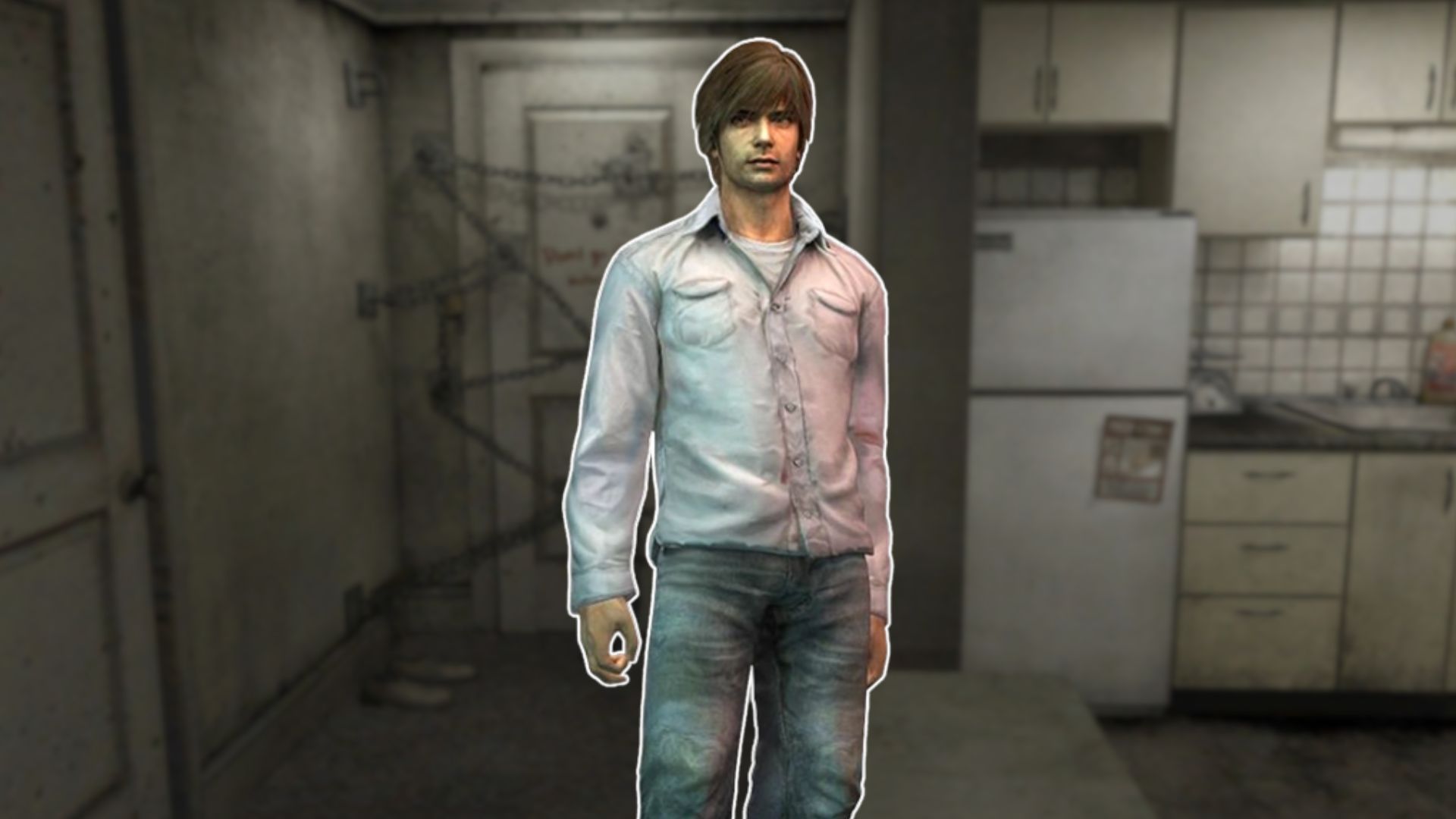
Their anthology-like approach led to some fascinating creative decisions, as it allowed Team Silent to not be stuck in one mode permanently. Even still, they saw that something needed to be changed, and that a new, bold vision was required for the next game to be the best it could be. With the launch of Silent Hill 4: The Room in 2004, Team Silent made good on that promise, creating a survival horror game like no other.

Instead of taking place in the town of Silent Hill, The Room ditches the paranormal town in exchange for Ashfield. It's described as a day's drive from Silent Hill, and it was a brilliant move on Team Silent's part. They allowed themselves some creative freedom, most certainly something they needed after making three Silent Hill games in the span of five years, and it also allowed the world to become a bit more complex.
Their anthology-like approach led to some fascinating creative decisions, as it allowed Team Silent to not be stuck in one mode permanently.


سەرچاوەی فەرمی بە زمانی ئینگلیزی: https://www.dualshockers.com/how-silent-hill-4-challenged-the-status-quo-of-the-franchise/