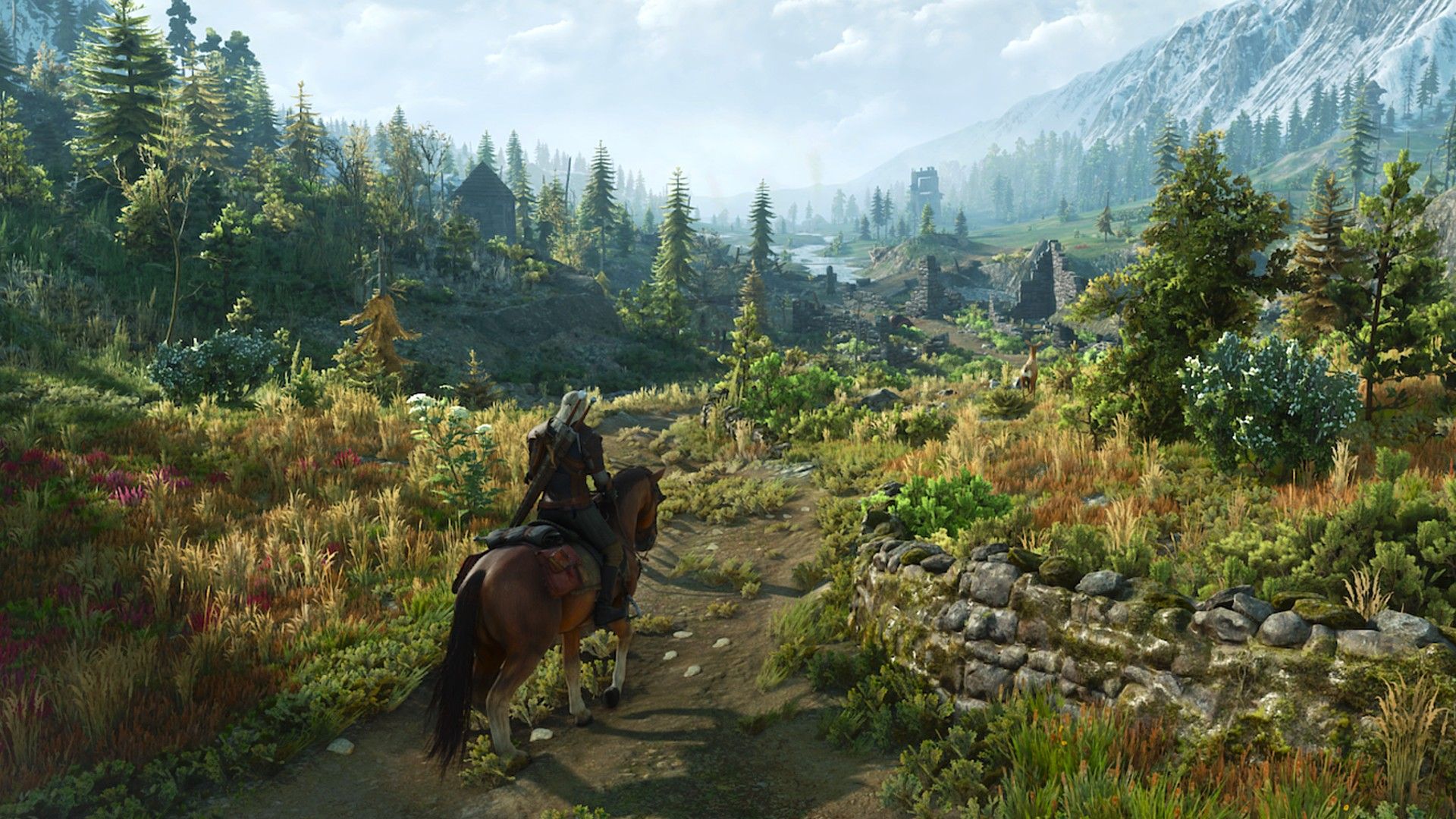
The vast majority of open-world RPGs are set in high-fantasy realms, where godlike beings, powerful wizards, the constant presence of magic, and world-altering stakes are as common as humans themselves. Of course, there is nothing wrong with that, but for players looking for a more grounded, immersive, and complex setting, low fantasy can be a much better fit. Such games often blend medieval authenticity reminiscent of Kingdom Come: Deliverance with just enough supernatural elements to shake things up without stealing the spotlight.
Interestingly, the past few years have been especially fruitful for fans of low fantasy, delivering several major open-world RPGs that represent the pinnacle of this subgenre. Below are some of the best you can play today, prioritizing political intrigue, survival, human-scale conflicts, harsh environments, and immersive simulation over flashy magic, dragons, and world-ending prophecies at every turn.
These games fit our main criteria for low-fantasy open worlds and can be great fun, but their mixed reception among critics and players makes them harder to justify as some of the genre’s absolute greatest.


First things first, for games like Wartales and Battle Brothers below, we need to clarify how they fit the open-world format. Rather than offering traditional continuous exploration with a single playable hero, Wartales is a party-based tactical RPG with an overworld where you freely move your squad and discover different locations. That doesn’t make it any less open-world, but it is an important structural difference. Think Pillars of Eternity 2: Deadfire, for example.
With that out of the way, there is little room for debate when it comes to the setting. Wartales is low fantasy at its most mundane, following a group of ordinary mercenaries trying to survive in a plague-ravaged, historically grounded medieval world. Supernatural elements are extremely scarce, mostly limited to cursed forces creating ghost packs of spectral animals and occasional unnatural enemies. This intricate balance and overall authenticity create just the right atmosphere for players looking to break away from heroic fantasy.

Probably the least-known but no less impressive modern contender here, Drova: Forsaken Kin combines stylish retro execution with a top-down, pixel-art take on the Gothic RPG formula that can grab you within its opening minutes. The game’s bleak, handcrafted world is steeped in mysticism, Celtic mythology, and Druidic traditions, giving it an unmistakable low-fantasy identity.
Starting as a nobody, you freely explore its dynamic world, discover settlements, and gradually conquer the wilderness while learning its rules and simply trying to survive. Like in Gothic, growing stronger in Drova: Forsaken Kin requires joining one of its factions and seeking out teachers to learn new abilities. The biggest draw is perhaps the setting itself, where mysticism, ritualistic imagery, and the overarching supernatural premise remain restrained and deeply woven into everyday life. At its heart, Forsaken Kin is still about ordinary people trying to survive and control forces they barely understand.
Wartales’ older brother, with the two sharing enough similarities that some fans even call Wartales the sequel that Battle Brothers never received, is another excellent example of low fantasy. Its procedurally generated open-world strategy map lets you manage a medieval mercenary company and freely travel wherever you want. The world is gritty, dangerous, and decidedly low-power, with magic existing mostly beyond the player’s reach.
سەرچاوەی فەرمی بە زمانی ئینگلیزی: https://gamerant.com/greatest-low-fantasy-open-worlds-rpgs-of-all-time-ranked/