
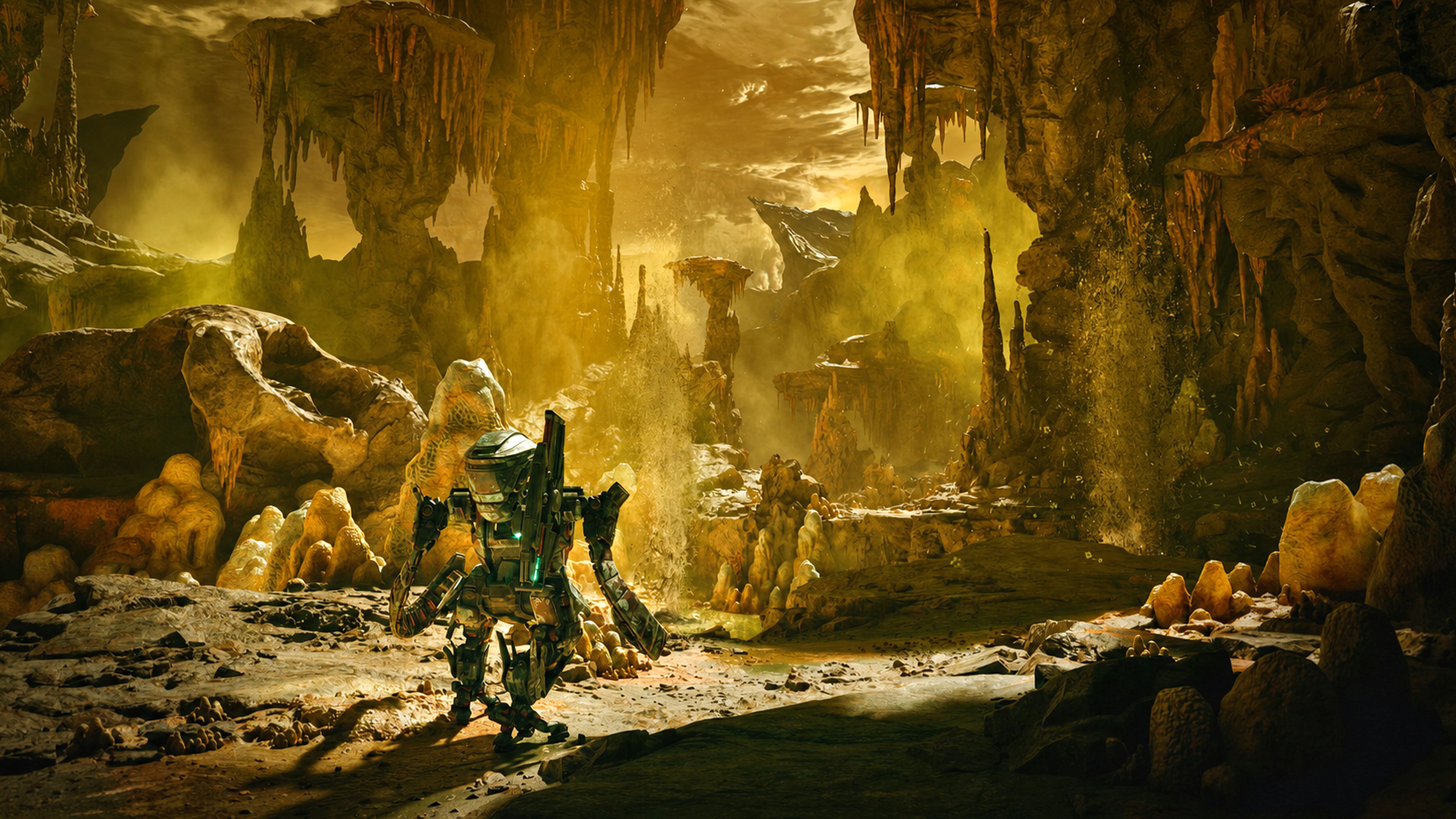
Everything about Exodus makes it look massive. It's a sci-fi RPG about traveling across space, exploring strange new worlds, meeting creatures like giant, hilarious talking frogs, and returning home after enough time has passed that the place you left behind might look completely different by the time you get back. With that kind of scale, it would be easy to assume Exodus is going to throw players into some enormous open world and let them loose, especially when that's become such a familiar approach for modern RPGs. As it turns out, though, Archetype Entertainment is doing something a bit more focused.
I recently went hands on with Exodus before speaking with Game Director Chris King, and the Khonsu mission I played was actually fairly linear. Personally, I loved that because the mission was constantly moving me forward while still giving me plenty of opportunities to wander off the main path and find things I could have easily missed. According to King, that's pretty representative of how many of Exodus' missions are designed, with Archetype favoring what it calls an "open linear" or "wide linear" approach rather than building the game around one gigantic open world.

The mission I played on Khonsu had a pretty clear path through it, but that didn't mean I was constantly walking down one long hallway either. There were plenty of little areas off to the side where I could explore, find resources, or stumble on something completely optional. One of my favorite things I found during the entire demo was actually a strange little frog tucked away from the main path that started telling me about its history. I could have walked right past it and never known it was there, and that made finding it feel much more rewarding than if the game had simply dropped an objective marker on top of it.
However, after playing through that mission, I was curious about Exodus' more lived-in areas. In Mass Effect, I could travel to actual cities and space stations filled with NPCs of different races and personalities, but during my preview of Exodus, all I got to see firsthand was one of its more linear missions. So, I just had to ask King about them in comparison to what I played, and when I did, he explained that this kind of design is intentional:
A lot of our path missions are what we call "open linear" or "wide linear" where it's primarily a linear mission, but there's often lots of nooks and crannies and off the beaten path that you can go to do stuff and collect rewards and whatnot. And then, every time you finish a mission, you'll go back to Persepolis, which is like the RPG hub. That's where your home is and where you'll meet up with your companions and whatnot, so that one's far more open where you can sort of go around and explore. You'll stumble across side quests. You'll have vendors and stuff that you want to visit to buy new things.
So, rather than giving players one enormous world where everything has to exist on the same map, Exodus is essentially separating its more focused missions from its more open RPG space. Persepolis serves as Jun's home between missions, where players can spend time with companions, find side quests, visit vendors, and explore, while the places they travel to are more deliberately structured around the story being told there.
I actually think that sounds like a great fit for Exodus, especially after playing Khonsu. I never felt like the mission needed some massive open space around it because there was already enough tucked away from the main path to make exploration feel worthwhile. I knew where I was supposed to go, but there were plenty of moments where something off in the distance made me wonder what would happen if I went the other way first. Sometimes I found something useful, and sometimes I found a weird talking frog. Either way, I wanted to look because I'm nosy.
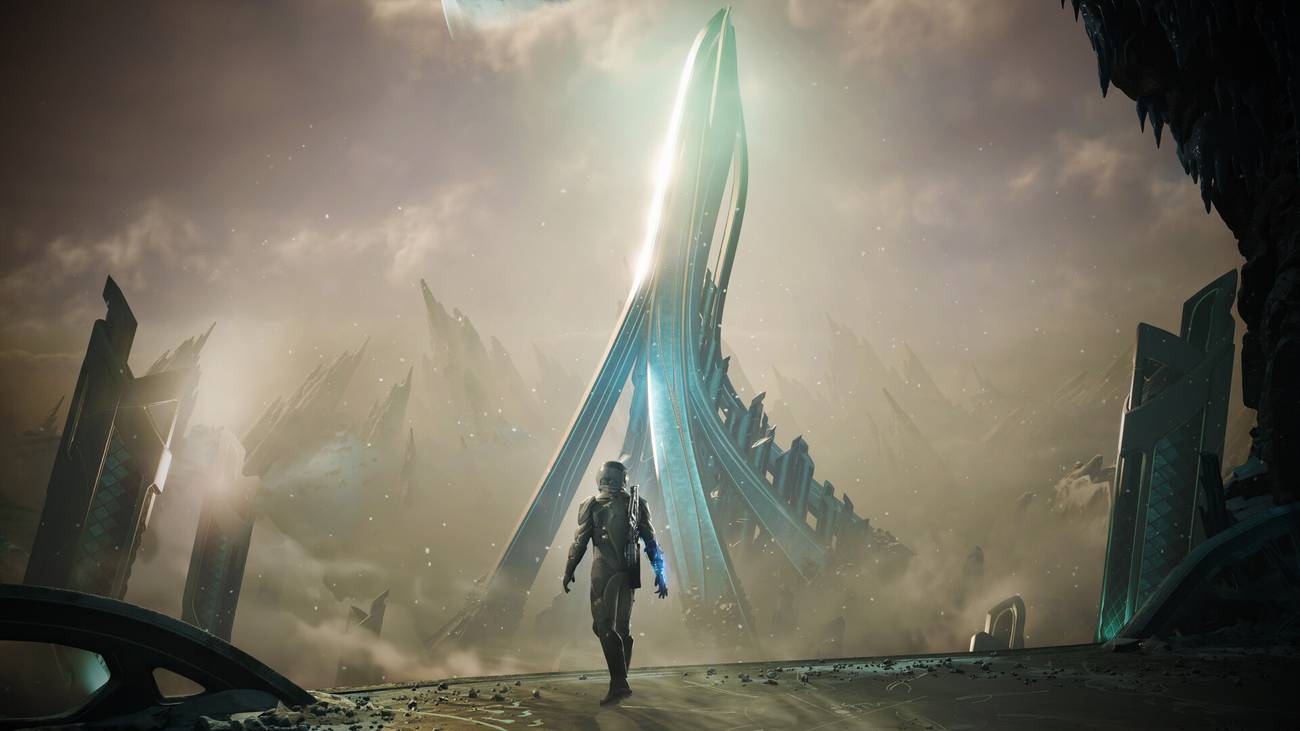
The more interesting part of this design, though, is that it doesn't sound like Archetype settled on it because making Exodus fully open world was simply too much work. Based on what King told me, keeping the game more focused is actually part of a much larger philosophy about what the team does and doesn't want this RPG to become. When I asked him about one convention players might expect from a modern RPG that Archetype deliberately left out of Exodus, King immediately went to the idea that RPGs have to keep getting bigger:

سەرچاوەی فەرمی بە زمانی ئینگلیزی: https://gamerant.com/exodus-open-world-rpg-wide-linear-missions/