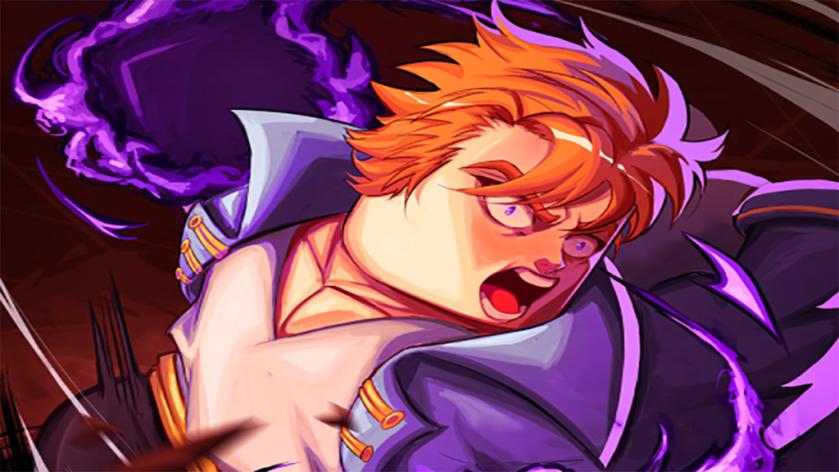


Valorant is one of the few FPS games to survive the shooter apocalypse we've seen in recent years. Here's how Riot's kept its game alive.


I've never been there on 'day one.' Overwatch; League of Legends; World of Warcraft - all games that I've joined in on further down the line; communities I've assimilated into, not always been a part of. I wasn't there when Wrath of the Lich King dropped, or when Twisted Fate had a global ultimate as a random ability in League. I wasn't there when Overwatch won its Game Award, or when the Cataclysm sundered Azeroth. I was there, however, when Valorant released. For once in my life, I'm an 'OG.'
Valorant was my first ever 'assignment' in the videogames industry. I spent day after day trawling through video clips for social media posts, keeping up with every patch note. But, moreover, it consumed my every waking moment - I'd finish up work, play Valorant. Write my university essay, play Valorant. In some ways it was just as addictive as League of Legends, but I knew, in my heart of hearts, I'd been there from the start. That's a special type of feeling.
Watching Valorant grow from relative infancy to the seminal FPS game that it is today has been fascinating, especially in an ecosystem as fragile as our current one. I remember the good ol' days of Valorant First Strike, the game's first ever esports tournament. I remember when OG Jett could Updraft twice; when Viper had two Snake Bite grenades instead of one. I've had the pleasure of watching Valorant evolve into what it is today; a multiplayer powerhouse that, while not without its issues, has cemented itself as one of the most innovative, fast-paced shooters of all time.

Valorant, if you haven't played it, is a mashup of Counter-Strike's tactical, site-take-focused gameplay, melded with the hero shooter feel of Overwatch. You can purchase weapons from a set arsenal of guns, and choose your specific Agents, each of which have their own, unique abilities. Agents are split into four categories - the aggressive Duelists, space-managing Sentinels, site-taking Initiators, and zoning Controllers (think Smokers from CS). As a team of five, you either have to take down your foes and plant the Spike, or ward off the enemies from taking your site. It's relatively simple - in theory.
You could argue that, on paper, Valorant isn't anything new; as I said, it's a medley of Overwatch and Counter-Strike. The key here is that it appeared at exactly the right time. 2020 was the relative calm before the CS2 and Overwatch 2 storm - neither game was in particular decline, but things were relatively quiet. Valorant - a new Riot game - burst onto the scene with a shiny new premise, slick visuals, and heavily competitive, easily 'esportable' gameplay. It picked its moment perfectly.
Despite the launch of Overwatch 2 - which, for many, failed to really achieve what it set out to - and Counter-Strike 2 later down the line, Valorant has endured. While Riot doesn't share player statistics, getting into a match is quick, and the recent London Masters broke viewership records for being the game's most-watched esports event to date, beating out Counter-Strike's Cologne Major, which ran parallel to it. Where the likes of XDefiant, Concord, and others have failed, Valorant has stood - and continues to stand - on its own two feet. It's impressive; particularly in a world where online multiplayer games feel like they're quickly going out of fashion.
There's reasons for that, though. First off, Valorant's rollout of new content - be it new modes, maps, Agents, or, very occasionally, a new weapon - has remained consistent. From the original ten-Agent roster (11 counting Reyna), there are now 29 characters to choose from - that's 18 new characters over the course of six years. Three Agents per year has worked well - it doesn't oversaturate, and it gives Riot time to balance things out a bit. It's enough to keep you excited and to bring you back for that next patch, but it's not enough to swell the roster to the point of bloat.
سەرچاوەی فەرمی بە زمانی ئینگلیزی: https://www.pcgamesn.com/valorant/state-of-the-game-2026