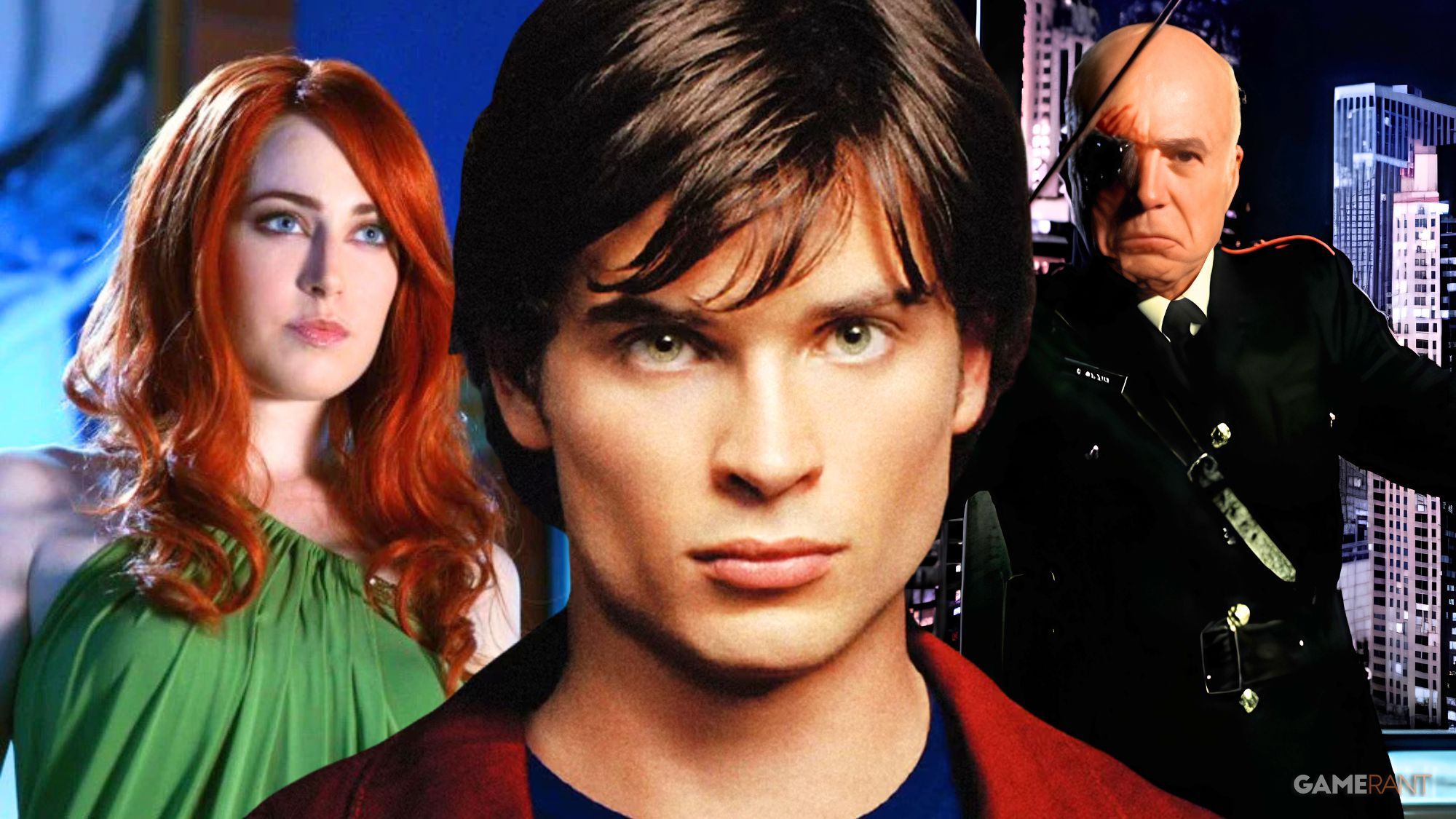
Smallville lasted for an incomparable 10 seasons and 217 episodes, and it changed massively throughout its run. For its first few seasons, kicking off in 2001, the show was highly episodic, as Tom Welling's teenage Clark Kent fought against one-and-done "meteor freaks" each and every week. By the end of its final season in 2011, however, Smallville had evolved into a much more ambitious enterprise that ended up pitting Clark against some of the most significant supervillains from DC lore.
Characters such as Brainiac, Zod, Bizarro, Doomsday, and even Darkseid served as the big bads of Smallville's later seasons, with various other familiar names from Superman's rogues' gallery playing key recurring roles on the show, such as Metallo, Toyman, and Morgan Edge. And yet there are many DC villains who also appeared in Smallville that even die-hard fans may have forgotten about, either because they only appeared in one episode or because the show took so much creative license in adapting them for the screen. Still, Smallville deserves credit for giving many of these characters their big breaks in live-action.
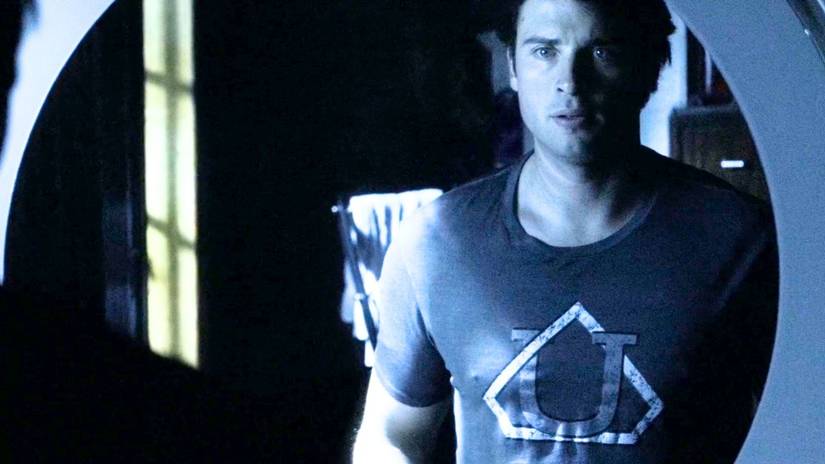
Smallville went on so long that it eventually meddled with the multiverse. In Season 10's "Luthor," a mishap with a Kryptonian "mirror box" causes Clark to swap places with a variant of himself from another universe, which he dubs Earth-2. On Earth-2, Clark was not adopted by the Kents but the Luthors and so became cruel and power-hungry. To his horror, regular Clark discovers his doppelganger uses his powers for evil and goes by the name Ultraman.
It's a classic example of Smallville's weird insistence on its own "no tights, no flights" rule that it introduced the evil Ultraman before Clark is ever called Superman. Like the Ultraman of 2025's Superman movie, this isn't a strict adaptation of the comic book version, but the Luthor adoption backstory is honestly a smarter, more interesting one than Ultraman has in the comics.
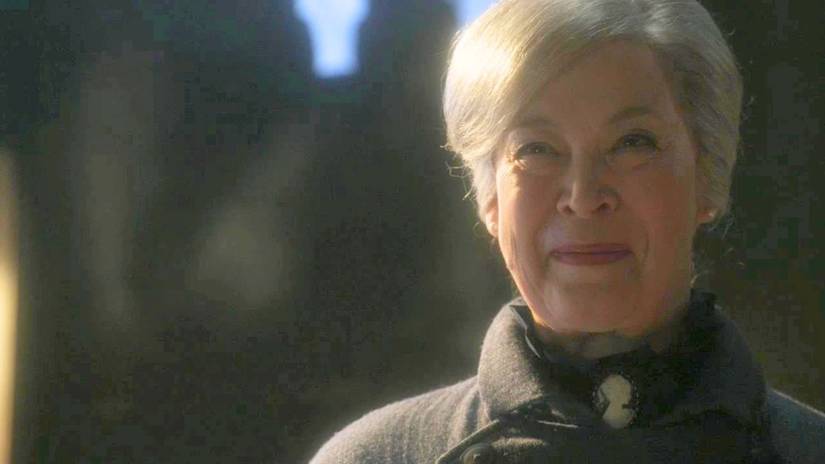
One of the biggest surprises for DC fans about Smallville Season 10 is that it didn't just include Darkseid, but it also did its best to tackle the wider cast of Fourth World characters from the comics. The show didn't exactly adapt them faithfully, but at least the attempt was there. Many of Darkseid's minions appear in the season, for instance, with Glorious Godfrey and Desaad putting in appearances. The one who makes the biggest impact, though, has to be Granny Goodness.
Traditionally, Granny is a native of Darkseid's homeworld of Apokolips, but in Smallville she is a human woman corrupted by Darkseid's influence. Other than that, though, she is a surprisingly faithful adaptation; just like in the comics, she brainwashes young women into serving as her Female Furies. Actor Christine Willes brings a real commanding, sinister energy to the character. Outside of a background cameo in Zack Snyder's Justice League, this remains Granny Goodness' only live-action appearance to date.
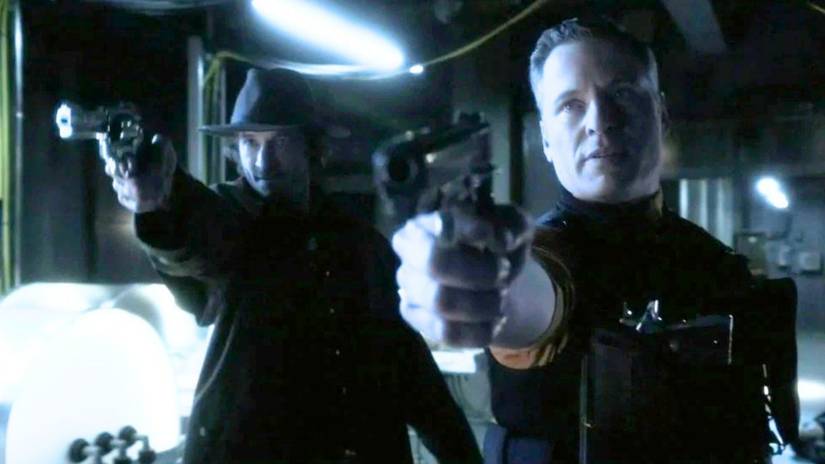
The Suicide Squad has risen up as one of DC's most bankable properties over the past decade, with Task Force X starring in everything from blockbuster movies to isekai anime. Smallville tackled the Squad before it was cool, though, when the group played an important role in Season 10. As led by Rick Flag, the Squad's roster included Deadshot, Plastique, and Warp.
Initially foreshadowed by Amanda Waller (yes, she was in Smallville, too) in Season 9, it's revealed in Season 10 that Flag has gone rogue and is now commanding the Squad as part of his violent resistance to the Vigilante Registration Act, a political movement that has led to the persecution of the superhero/metahuman community. Unfortunately, due to its small roster and role in service to a larger storyline, Smallville's Suicide Squad failed to make much of an impact.
سەرچاوەی فەرمی بە زمانی ئینگلیزی: https://gamerant.com/dc-villains-forgot-appeared-smallville/