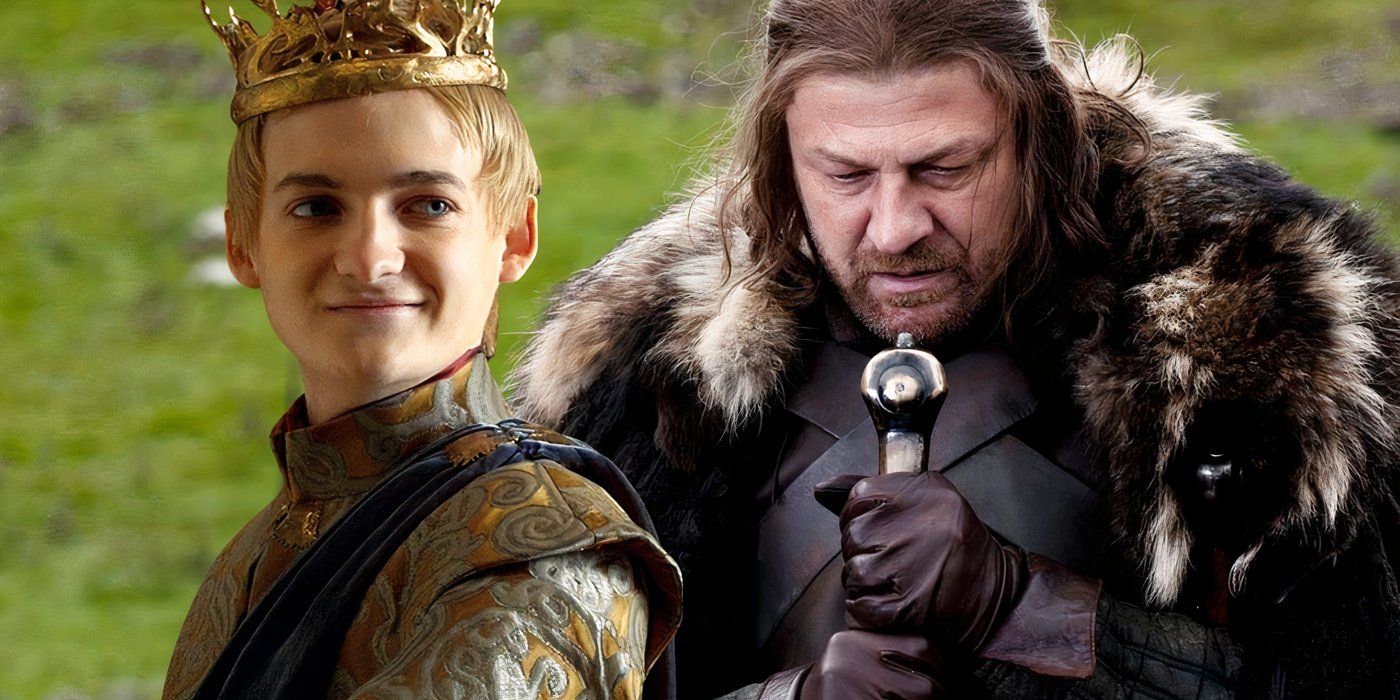
Over its eight seasons, Game of Thrones gained a reputation for subverting expectations. Both the HBO show and George R. R. Martin's books introduced familiar archetypes of the fantasy genre: noble kings, honorable knights, and exiled royalty, only to turn them on their heads. Ned Stark initially appears to be Game of Thrones's traditional fantasy hero and main character, only for the story to abruptly and brutally remind us that this isn't that kind of story.
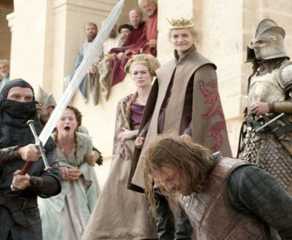
Ned Stark's execution is perhaps the most game-changing moment of Game of Thrones, and for good reason. After uncovering Cersei and Jaime Lannister's big secret, Ned attempts to take his evidence to King Robert Baratheon. However, when Robert is killed, Ned finds himself betrayed by supposed allies; his loyal men are slaughtered, and he is condemned as a traitor. But why was his death included so early on?
It's tempting to look at Ned's downfall and conclude that he was just too gullible to survive at King's Landing, and there is some truth to this. He was woefully ill-equipped to navigate the nest of vipers that was the Small Council, but he also suffered from some spectacularly bad luck. When he had uncovered Cersei's secret, that she and her brother Jaime were in an incestuous relationship, he realized Joffrey was an illegitimate child with no claim to the throne. The Lannisters then plotted to kill King Robert, and while it might've seemed like a bizarre assassination attempt, it somehow succeeded. Cersei did whatever it took to protect her incestuous secret and get her child onto the Iron Throne.
Cersei Lannister had her cousin, Lancel, serve King Robert fortified wine during a royal hunt, knowing Robert liked to wait until a boar was about to strike before killing it. Robert was ultimately too drunk to defend himself, and the boar killed him in Season 1, Episode 7. Grand Maester Pyrelle then sped up Robert's untimely death before the king could change the kingdom's rules.
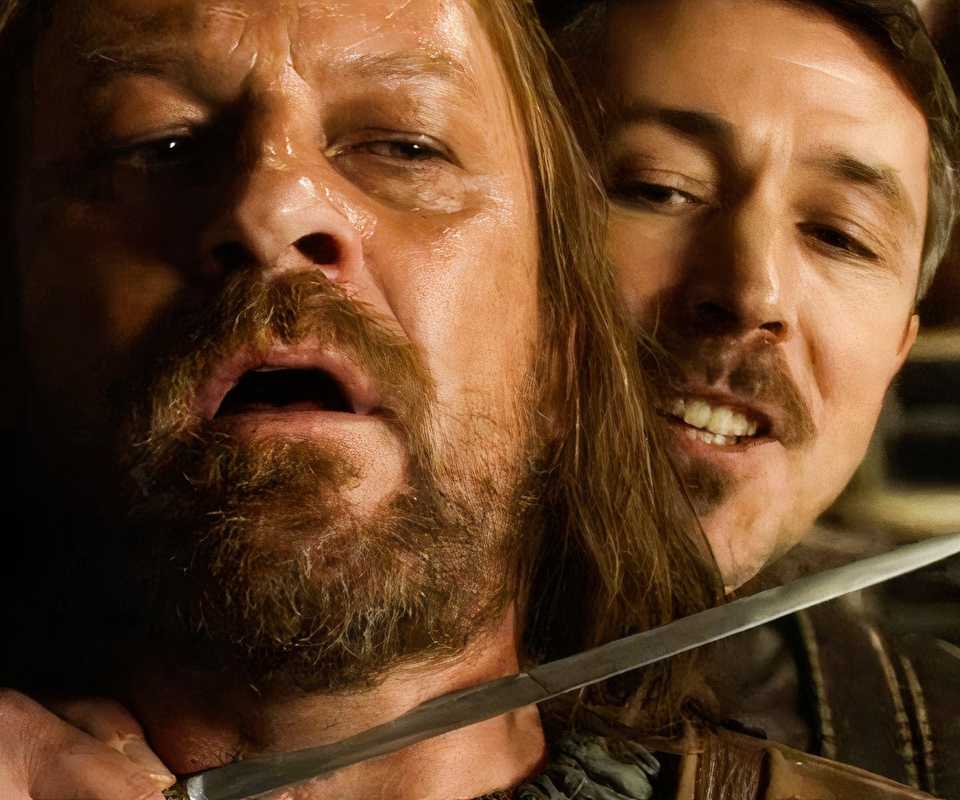
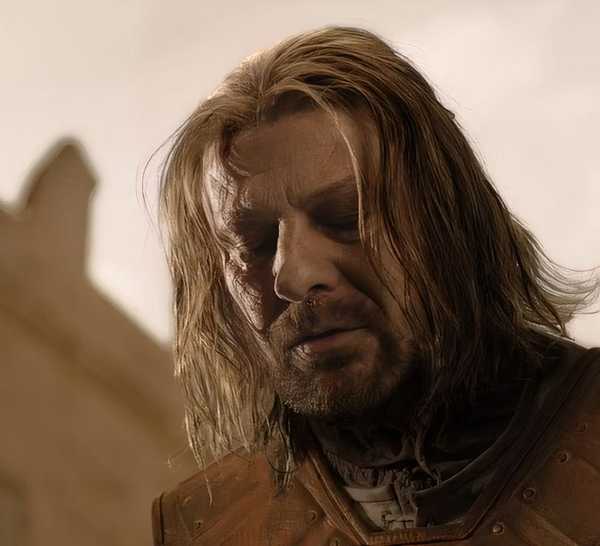
After Robert's death, Ned then dismissed his instinctive suspicions of Petyr Baelish because Catelyn assured him that Littlefinger could be trusted. Instead of backing him in securing the City Watch and arresting Cersei, Littlefinger betrayed him and sided with the Lannisters. When the Gold Cloaks turned on him, Varys advised Ned to falsely confess to treason to save his daughter's life. Instead of exiling him, though, King Joffrey ordered Sir Ilyn Payne to take his head. Ned dies in Season 1, Episode 9.
Ned makes mistakes for sure, but he is also defeated by circumstances that he could never have reasonably anticipated. His tragedy isn't just that he fails to understand the political game, it's that he enters it with a reasonable plan and finds himself defeated by opponents willing to cheat, lie, and murder to achieve their goals. Ned adheres to a moral code that serves him well in the North, but King's Landing is a drastically different environment, which turns his virtues into liabilities.
This is an important distinction, because the episode on Ned's death isn't a lesson in how honor is foolish, it just demonstrates that honor alone isn't enough. Ned does what he believes is right even when it is politically dangerous, while those around him would abandon all of their principles if it proved advantageous for them. Even his final gambit; a specific bit of wording in Robert's will, is nothing more than "a paper shield," as Cersei puts it, just before she rips the document into pieces.
Outside the story, though, Ned had to die precisely because he's the closest thing the show has to a traditional fantasy hero. He's noble, brave, and honorable, and he possesses an unwavering set of moral values. If fans look at who replaces him in the following books, they'll notice Stannis Baratheon has the same sense of justice, but he is thin-skinned, irritable, and humorless. Tyrion Lannister has a moral backbone but doesn't have Ned's noble bearing and adherence to the rules. Jon Snow, perhaps Ned's most obvious successor, is a low-status outsider without the Stark name to support him, and he's much too stubborn and idealistic for any kind of political environment.
سەرچاوەی فەرمی بە زمانی ئینگلیزی: https://gamerant.com/ned-stark-death-explained-game-of-thrones/